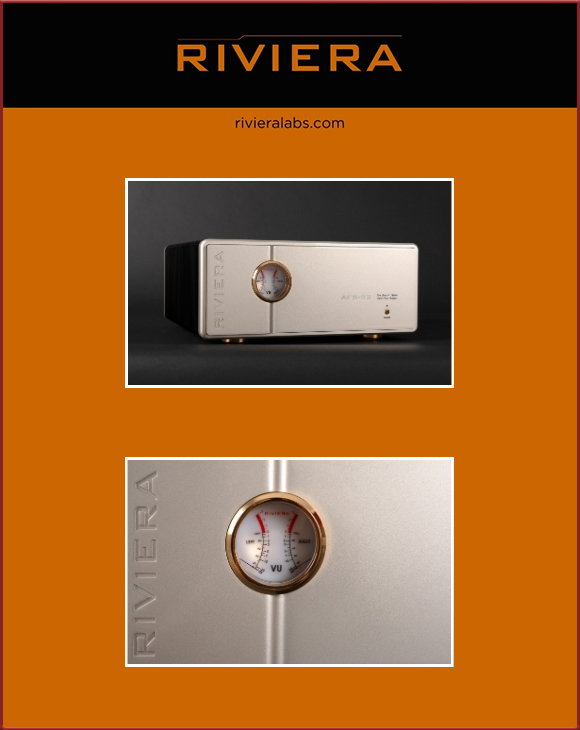
Here we see the filters' behaviour over time where 'bypass' exhibits some noise.
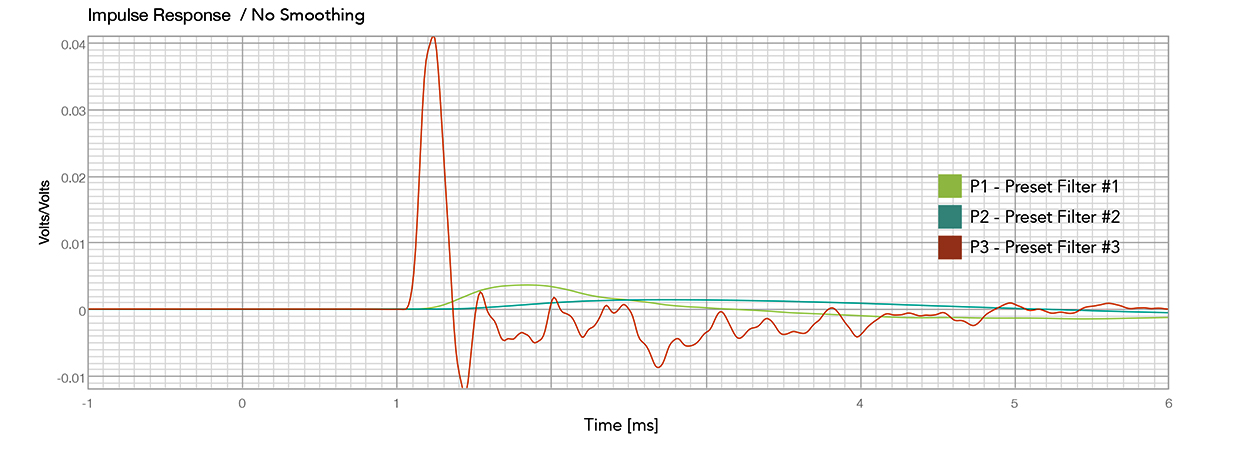
"Zooming in and normalizing each trace shows the filter transforms and impact on latency. P2 shows 0.08ms of latency, P1 0.24ms. For the majority of careful listeners, the 'tipping point' for latency is usually around 2ms of delay."
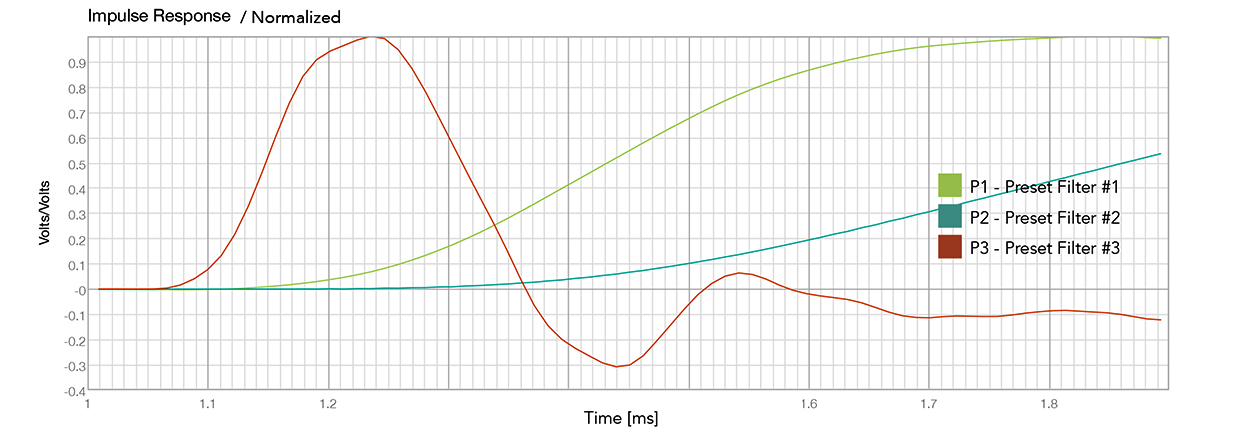
Then comes our footer selection. Prefer short soft-nosed aluminium nubs; long flat footers on swivels; or thick rubber? To float my bass games off the floor not sink them into it, I opted for rubber. Simply reappropriate the nubs to mount.
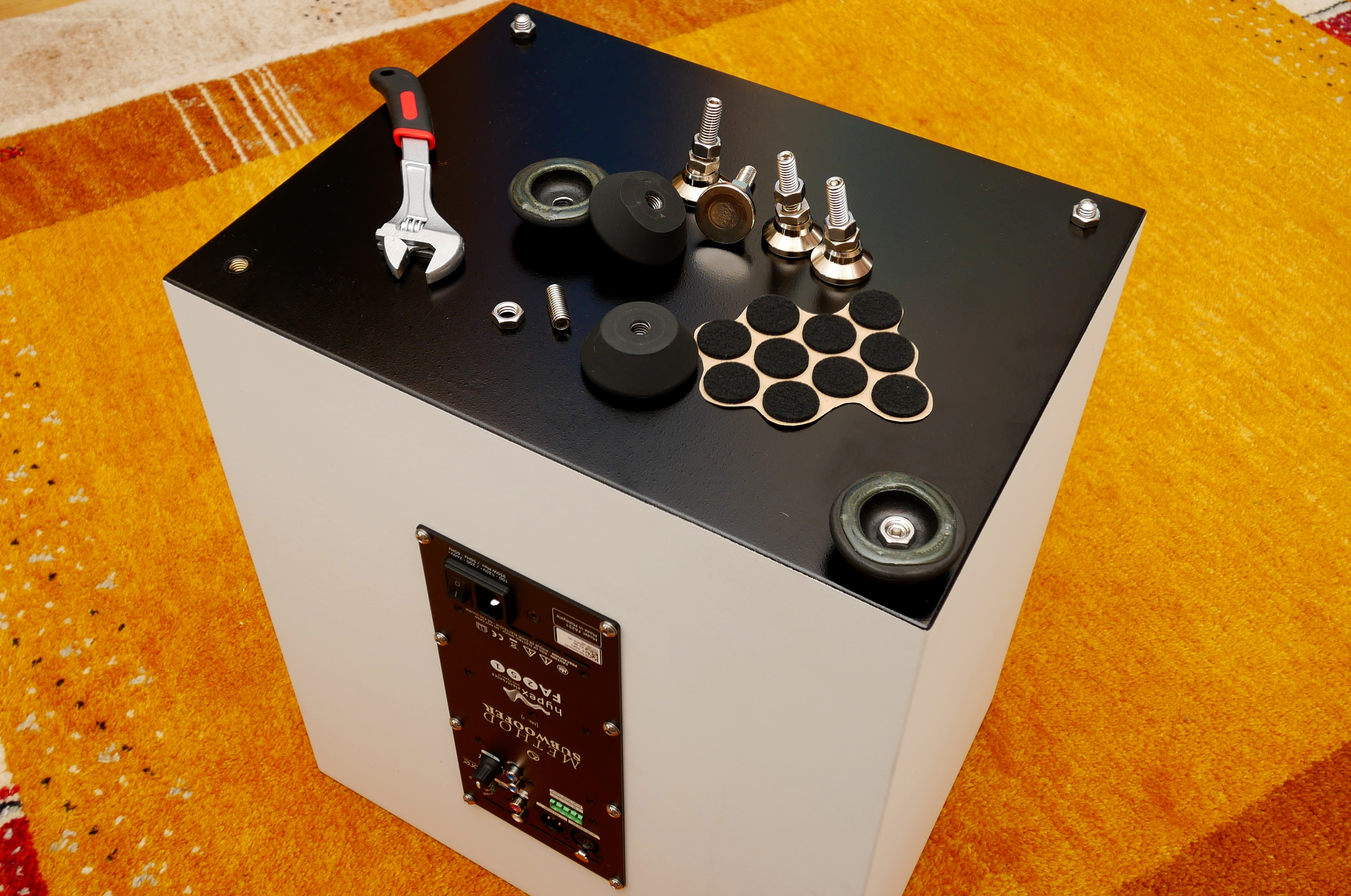












Next the real-estate game of location, location, location. Going with an approximate sidewall option to look more family-friendly, I just had to plug in a power cord then run an interconnect off my big Lifesaver Audio icOn 4Pro SE Edition's RCA output to experience P1 and P2. For P3, a longer RCA interconnect tapped my analogue crossover's low-pass outputs instead. No fuss or cuss, no hum. The 2.1 method was off to a proper start.
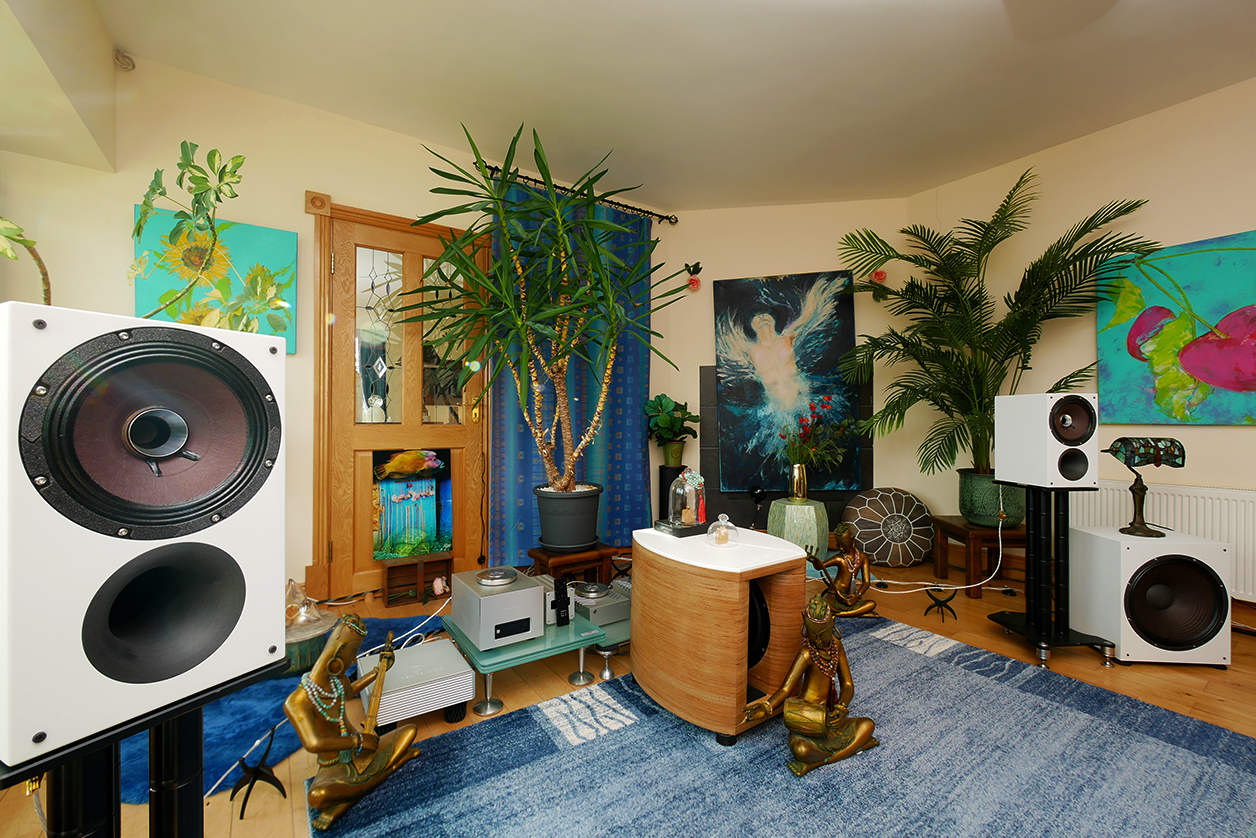
To frame what follows, my ideal bass textures are as consistent with the mid/upper bands as feasible. Premium open true-ribbon headphones show that way. They eliminate the room, chamber resonance and energy storage. Rather than pear-shaped so ringy and resonant in the bottom and ever leaner/cleaner with ascending frequencies, they show recorded textures to be far more linear. Their bass stops when it should. It doesn't haphazardly snooker around a room for late reflections whilst riding resonant modes. Hence my solution of cardioid bass combined with active bass traps in the front corners. Working my way from 1st to 2nd-order low pass whilst the Method monitors ran unfiltered then 4th-order with a mirrored high pass on the mains, textures cleaned up in obvious steps. Muting the mains confirmed it. On the shallowest slope, the sub played far too high. Its beyond-bass elements betrayed a hollow quality. Bleeding that hollow overlap into the mains on just one channel created obvious bloom and fuzz; what most hifi chat calls warmth. If that's your p/reference, P1 could be your setting. P2 diminished but didn't eliminate the effect. The cleanest most consistent textural continuance from monitor to sub had it come in steepest. I ended up with my 4th-order Linkwitz-Riley filter at 50Hz. This still had the sub on the far right equidistant with the chair. Would moving it into the middle minimize the injected blur/bloom on the shallower preset transitions?
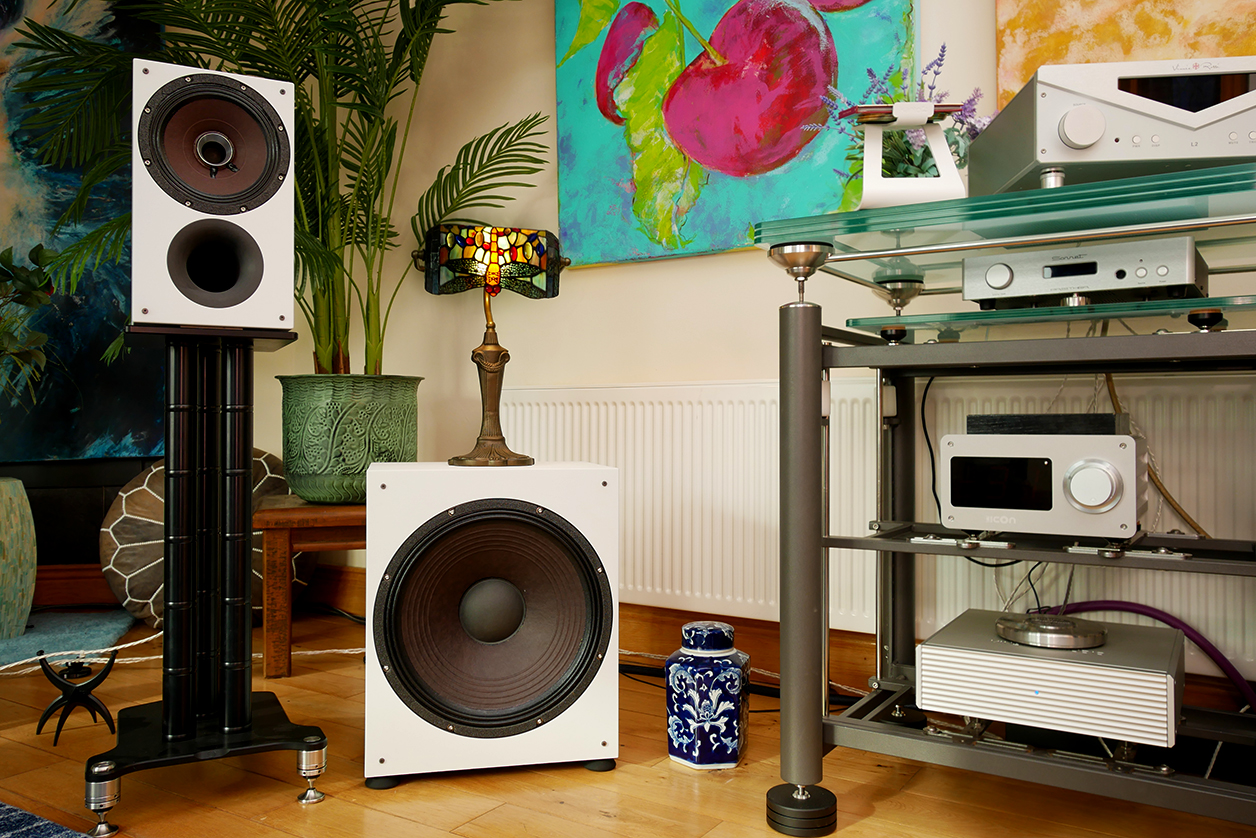
A bit. Perhaps it was due to disguising the out-of-band addition in a single channel? Or was my room response more even in the middle spot?