If you thought I overplayed the domesticated hand, the difference a plain white grill makes when one opts for the high white-cab/black-driver contrast is stark. See for yourself.
With a simple cover-up, this Zu goes new places. This mirrors in sonic qualities which to the established brand base should add new fans. Another commentator called Method bright. If we call the DWX linear, Method's increased HF resolution and energy recovery are more lit up. To everyone thinking the DWX darkish/warm, Method normalizes its tuning. It creates greater separation though compared to the 6" Purifi driver in my desktop actives, Method's 8" mid/woofer still came in a far second on raw resolution. The equally obvious flipside were Method's fleshier tone density and twitchier dynamic flicker wedded to mass. Against those values my active boxes played it lighter, airier, quicker, more focused, small and lean. Zu's signature meatiness made for decisive differences; the exact offset brand fans celebrate. I doubt that most of them will react to the new driver's superior top end and its tweeter's earlier entry poorly. It's those who previously shunned the brand because their love of string quartets needed less muscle and more finesse who now will smile more. Method veers a bit in their direction without leaving the Zu reservation. That balancing act is the gist. If one arrives from modern sound, Method's otherness is somewhat less than the brand's more vintage models with the bigger driver. And unlike Zu's stumpy floorstanders which can aim too low, Method on a stand puts us in control of aligning the coax's central axis with our ears.











Sean was always adamant. His Griewe loading isn't classic porting despite Stereophile's measurements showing standard twin peaks in the impedance plot. But Griewe has no resonator tubes. Hence such models never descended as low as their driver/s and cab size suggested. Method meanwhile ports to go lower with more dynamic exuberance than it would grieving. In my room the upshot was an unexpectedly boisterous 40-ish. Whilst textures were looser than sealed alignments, they nicely complimented the chunky flair which lustily scaled up with SPL for crass contrast to the generic blandness of the grill-bearing facades. This was anything but generic sound. Whilst familiarity with 25Hz from active subs knew what remained untapped, listening satisfaction tapped fully. Many small speakers are all detail and reflex but light on substance and grunt. Without the gravitational counter force of an add-on sub, they don't feel grounded. Method had no such floating in the airs. Despite lacking the bottom octave, it grounded properly. Many shoppers won't think 2.1 but happily drop anchor in classic stereo 2.0. "You're grounded" rarely felt this good.
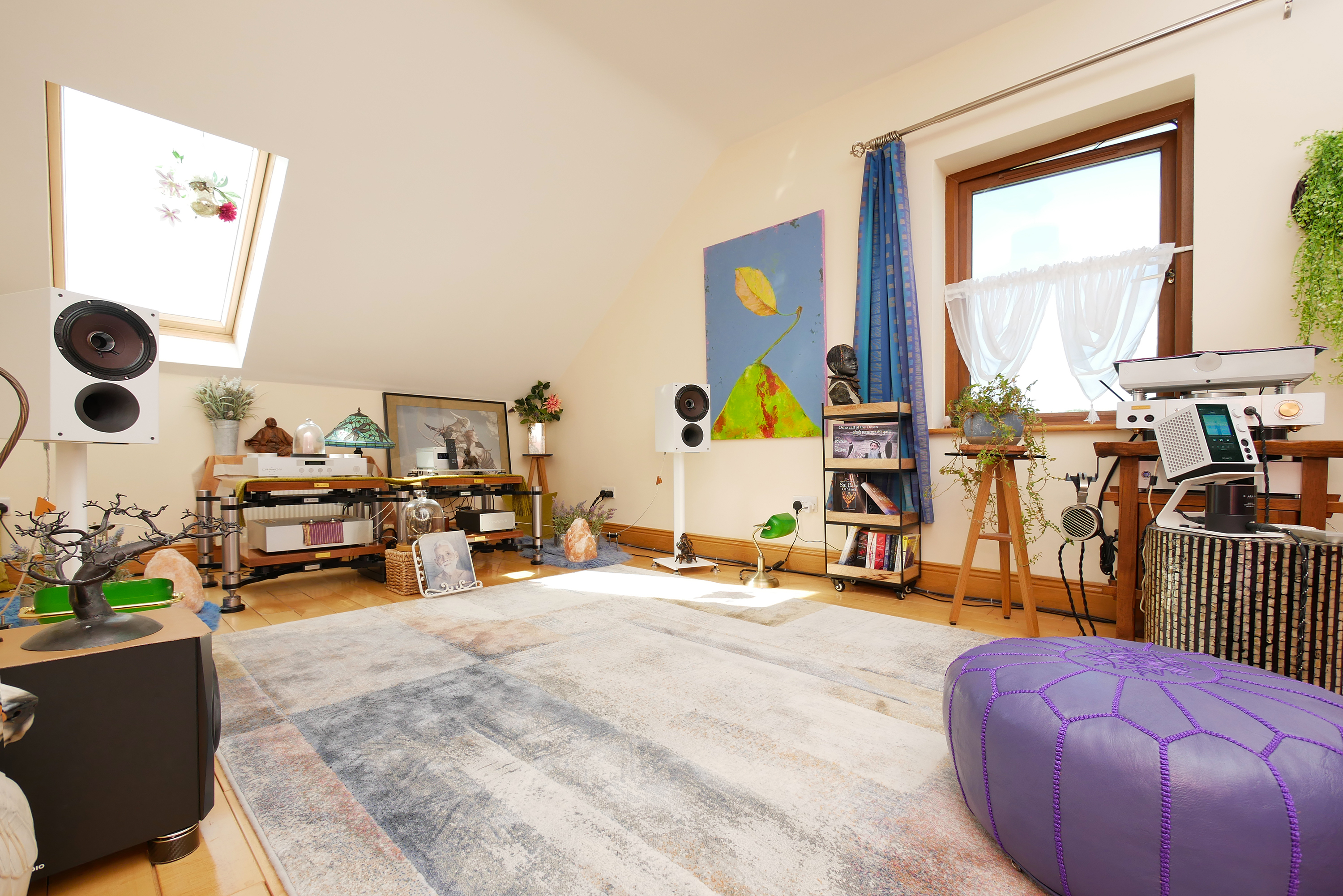
If Method's project brief was recognizable Zu sound from a tidier box, mission accomplished. A side benefit of shrinking its widebander by ~2" and mixing in its throat tweeter sooner is more illumination across the wider presence band. It smiles at those who do much unplugged acoustic music including classical whose core values differ from amplified live music. The former is leaner, airier and more overtone specific, the latter louder, bassier, thicker, of bigger looser imaging and fatter tone. That too is the signature Zu gestalt. It remains in play tweaked just a bit closer to the acoustic side. It gives the brand's house sound a lift with a new lick of paint. Same building, 'hood and views, subtly more modern styling. That nutshells the basics. To crack them in more detail, let's first return to the desktop.