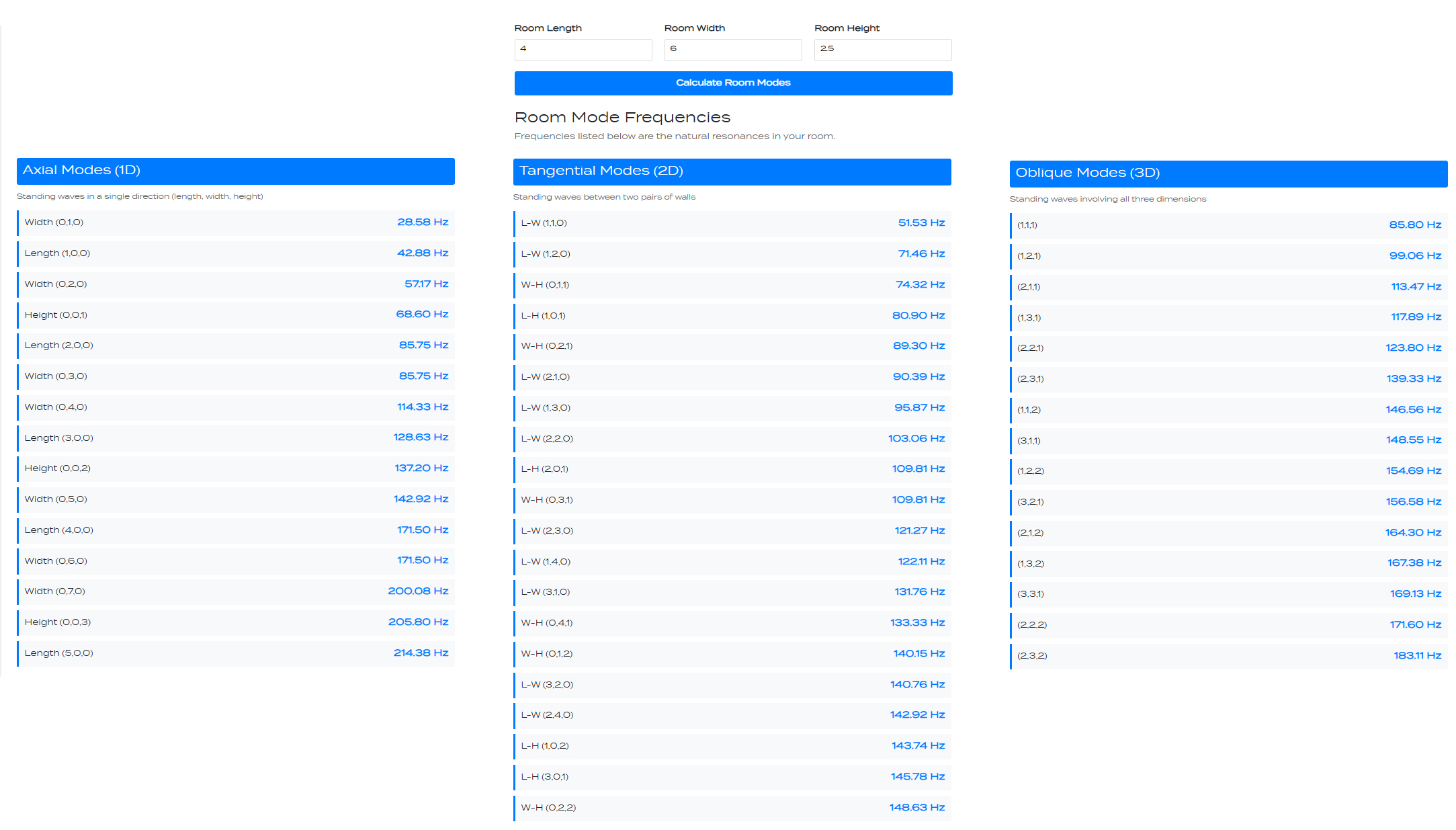
 AI Gemini tells us that the approximate baffle-step centre frequency of a 42cm wide baffle is 276Hz. This represent the -3dB transition point between hemispherical forward or 2π/half-space radiation; and 4π/full-space omni. Given Supernova's dipole nature, it's theoretically also where the woofers' counter-phase cancellation starts. It sits nicely above the 140Hz to 200Hz Schroeder frequency of a stand-in 4x6m room with 2.5m ceiling so 60m³ volume. The Schroeder frequency is where a room's acoustic behaviour changes from its modal zone below to the diffuse/reverberant zone above. In the modal zone, low frequencies create those distinct standing-wave peaks we call boom, bloom or ringing whose frequencies are based on our primary 4m, 6m and 2.5m room dimensions. Diminishing the amount of reflective acoustic energy we sink into this modal zone acts as partial room treatment. We mustn't absorb excess LF with colossal bass traps if we don't generate as much ricocheting bass mud in the first place. This is a signature benefit of dipole bass. Its road tax is loss of free room gain and the 6dB/octave acoustic roll-off below the baffle step to reduce efficiency and need large excursions from big cone surfaces. No free lunches. However, with Supernova our room's complete modal bandwidth should fall inside its figure-8 cancellation pattern. That means maximally effective dipole room 'treatment'. For a closer look at the modal mess our speakers make below the Schroeder frequency, sites like jhbrandt can spit out all the details after we enter our three primary dimensions into its room-mode calculator as shown. Note how pretty much all of it falls below 200Hz. For a bigger view, click the image to open in a new window.
August 11th. During a phone call on another matter, I learnt that Supernova had completed. My samples would arrive soon. As suspected all along, Greg is afflicted by Oscar Wilde syndrome. "I'm a man of simple tastes. The best is good enough." Though at the onset of the OB project he had a certain sell target in mind, pursuing the ultimate from the platform's final drivers soon tossed out budgetary limits. "If a certain capacitor sounds way better, I simply cannot use something inferior just because it's cheaper." Asked about final weight, I was told to expect ~50kg/ea. To be delivered on a half pallet because of the speakers' negligible depth, the plinths would arrive mounted on castors to roll right out. Once in their final resting place four feet above ground, included sets of 3D-printed Vibron XL isolators could replace them. Grzegorz didn't pursue high efficiency to not compromise bass performance. It's also why his woofers cross at ~150Hz not higher. As to the hot-swappable dress panels, they are painted MDF. This opens doors to custom colours. Black or white are standard. I'd get my usual white. With the old rule that perception rules, Greg too was happy with Supernova.
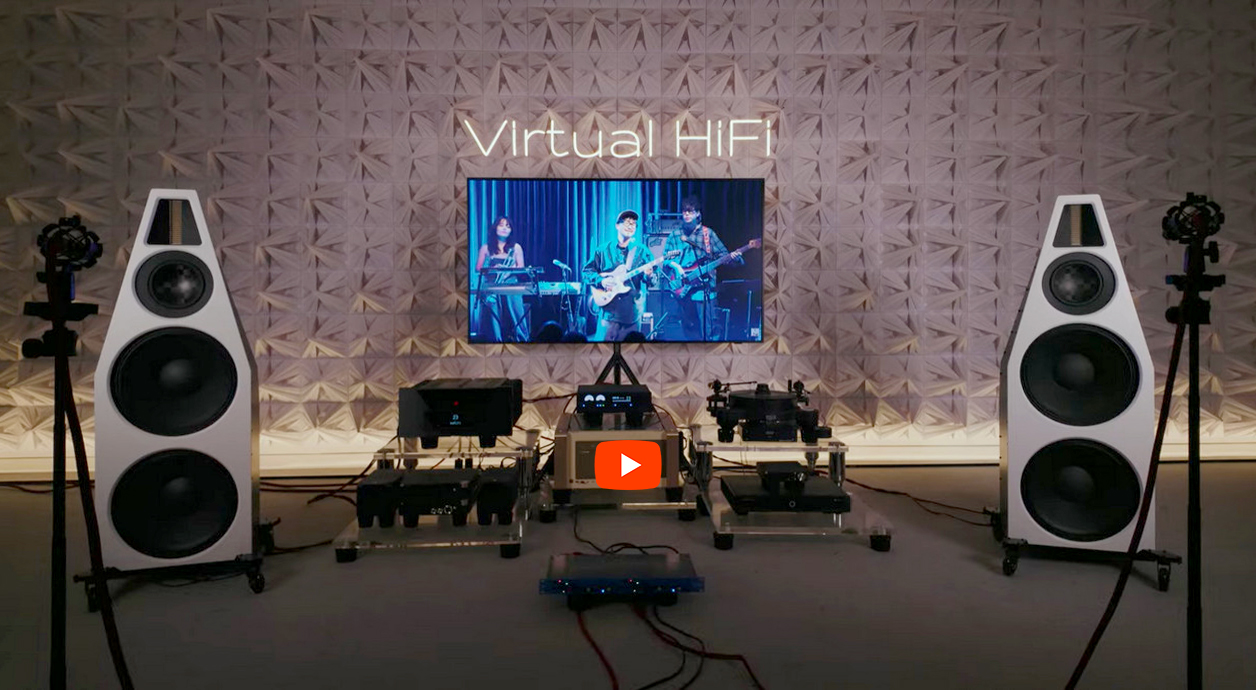
"Because I sell direct, most clients don't believe that Viper and Cobra can really do exceptional bandwidth. They only see compact monitors to flash on what they've heard from that genre in a store. To convince them that mine are very different really wants an active demo beyond my YouTube videos. Other than shows or my own studio, that would imply dealer sales so far higher prices. With Supernova, expectations based on looks will finally match up. That's unless one is already an open-baffle expert. Then one will still underestimate what these open-backed 15" woofers can finally do. In my room I measure Supernova good to 22Hz!" Did this mean serious baffle-step compensation? "None. My performance comes purely from harnessing the energy release in the crossover; strategic loading by side rails; and truly exceptional woofers. But I do have a frequency response that tilts up linearly in the LF to give the desired in-room response. Click on the next image for my first YouTube video of Supernova."





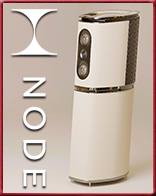

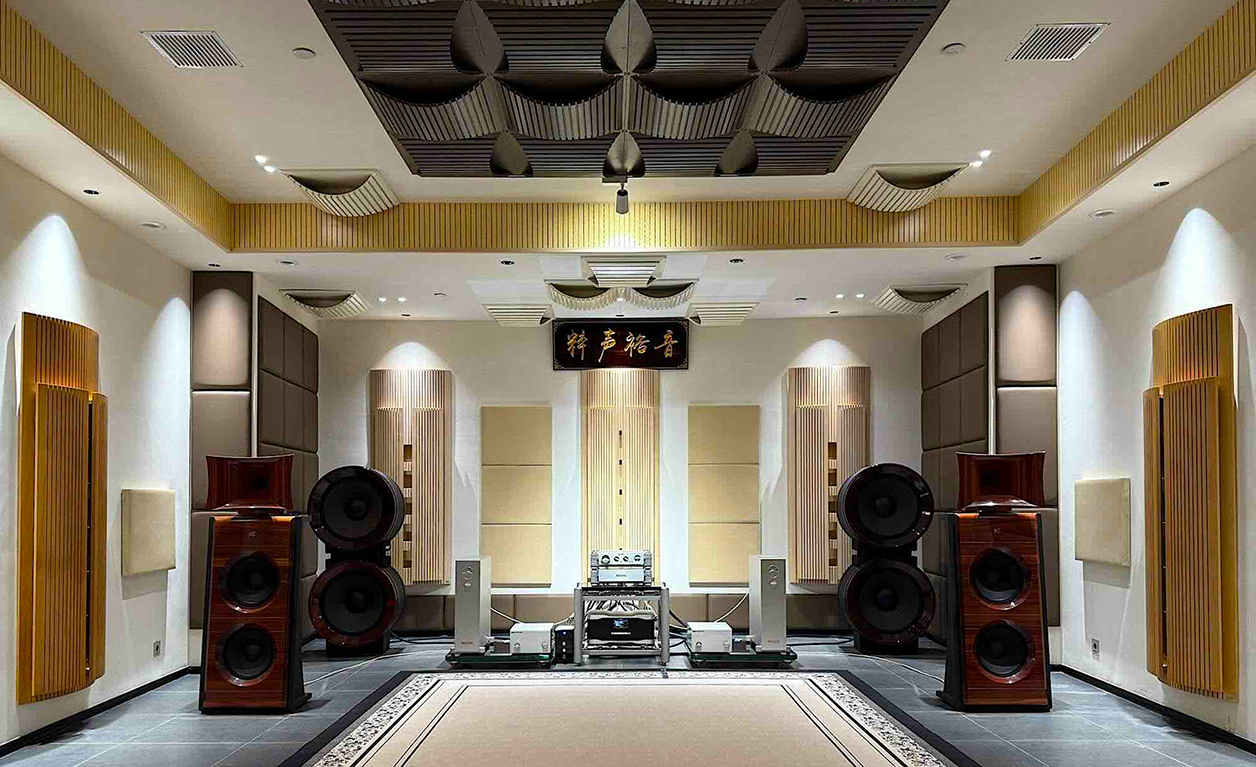
On a parallel ascent up Mount Dipole Bass by way of Italy then China, next we see how the Diesis Audio importer Forthwise Audio of Hong Kong combined four of the brand's Bonham Tribute subs each with a 21"/53cm woofer with their Roma Triode open baffles which themselves use 2×15" woofers per side. Without subs, their quoted in-room response is 27Hz -3dB against colossal claimed sensitivity of 98.5dB/2.83V/m. We're reminded. Filling a minor ballroom with dipole bass does require serious cone area to hit the limits of human extension. This begs a reminder invoice from Cap'n Obvious. A top-quality ported 10" woofer with room gain might hit a convincing 25Hz. On raw extension it accomplishes more with less. It's once we shift attention onto dynamics and tactile feel that the air motion of open-backed twin 15ers registers; and most obviously diverges from 25Hz headfi or unusually hung monitors of the active sort. It's the yap of small-woofer bass vs the real growl of the big dogs. It's hifi's occasion of no replacement for displacement. It's about physical stimulation beyond mere bandwidth satisfaction at the ears. Calling it bassy typically implies unnaturally goosed amplitude. But what if the physicality of low frequencies was simply more oceanic than pond-like whilst loudness remained linear? Would you still call that bassy; or the small-woofer'd opposition anaemic? That's no question for the Cap'n to answer. That's entirely your call.
"As requested, two photos of the crossover and back of the speakers."
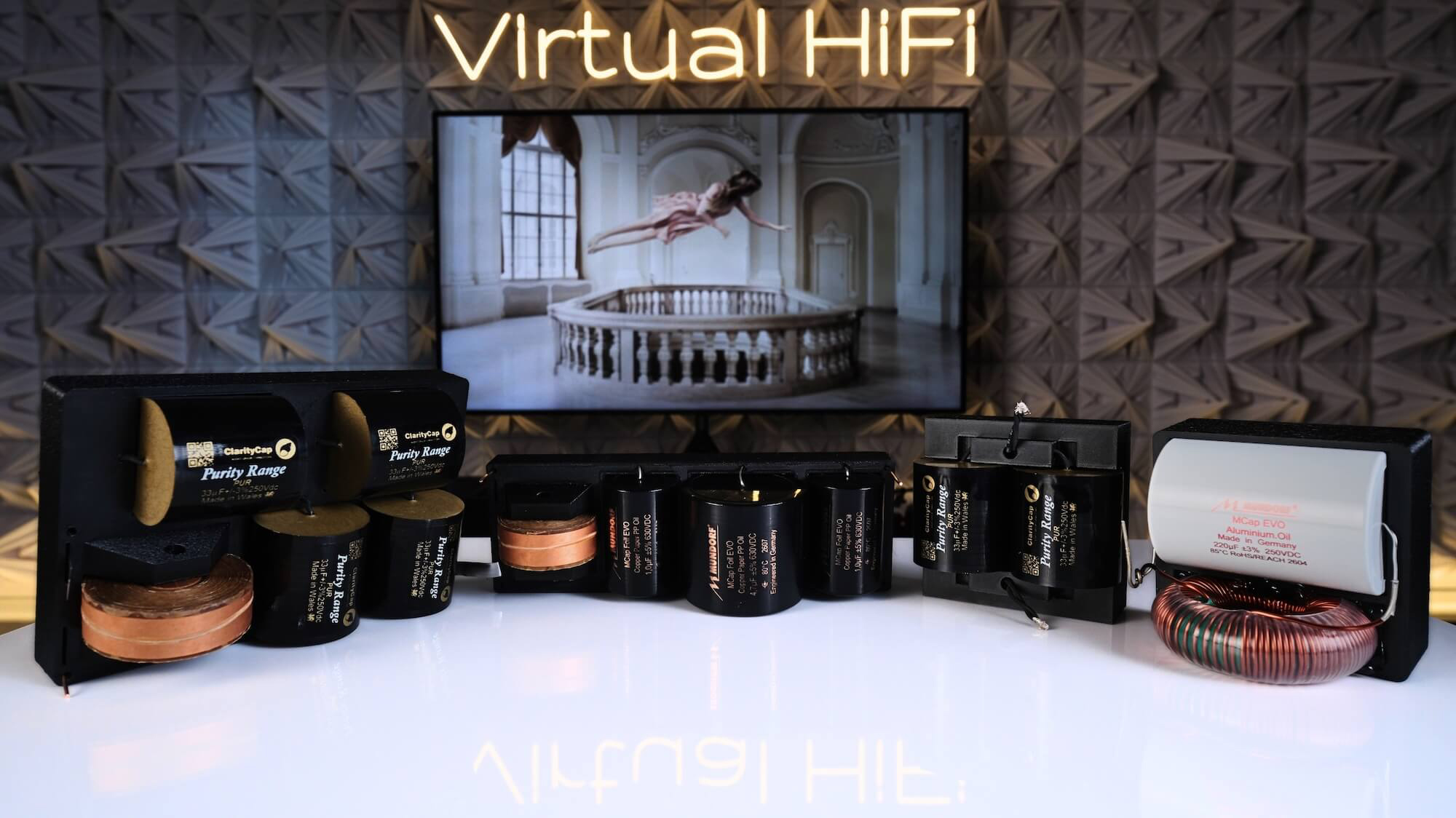 A quite literal money shot of the 13-part crossover per speaker.
"Because of Supernova's industrial tech DNA and open back, the crossover remains a visible part. Its components are world class so there's plenty to show off. I chose to highlight it while hiding the parts connections inside these 3D-printed holders. Since I didn't initially anticipate so many filter elements—I ended up with a dozen PUR ClarityCaps per pair alone—the parts place on the sides and bottom of the speakers."
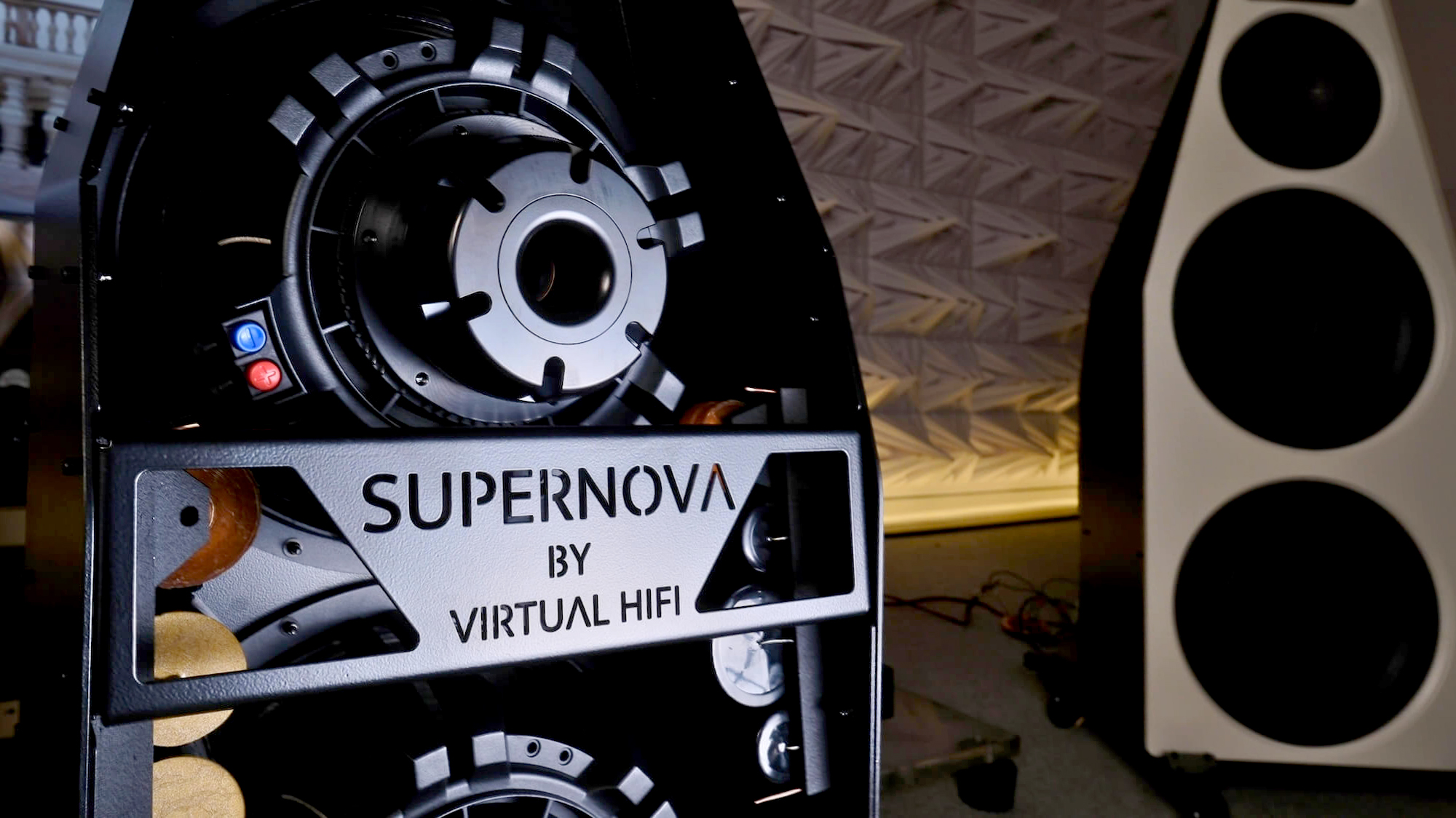 Serious big-dog woofage.
"Over the last month, the crossover changed slightly. The AMT now cuts via a 2nd-order/~2.5kHz high pass. The TeXtreme midrange has a 1st-order/150Hz high pass and ~2.5kHz/2nd-order low pass. I switched from Jantzen Amber caps to the newest Mundorf Evo copper-foil paper-in-oil capacitors which complement their Mundorf AMT beautifully. Sensitivity is ~89-90dB/4Ω." Now an important disclaimer. Though I'm not exactly an OB newb, over the decades such backless dates have been few and far. Whilst for my ears it'd mean the usual—they hear what they hear—it would disqualify me from judging Supernova's standing within its genre. Despite Greg's most serious ambitions, only a true OB expert can recognize if and how he eclipses commercial precedents. On that score I'd not be able to do his best effort justice. But what reviewer specializes in dynamic open baffles? They differ from Alsyvox, Clarisys, Diptyque, Lirogon, Magnepan, Quad and Soundlab which are planarmagnetic, ribbon and electrostatic dipoles. If you now wonder what Greg's Oscar Wilde syndrome means for your wallet: €20K/pr incl. VAT. You can do the math if this sold through dealers and distributors. What about buyer's remorse on initial colour choice? "A new set of dress panels starts at €700. This covers real-wood veneers and the NCS palette. Any custom car paints requiring extra layers or steps will get a one-up quote." So starting out all blue and ending up in the pink is no problem. It makes my obsession with white speakers annoyingly unimaginative. You might again think me unimaginative in my reply to an email thread with Serbian OB designer Ivan Đorđević who might have followed the Supernova narrative and hoped for different. Will Greg's industrial asspects clear your household's cosmetic threshold?