The SIT4's contribution to my daily driver's low end created a grander tauter profile of additional ease. That I hadn't seen coming. For reasons I can't quite wrap my head around, the Vox behaved more authoritative, controlled and complete with this 10wpc flea-watt monster than any other amp I've ever tried – and there were many. Even my 55wpc class A monos produce bloomier muddier bass with this load. I don't have to understand how the SIT4 tapped into the Swiss' hidden reserves. What mattered was the result which became a foundation for additional immersion gains. Again, the Vox already is wicked in this department. But so is the SIT4. The combination effectively squared the out-there factor and got me to places I haven't yet been with these speakers. I never heard them this accurate, anchored, colour intense, seductive, hydrated, spatially majestic, enveloping and alive all at the same time. Gorgeous. Some would call it magic. I call it the most holistic sound|kaos Vox sound to date. Should you crave long-forgotten teary-eyed moments whilst listening to music, this is how it's done.
As Srajan's intro underscored, FirstWatt amps aren't for everyone by design. It takes a particular listener with the right speakers to appreciate them. The true enthusiasts already know that drill. The SIT4's casual exterior, price, tech pedigree and sublime potential are hardly news to them. My role is simply to spread the word about this latest superbly voiced marvel. Many amps are special in one way or another. Nelson Pass' latest creation  goes significantly beyond that. I don't know how closely it mimics regular direct-heated triode amps. I couldn't care less. At the end of the day this is by far the most accomplished and exquisite low-power amp I've ever heard. In my room it proved excellent on every sonic score I can think of. If you have the right speakers for it, this is the one not to consider but get. It deserves the red.


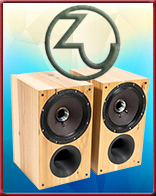





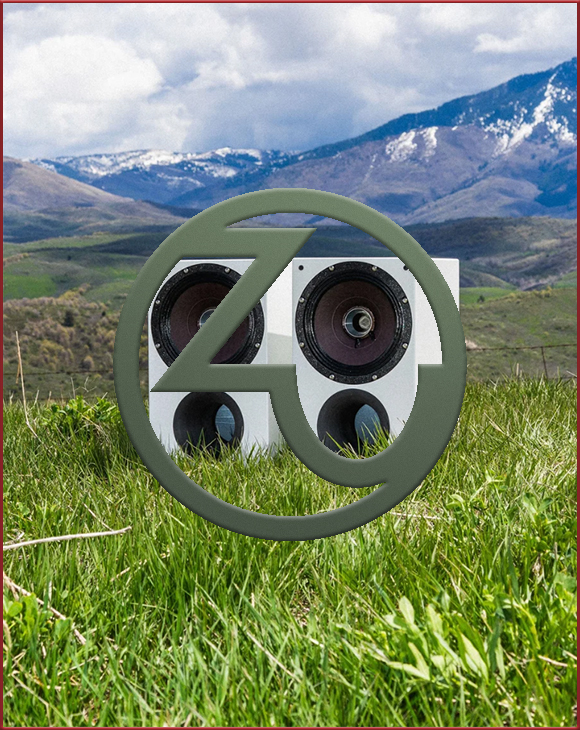
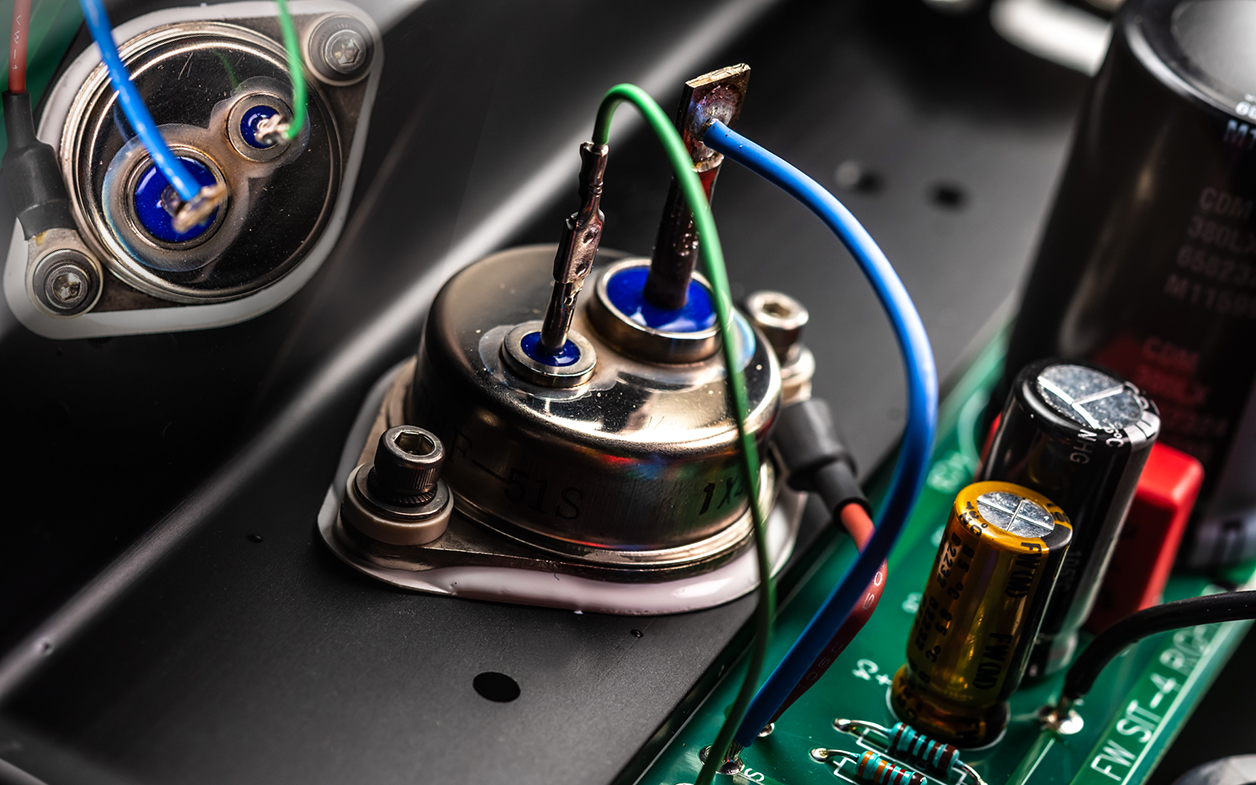
With HifiKnights' award proudly across its forehead like lipstick from a smooch, what surprises might this SIT4 have in store for me? With Dawid having ticked off F7/F8 comments to warrant another amp comparator, synchronicity proposed the aforementioned Hyperion Ge still on hand. It too is a 10wpc NOS amp of ~€5K though primarily a statement-level HeadFi amp whose speaker outputs look for the right loads. In prep for the SIT4's arrival from Warsaw, I moved my usual Qualio IQ speakers out of the main system. Zu's Soul VI usually on the video system moved in. Sean Casey rates them as 100dB at 2.8V/1m. What words would the SIT4 trigger in me to describe its particular single-stage aroma of a static-induction power transistor run in pure single-ended class A? The part sure looks the little beastie. I looked forward to making its acquaintance in this 17th (!) formal production circuit of the FirstWatt portfolio. And that's not counting all the prototypes which never saw the light of May. Out of the bunch that did, only two could still be bought mid August 2024. All the others had sold out. It demonstrates the raison d'être of this brand: short runs of specialty products to give Nelson an outlet for circuits which won't suit the mainstream applications of Pass Labs. Broadband musicians like Pat Metheny do the same. They make recordings of easy commercial appeal like Missouri Sky and Upojenie with Anna Maria Jopek; and experimental outliers like Zero Tolerance for Silence which may only appeal to far smaller audiences but satisfy the artist's creativity and allow him to walk on the wild side.

Here's the bed made for the incoming SIT4. Off the SAEQ—high gain, its own 24-step attenuator bypassed—I sat at from -30 to -45dB below full source voltage. That's when things got loud depending on their recorded dynamic range. Because this Zu model is deliberately stumpy to be décor friendly, I used some Hifistay isolators to tilt it back and stage taller. Cheap tricks. Our boiler room is full of them. Because the big 2×15" sub would be inactive during this gig, it made a convenient perch so I could leave my usual four monos untouched on their Artesanía stands. Volume control was via remote on the Cen.Grand DSDAC 1.0 Deluxe set to variable mode. That's an analog here buffered chip-based resistor ladder from Muses also used by Pass Labs.