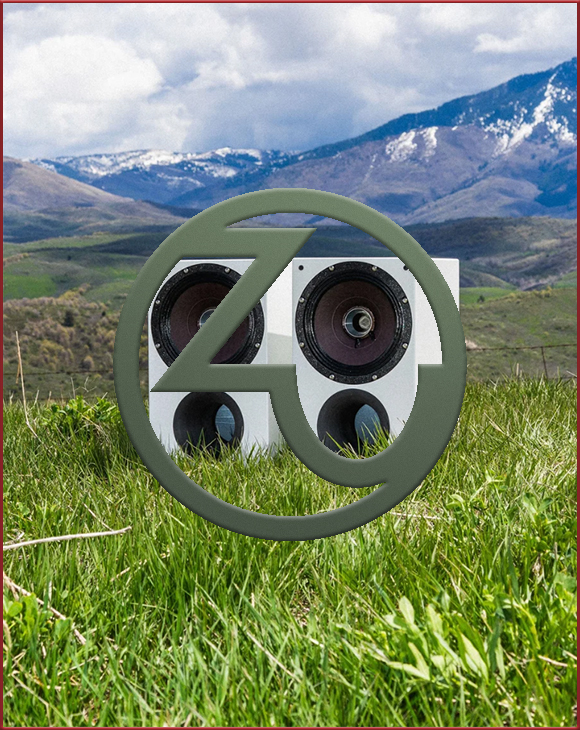
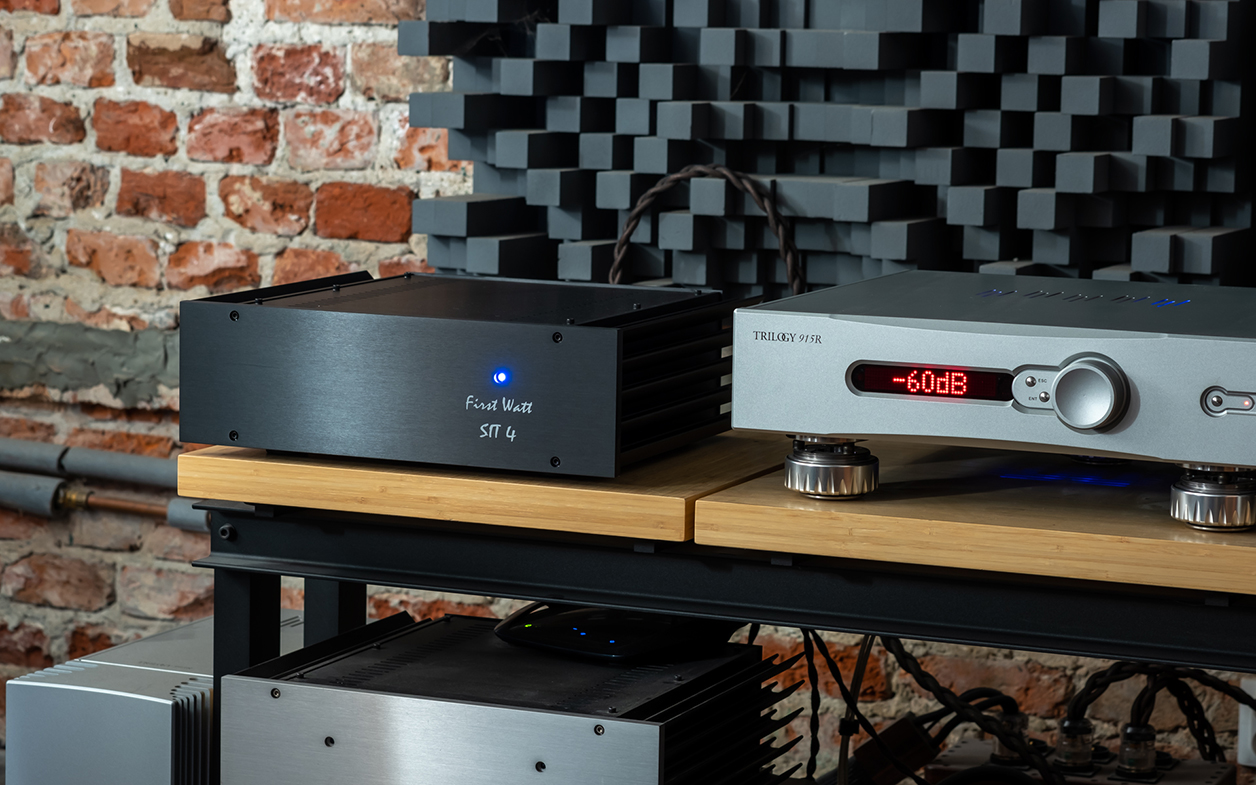
The A/B between SIT4 and F7 had its own surprises in store. To level the playing field, both connected to the Trilogy 915R preamp and powered via identical LessLoss C-MARC cords off the same AC distributor. The F7 needed -20dB on the 915R's volume to achieve 78dB SPL with the DWX. The SIT4 wanted 7dB less attenuation. More importantly, it felt significantly more wholesome, anchored and alive on the Zu. That's one naughty speaker. It provides all the usual wideband perks of image precision, articulation, immediacy, energy, speed and outline specificity atop seductiveness and expressivity. It also rocks a very large paper cone on a stiff suspension which moves a lot of air. That proves extremely useful on boisterous stuff where the Zu fares brilliantly. The wideband aroma in rock-star mode makes for an unexpectedly versatile load which simply doesn't reach very low. The SIT4 didn't change that yet contributed audibly. I'd imagined that its lesser control predicted by high output impedance would cause boom. Not. Nelson's latest not only built out the speaker's bass presence but kept its gestalt admirably punctual. The extra mass and superior control became fuller yet also feistier and more intense. With the F7, a fair share of that sensation dissipated.
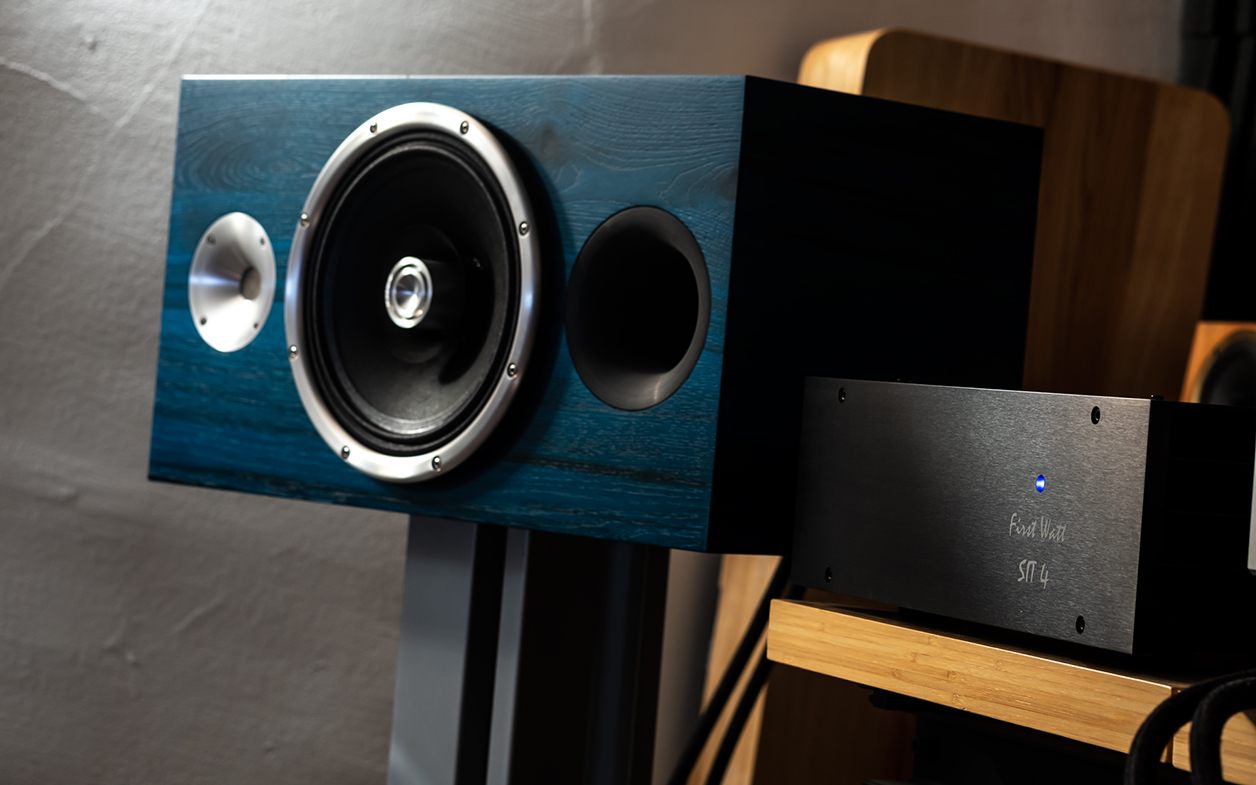
The key difference between SIT4 and F7 narrowed down to two sentences. The newcomer played it more grounded, punchy and juicy. The F7 was more diffuse, tame, cool, lean and not as saturated even though on its own, I'd not call it any of that. But it was in this comparison. Which made the SIT4 rather special. I thought it outright spectacular on timbre complexity, moisture, fleshiness and vividness. It was tremendously organic, elastic and present. Bold words I know; all used before. In truth, my vocabulary is insufficient to capture my actual impression and how I really feel about this amp. The main aspect that positioned it above all others I've heard was immersiveness. It made music exceptionally three-dimensional, enveloping, present and material. My far more powerful Trilogy 995R monos largely do something similar but the SIT4 was still a cut above. Already the Zu communicated that. With my Vox monitor, this intensified further.






My first go'round with the SIT4 and Zu combo quickly suggested an ideal match. My small Swiss monitor isn't a tough load per se but compared to the American, more so. Hence I assumed less impressive sonics. Wrong again. Just as on the Zu, the SIT4 built out the foundation with reach, control and substance. I can't measure how much extension it added but my ears heard more guttural, muscular, nimble and powerful low registers that remained clean and composed. None of these bass gains interfered with the ranges above. Those remained as articulate, intelligible and nuanced as ever. But the SIT4 brilliantly elevated the speakers' already high tonal saturation. The result simply didn't feel excessively warm, chunky, slow or earthy even if it was texturally ripe and hefty. But it also brimmed with easy detail to sound vivacious, nimble, fresh and tactile. More importantly still, how the SIT4 elevated the Vox's outrageous imaging skills left me speechless. I had no idea that there was any room for improvements on that score.
Regular speakers often manage to stage enormously at my place so uniformly stretched left to right but at best modestly layered. That renders their perspective more remote than my Swiss. When those sit in the nearfield toed in face on, distance disappears and the entire soundstage becomes far more enveloping. This shift in perspective increases layer complexity and makes the experience more immersive and intense. It's why visitors used to conventional multi-ways often call the Vox experience quite mental. Their point-source dispersion has inherent benefits on depth focus and articulation as two desirable imaging traits. This compact monitor simply doesn't have sufficient cone surface to move air like a big speaker. But I'm perfectly fine with it running out of gas at SPL higher than I normally need. It's not meant for those. Or so I thought.