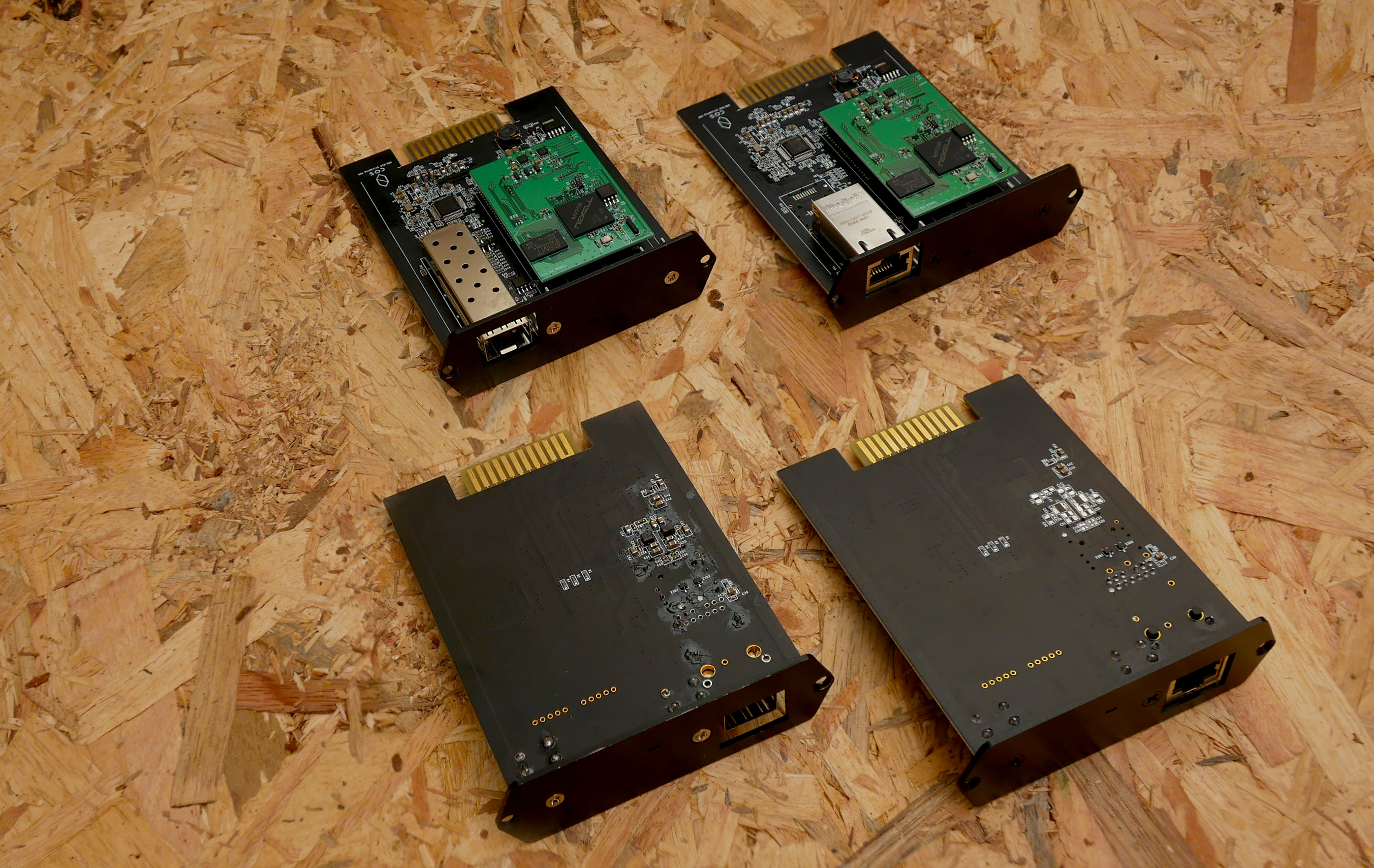
RJ45/CAT7a Ethernet copper vs. SFP/fibre-optics. Here we see the combatant slide-in modules whose pressure-fit contacts wouldn't need the rear-panel screws to facilitate quicker swaps. Slide'n'play like a Hawaiian laptop guitar. Nā lā hau'oli for 'happy days' in Hawaiian? 50:50. They were because now I was in my main system. Here top-shelf placement made module swaps far easier than on my crammed desktop. They weren't because no matter what router ports or Ethernet links I tried, I couldn't get the RJ45 board to sync and become discoverable on the LAN. It was fibre or naught.
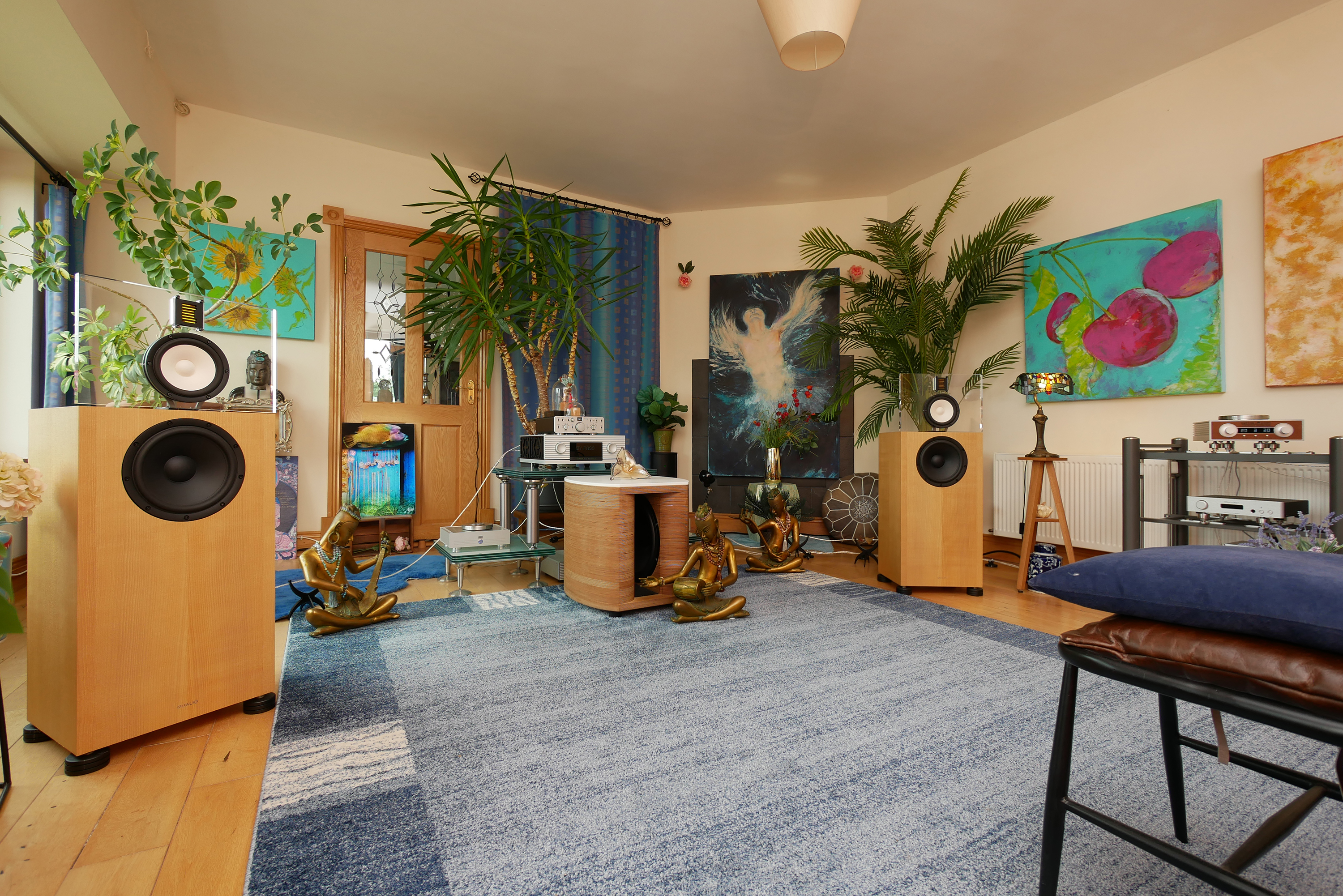
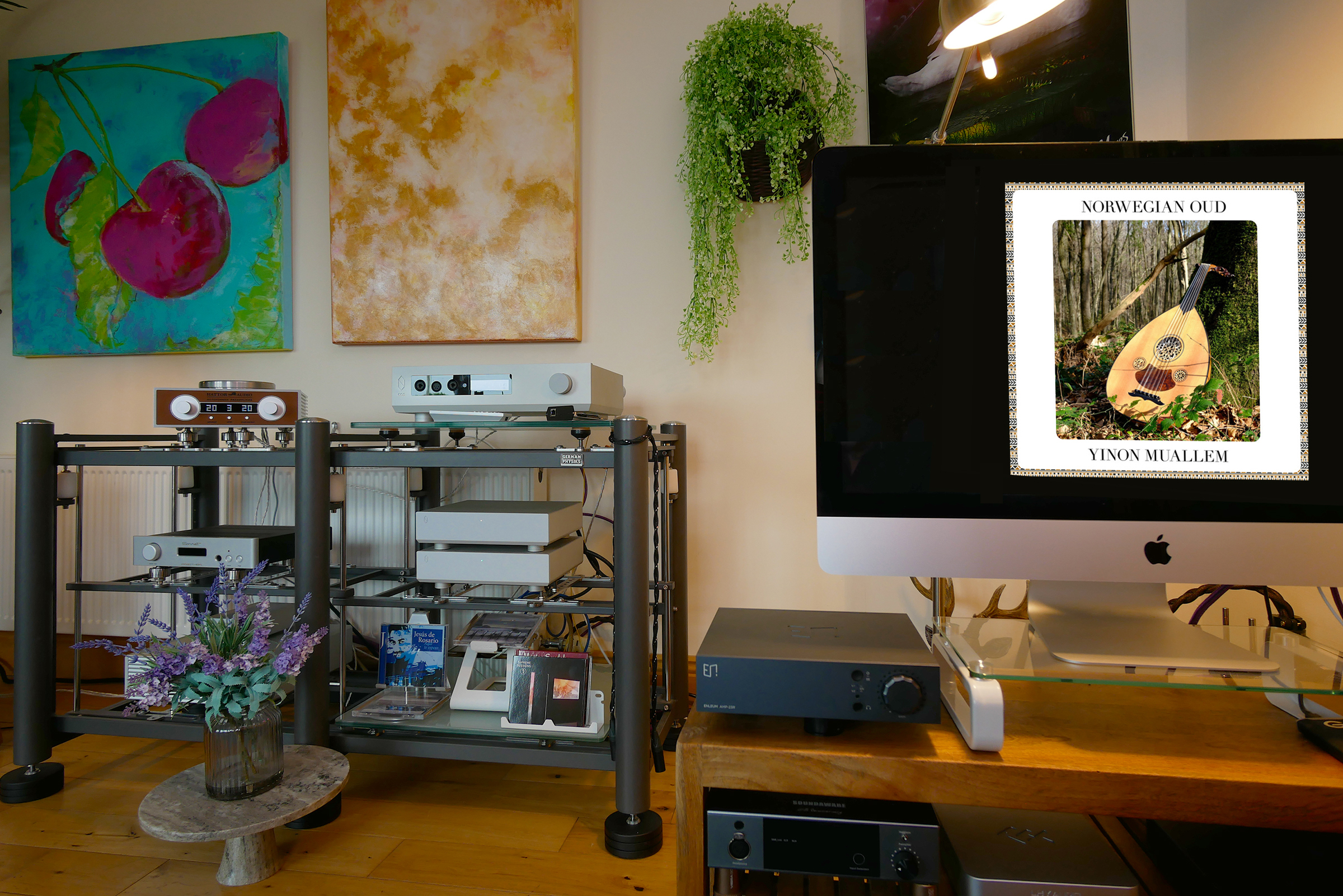
Here the D10 replaced my usual Sonnet Pasithea DAC. Like that, it fed a fully balanced remote-controlled silver-wired quad of purist attenuation autoformers from Arek Kallas and his Hattor Audio brand. As such the COS attenuator sat at zero itself so bypass. Like on my desktop, Audirvana handled the UPnP interface. And as on my desktop, fibre networking clearly had an edge over USB. That is, it did until I ran USB through the just-arrived Gustard U26 bridge then forwarded its reclocked signal via I²S. This €1K Chinese 2/3rd-width deck co-developed with Amanero for custom USB transceiver code added even more resolving power particularly on the tone-modulation score. That is lorded over by a system's ability to dig down into the subtle upper harmonics which determine timbre and how players manipulate their tone for expressive purposes.
Today's networked-audio gig simply won't detour deeper into USB. That's a different protocol and customer.










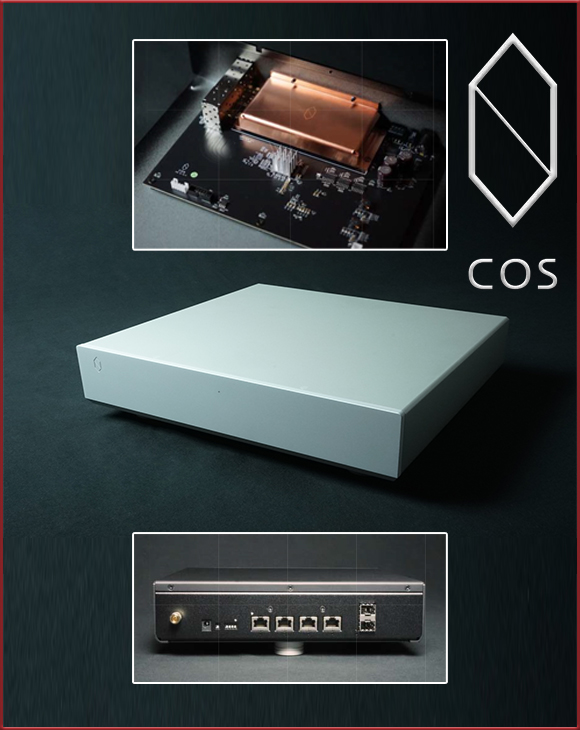
If we're doing wired networked audio, our options begin with a direct router connection. Upgrading to a noise-optimized Ethernet switch aka LAN distributor is a logical next step. An upgraded power supply for that might seem excessive but as this assignment learnt, it can speak for itself. The final question is copper vs. fibre. If we don't choose the route of an Electric Avenue media converter—Ethernet to SFP on one end, the reverse on the other—we'll want an SFP-fitted switch. Likewise for our streamer. Be it a COS or Lumin, EverSolo, Hifi Rose or Matrix, fibre-enabled streamers are making inroads. Whilst my experiments on that narrow back alley are still limited to 2 or 3 attempts, they've overlapped in the conclusion that fibre-based LAN streaming has an edge if implemented with care. Where COS go the extra mile is by offering kit for either end of the bi-directional fibre pipeline. We can stay on brand and enjoy matching cosmetics.
Just because Ethernet is an inherently self-correcting robust protocol or online banking and the stock market would crash, it doesn't imply that bit-perfect transmission equals sound-optimized transmission. Whilst network engineers might think us audiophiles off our meds, our faith is very simple. Our deity is self gratification. We please our ears. If they hear and enjoy improvements, we believe. We give thanks. Never mind the science heathens. Today's equipment epitomizes that divide. Numerous companies offer Ethernet optimizers to support a growing audience that hears their benefits. Meanwhile IT professionals call it all nonsense and TP-Link kit perfectly satisfactory. So – do we listen to know-it-all complete strangers; or our own most familiar unique pink bits? Mine tell me that for Ethernet, the router which my domestic provider installed with our activation order for high-speed Internet at this address isn't the last word on premium sound. Serving the premium-sound cause on the digital airwaves are COS Engineering from across the Taiwan Strait of mainland China. It's a name to pencil into your little black book of insider hifi tips…
Postscript: Unbeknownst to me, Dawid Grzyb too had revisited the SFP angle of his prior S6/LPS1 gig and by June 28th published those findings…