
Country of Origin

Reviewer: Srajan Ebaen
Financial interests: click here
Main system: Sources: Retina 5K 27" iMac (i5, 256GB SSD, 40GB RAM, Sonoma 14), 4TB external SSD with Thunderbolt 3, Audirvana Studio, Qobuz Sublime, Singxer SU-6 USB bridge, LHY Audio SW-8 & SW-6 switch, Laiv Audio Harmony and Sonnet Pasithea; Active filter: Lifesaver Audio Gradient Box 2; Power amplifiers: Kinki Studio EX-B7 monos & Gold Note monos on subwoofer; Headamp: Kinki Studio THR-1, Enleum AMP-23R, aune S17Pro Evo; Phones: Raal 1995 Immanis; Loudspeakers: Qualio IQ [on loan] Cables: Kinki Studio Fire, Furutech; Power delivery: Kinki/Vinshine Tai Hang on amps, Furutech GTO 2D NCF on low-level gear; Equipment rack: Artesanía Audio Exoteryc double-wide 3-tier with optional glass shelves, Exoteryc amp stands; Sundry accessories: Acoustic System resonators, LessLoss Firewall for loudspeakers, Furutech NCF Signal Boosters; Room: 6 x 8m with open door behind listening seat; Room treatment: 2 x PSI Audio AVAA C214 active bass traps
2nd system: Source: FiiO R7 into Soundaware D300Ref SD transport to COS Engineering D1 DAC/pre; Filter: Lifesaver Audio Gradient Box 2; Amplifier: Kinki Studio EX-M7; Headamp: Cen.Grand Silver Fox; Loudspeakers: MonAcoustic SuperMon Mini + Dynaudio S18 sub, sound|kaos Vox 3awf, Albedo Aptica; Power delivery: Vibex Granada/Alhambra, Akiko Audio Corelli; Equipment rack: Hifistay Mythology Transform X-Frame [on extended loan]; Sundry accessories: Audioquest Fog Lifters; Furutech NFC Clear Lines; Room: ~3.5 x 8m
Desktop system: Source: HP Z2 work station Win10/64; USB bridge: Singxer SU-2; DAC: iFi Pro iDSD Signature; Speakers: DMAX P61; Headphones: Final D-8000 & aune SR7000 Audeze LCD-XC
Upstairs headfi system: FiiO R7; Headphones: Meze 109 Pro, Fiio FT3, Raal 1995 Magna, HiFiMan Susvara
2-channel video system: Source: Oppo BDP-105; All-in-One: Gold Note IS-1000 Deluxe; Loudspeakers: Zu Soul VI; Subwoofer: Zu Submission; Power delivery: Furutech eTP-8, Room: ~6x4m
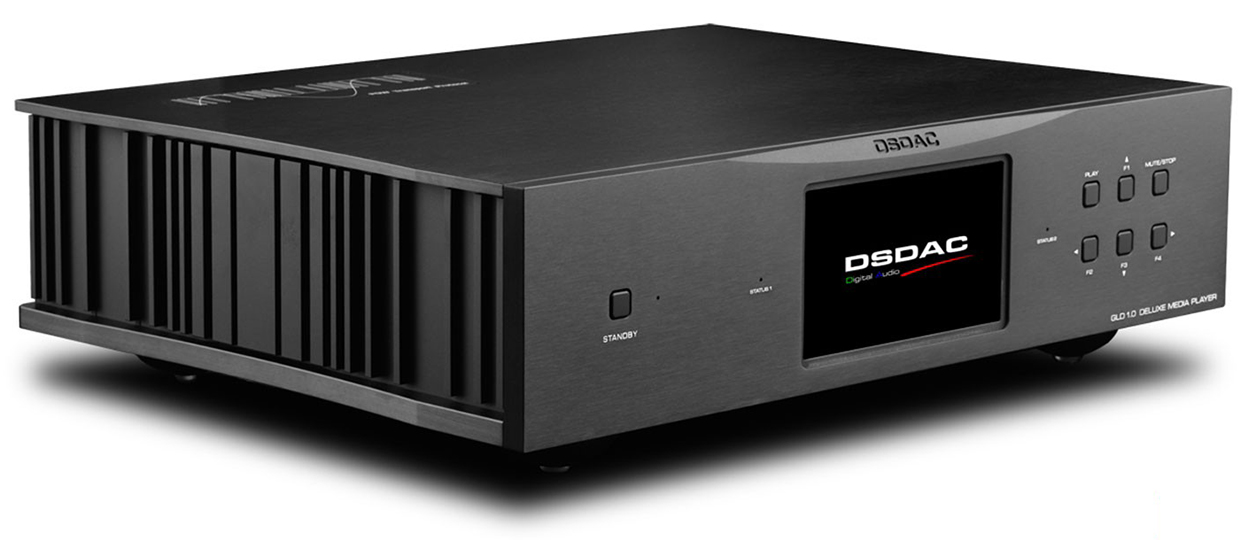
Review component retail: €4'890 incl. VAT for standard version, €7'390 for Deluxe version

Massive attack. GLS1.0 synchronized media player. DSDAC1.0 Deluxe. 9i-938 preamp. 9i-958 monos. Lansche Audio N° 7.2. That was Beijing two years ago. At Guangzhou the following year, speakers were ATC SCM150SE.
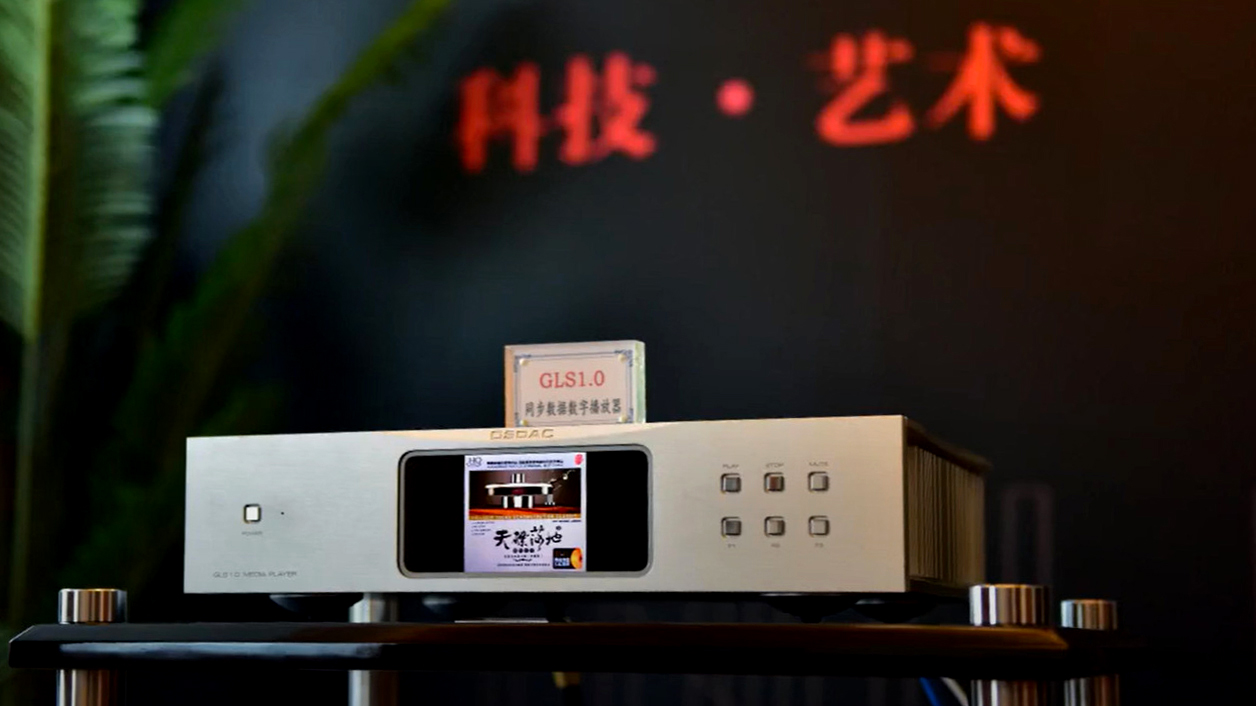
Either way, topping Cen.Grand's show stacks was lead engineer's JianHui Deng's GLS1.0, a flagship new media player with novel sync link not USB or Ethernet.




 Hogging the floor were his new 900-watt class A/B monos. Also new was the preamp sitting below his top DAC which resamples all data up to DSD 1'024 on the fly with proprietary FPGA algorithm.
Massive attack seems an appropriate response when faced by such a forceful show presence for Sino brand Cen.Grand. After reviewing, awarding and buying their top headphone amp and DAC, I didn't think twice when asked whether I'd review this new media player once formally released.
Mr. Deng had collaborated with US firm Marvell Tech on his earlier Blu-Ray players. Wanting to embed independent clocks for both sample-rate families, he had asked Marvell to enable external clock mode for their chips. This allowed Cen.Grand players to implement a then unique feature. For the GLS1.0 he now wanted independent clock and data lines very much like I²S¹. This time his chosen tech partners are Intel. What plugs he opted for remains to be seen. It could be a combo of SFP and BNC; or an existing multi-parallel computer port? Key is support for extreme data rates for multi-channel DSD; with a separate clock line.
As shown, my DSDAC 1.0 Deluxe already sports the expansion slot to host the required input module.
_______________________________
¹ External I²S lacks a universal standard for port type and pin config. We've seen it executed on S-video, discrete BNC, RJ45 and HDMI plugs whilst divergent wiring schemes birthed adjustable pins on dip switches [Soundaware, Antipodes] or software control [Denafrips, Ferrum, Laiv]. To upgrade Ethernet, some network switches and server/streamers have added fiber-optic ports. Since Mr. JianHui Deng's solution won't at first overlap with competitors, the GLS1.0 will also support standard protocols to interface with all DACs. Just so we can safely predict that Cen.Grand will call their new protocol the best option just as current machines do for glass-fiber or I²S; or Merging for the Ravenna over RJ45 protocol.