This was followed by more Æ design notes. "Transformers in the right circuit, especially low-level signal applications and single-ended topologies, behave more like acoustic instruments. The shape of the core, the alloy blend, the way the air gap is formed, how the winding sections are interleaved – every detail affects how the music breathes. It's not just Physics but voicing. For some circuits, FeNi alloys make the most sense. For others, nanocrystalline materials. But in the case of line-level attenuation—what most would call a volume control—I've found cobalt-based cores to bring something uniquely vivid and resolved. Winding a transformer sounds simple until you try to do it for real music, not sine waves. Every layer matters: tension, spacing, the order of the winding sections and the materials between them. We use four to six different dielectric types, each chosen for a specific combination of damping and electromagnetic properties. All of it is wound layer by layer by hand for the gentle line-level signal transformers; or with a little help of a simple turns counter and motor contraption for larger designs. There's a rhythm to the process. When it lands right, the result isn't just hi-end audio. It's something intimate and alive."
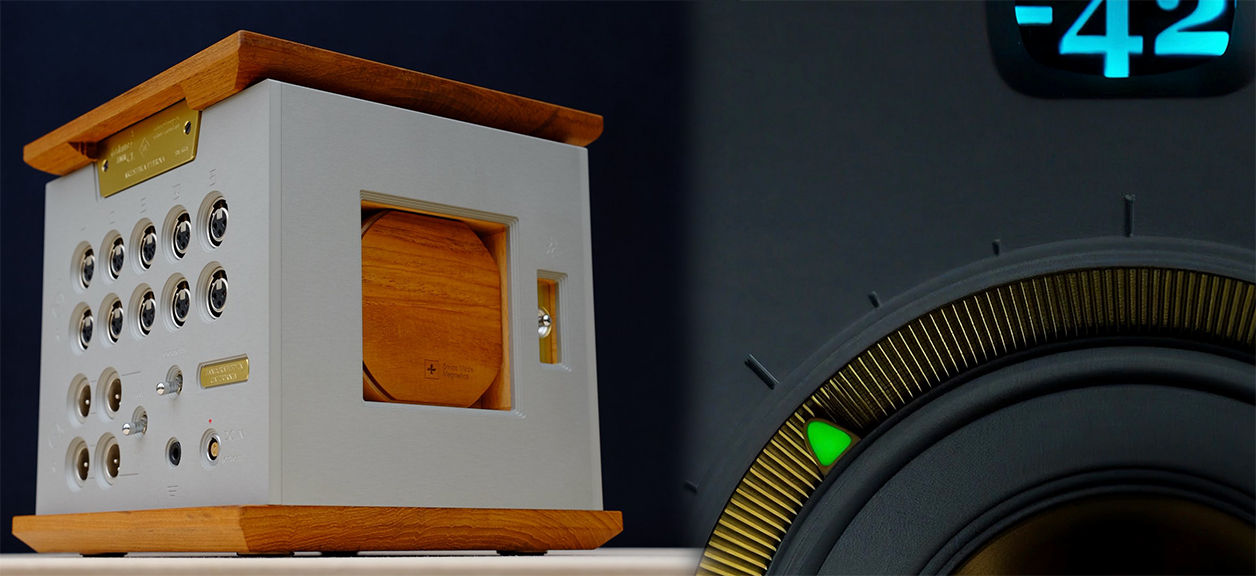
"The transformer volume control came from a desire to preserve signal energy rather than dissipate it. It behaves more like a gearbox than brake, scaling voltage and impedance smoothly without the veil or flatness (read, distortion). There's a quality of unforced dynamics, tonal density and energy flow that often goes unnoticed because we assume it's already there until familiar recordings suddenly open up and show their full shape. It's been a decades-long collective journey of listening to materials and how they interact, not just in theory but in the chain of actual playback. Measurements and spec sheets can only get you part of the way. Some of the decisions we've come to, at least as of now, aren't in the usual books. They're the result of countless hours of trial, quiet iterations and late-night listening sessions. The more I went down that path, the more it became clear: meaningful transformer development in audio is rare, especially in areas where the ear not just the oscilloscope and spectrum analyzer, need to lead. The wire and solder quality are of utmost importance. Custom-drawn 5N+ silver wire that we currently deploy across our products is a milestone not just in terms of purity but because of how its crystalline structure affects signal behaviour especially in dynamic, time-varying musical contexts. That part tends to get overlooked. But once we began using it throughout for mains cables, interconnects and transformers, it was like peeling a film off recordings. Pieces I'd heard hundreds of times started revealing new phrasing, breath and harmonic detail. Even the mechanical structure contributes to what we hear. The cores are mounted into enclosures using solid hardwoods and brass fixtures not for looks but for how they handle resonance. Too much damping and the sound feels flat; too little and it rings. We blend waxes, oils and resins to hit that balance. It's one of those areas where technical precision and intuition overlap and where small decisions make a big sonic difference."
 Göbel, Wadax, Zanden.












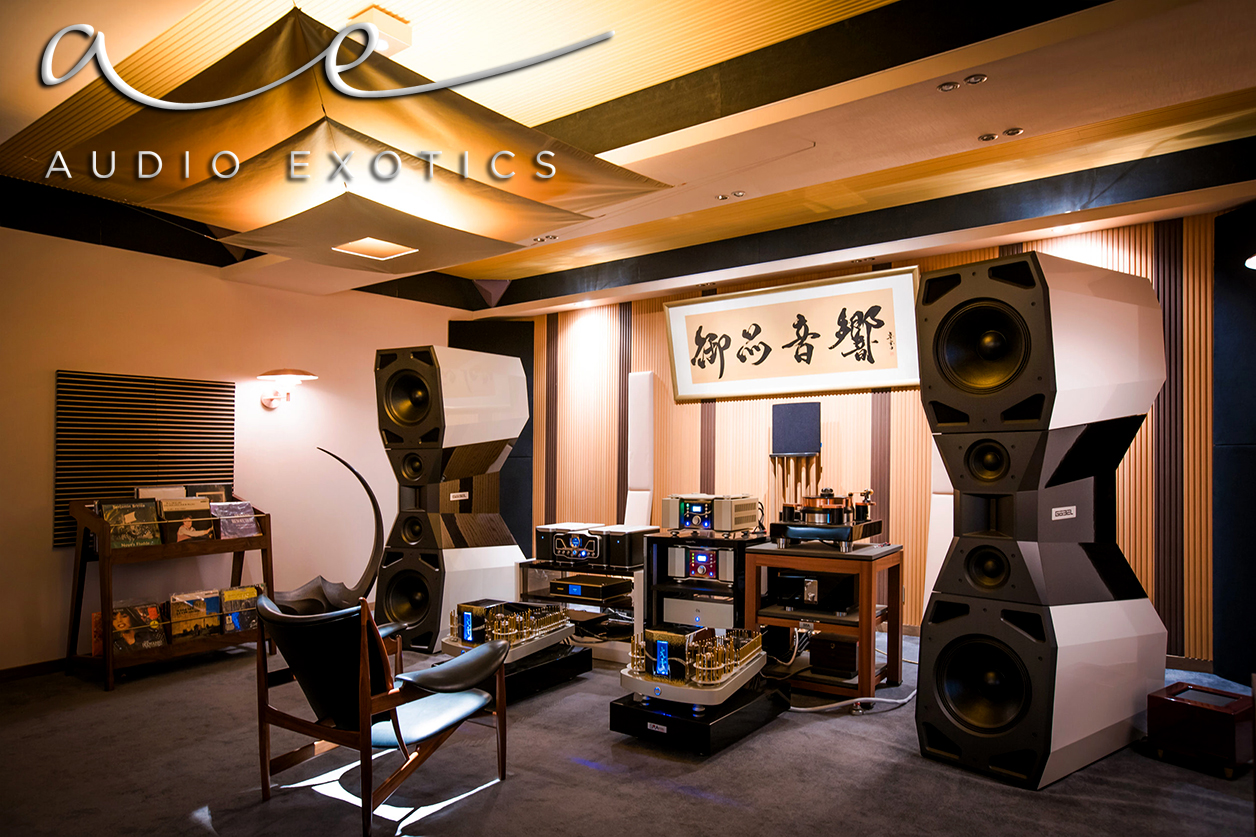
From Audio Exotics client Wilson 'Mr. Zanden' Leung: "I've have been an audiophile since 1973. The concept of using a passive preamp never appealed to me due to my past experience of its lack of dynamics and tone colour in a good system. My three hours of serious listening to the Lumen passive preamp yesterday, in a familiar system and listening environment, utterly changed my previously sceptical view to utmost admiration. If done absolutely right, this concept can enable your system to perform at its optimum. What I heard was transparency, layers and layers of recorded details, real-life imaging, dynamics and emotions. I could go on. It was a musical revelation. If you can afford it, as a serious discerning audiophile you owe yourself a proper listen. This Lumen is a piece of art and ranks among one of the top (musically real) preamps out there." Like Chris Leung's, I feature this quote because it expresses common preconceptions about a passive's lack of cojones. If large orchestral is your reference as it is for Audio Exotics, revising that notion for the Lumen is rather suggestive.
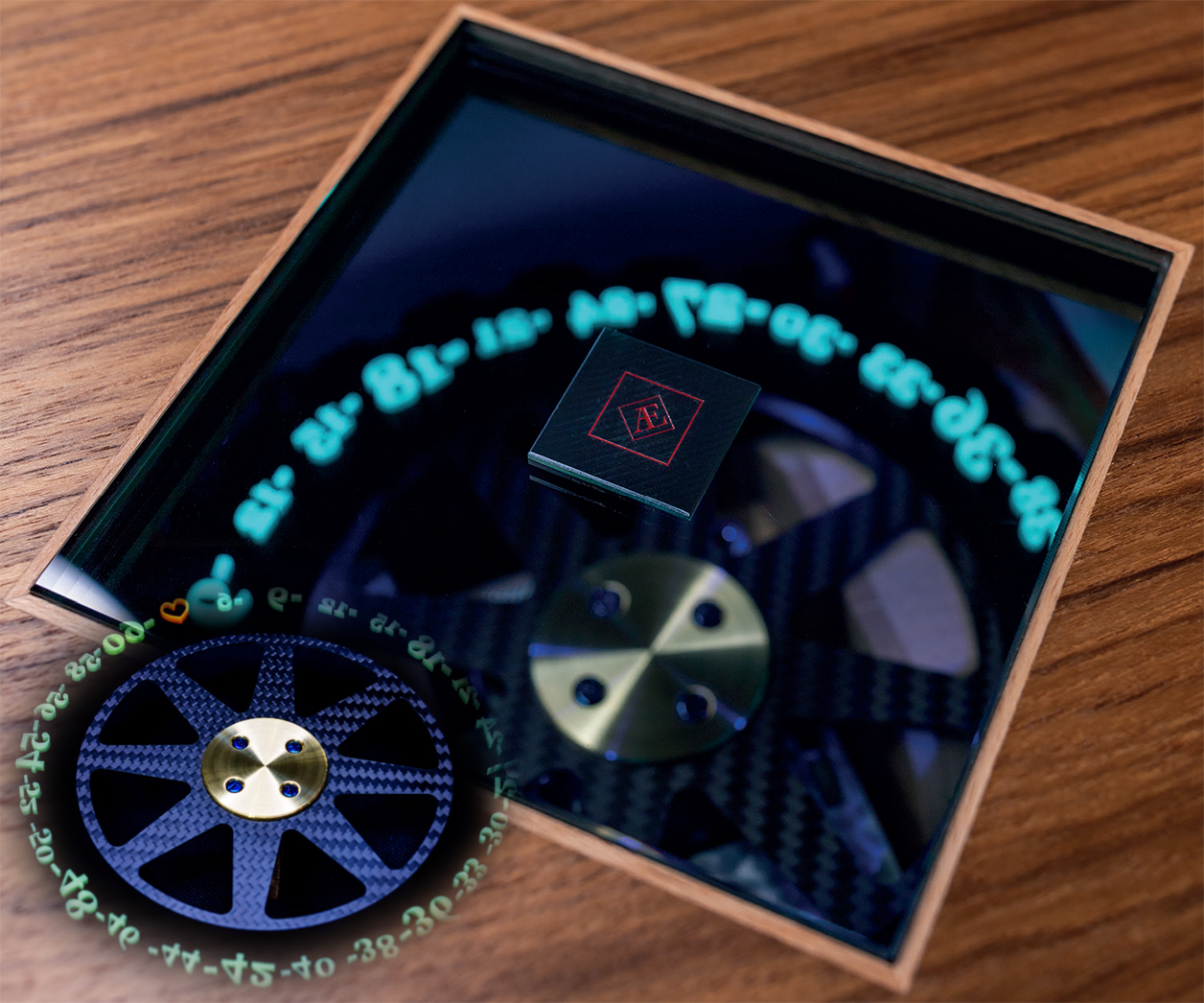
As is true for any endeavour and art form, there are levels, layers and leagues. How deep do we wish to dive? If very deep, we need the fellowship of extremist companions who push the envelope. With the evidence collected thus far, we see the Lumen to be one such depth probe within its niche of a niche of expensive passive-magnetic attenuators. Now let's meet Stas Slobodyanik who is not related to the famous Ukrainian concert pianist but knows of his son Alex, another pianist living in LA who also works as an actor, writer and director under the name Sasha Seberg.