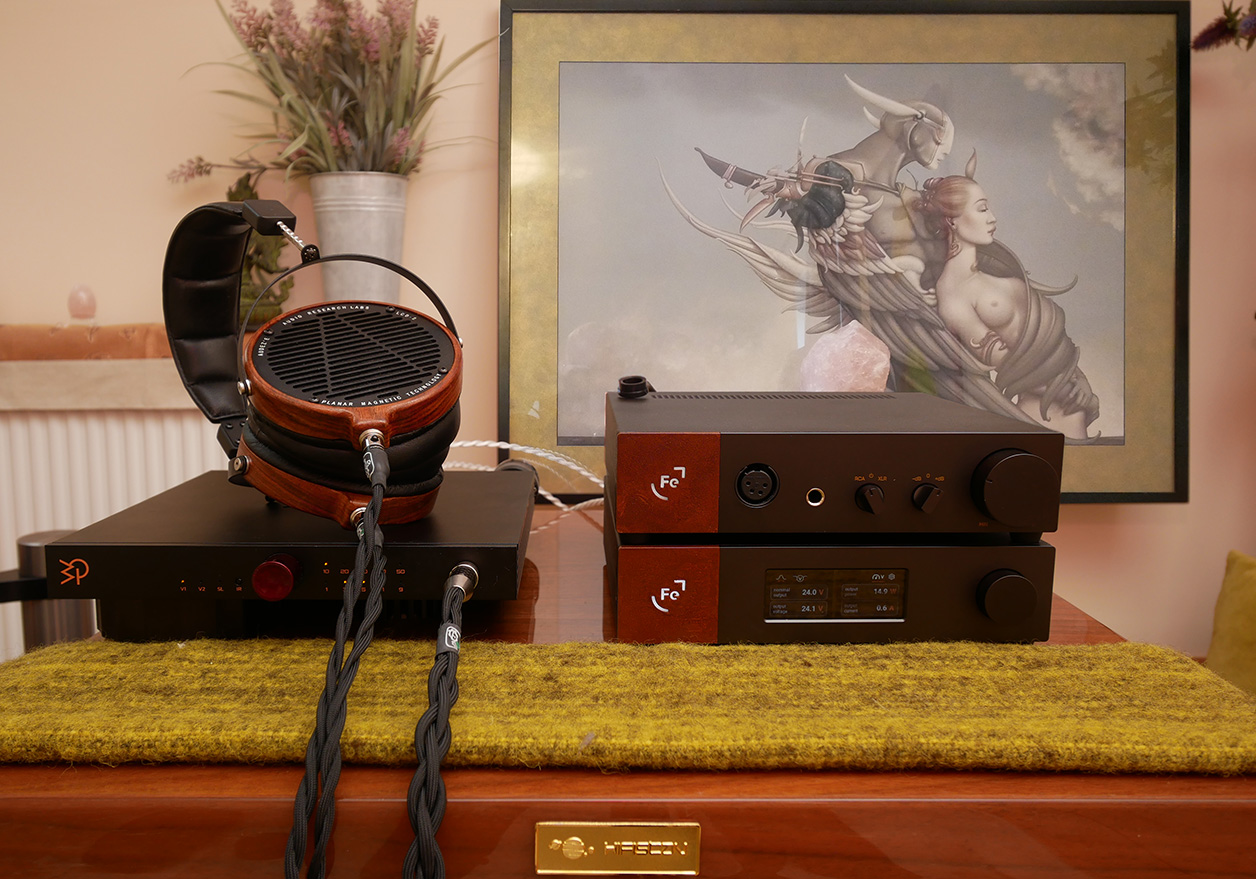
Bakoon do a hidden low(er) gain gear but that still maxed me out at 5 of a possible 50 clicks. Meanwhile Oor's low gain got me to between 9:00 and 10:00 o'clock so far more useful 'steps' even if theirs is really a continuous control. That made the score 1:0 for Poland with a rather spectacular scissor kick in the first minute. But as the game progressed, there was more. I also preferred its sonics particularly with Hypsos goosed to 30V. The Sonorous X have a Sennheiser HD800 intensity though no bite. Still, their native gloss dovetailed better with Oor. Shifting the amp deeper into gravity and roundness with the sweet-spot feature reaped extra dividends. That made it 2:0 for Poland. Coming in at half the wallet grief ought to make it 3:0; at least. By doing the extreme splits from Sonorous X to Susvara with its unusually broad gain options and no noise, Oor is a real Alleskönner as the Germans call a polymath. Team ferrum have really adapted their first headphone amp to the big picture of headfi scenarios. How about a less esoteric load like my pre-fazor so now deep vintage Audeze LCD-2? Given its darker, heavier somewhat opaque 'chocolate' voicing, I expected it to really get on with Oor.
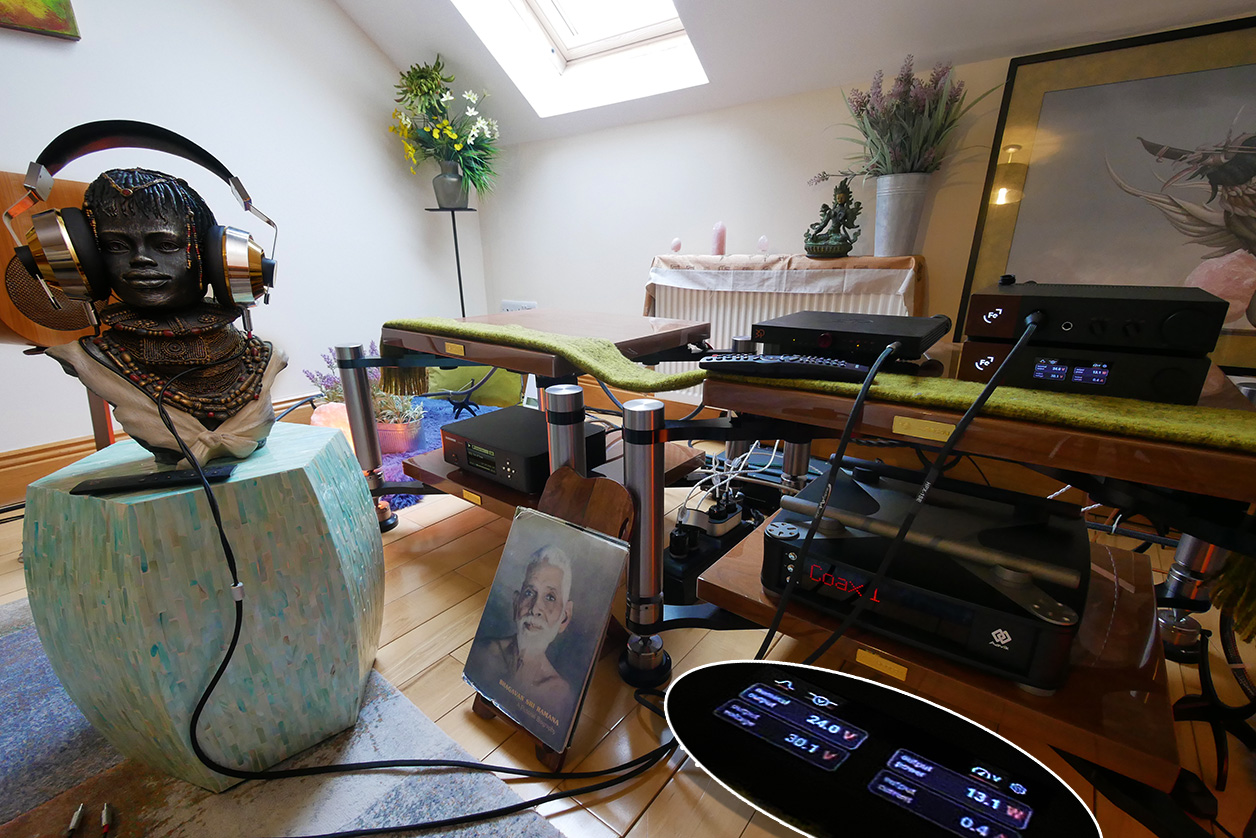
And it did. While resolution took a hit, tone density loaded up. Having sufficient gain in all three settings, I took note that they didn't sound 100% identical. Though high gain had to back off the quad Alps a fair bit, it still sounded the most substantial and saturated. Low gain was paler and leaner despite best attempts at matched levels. For those who enjoy really paying attention, there's a small sweet-spot tuning of the 2nd kind aside from the advertised main Hysos tuning. Given the inherent thickness, minor hoodedness and reticence of my early Audeze compared to more modern orthos, the type difference one expects or dreads between €6K and €3K amps failed to materialize. If the LCD-2 were my primary poison, I'd not bother with the Bakoon. To matter in this context requires transducers of higher magnification powers. But I did again favor 24V mode for compensating the Audeze chocolate with just a pinch more cayenne. Or so I thought before…
…another Max email. "I read your unfolding review. You seem to like how Oor performs. It has internal over-voltage protection. That disconnects the power supply if necessary. So you can't really toast Oor with the wrong power supply or if you run older Hypsos firmware without preloaded Oor settings which automatically limit you to the safe values [mine did have the latest firmware]. You can even diminish the supply voltage below 24V. Oor works properly anywhere from 22-30V so there's actually an 8V range to choose from. You liked lowering the voltage especially for your LCD-2. Maybe it's worth trying those at 22V?" As a card-carrying hifi floozie, absolutely!









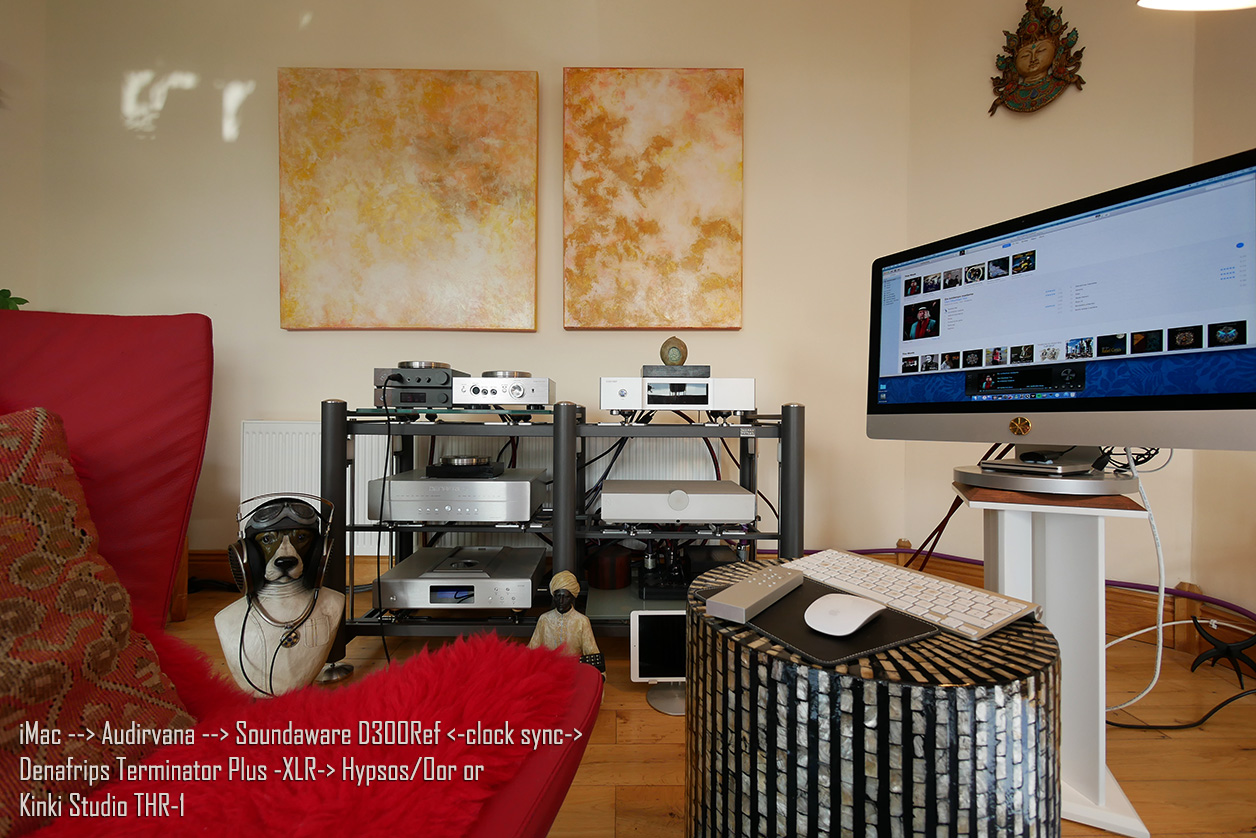
But first, a dog day's square-off. Using the title track from Antonio Rey's A Través de Tí whose athletic flamenco rumba shifts seamlessly into a dense salsa with piano, flute and muted Cuban trumpet, the different textures and tonalities of our Kinki Studio were very apparent. Due to its greater air injection with its reflective nimbi around images, now 24V Hypsos/Oor played it glossier. The THR-1's lateral Exicon Mosfets were warmer and drier, their separation powers less acute. Even the snotty stridency of particularly the muted trumpet presented as less katana-like. Against a small reduction in articulated edge render and layer discrimination, the Chinese thus retaliated with woodier less metallic tone. That removed what now was the Oor's relative 'film noir' sheen. It all shifts with what one references. On this count, the earlier table vis à vis the Bakoon had turned.
From a purely psychological/subjective perspective, I'd call ferrum's tuning more geared for vim and vigor, Kinki's the more relaxed and sunny. Hence keener articulation and separation came at a small cost of what we might term easeful flow. That's if in the other we detect a kind of muscular tension like a shredded athlete flexing for maximum rip whilst the next guy has relaxed already. When f-word celebrity Gordon Ramsey visited Sadguru's ashram in Southern India for a micro immersion in advanced vegetarian food, the holy man suggested that he eat less meat to get his body and mind more relaxed. The hyper-competitive chef replied, "I am relaxed". The bearded mystic had an amused twinkle in his eye. The viewer remembered the previous evening where Gordon's legs and hips were so tight, he couldn't sit on the floor with his legs crossed. It's all relative to what we consider normal.
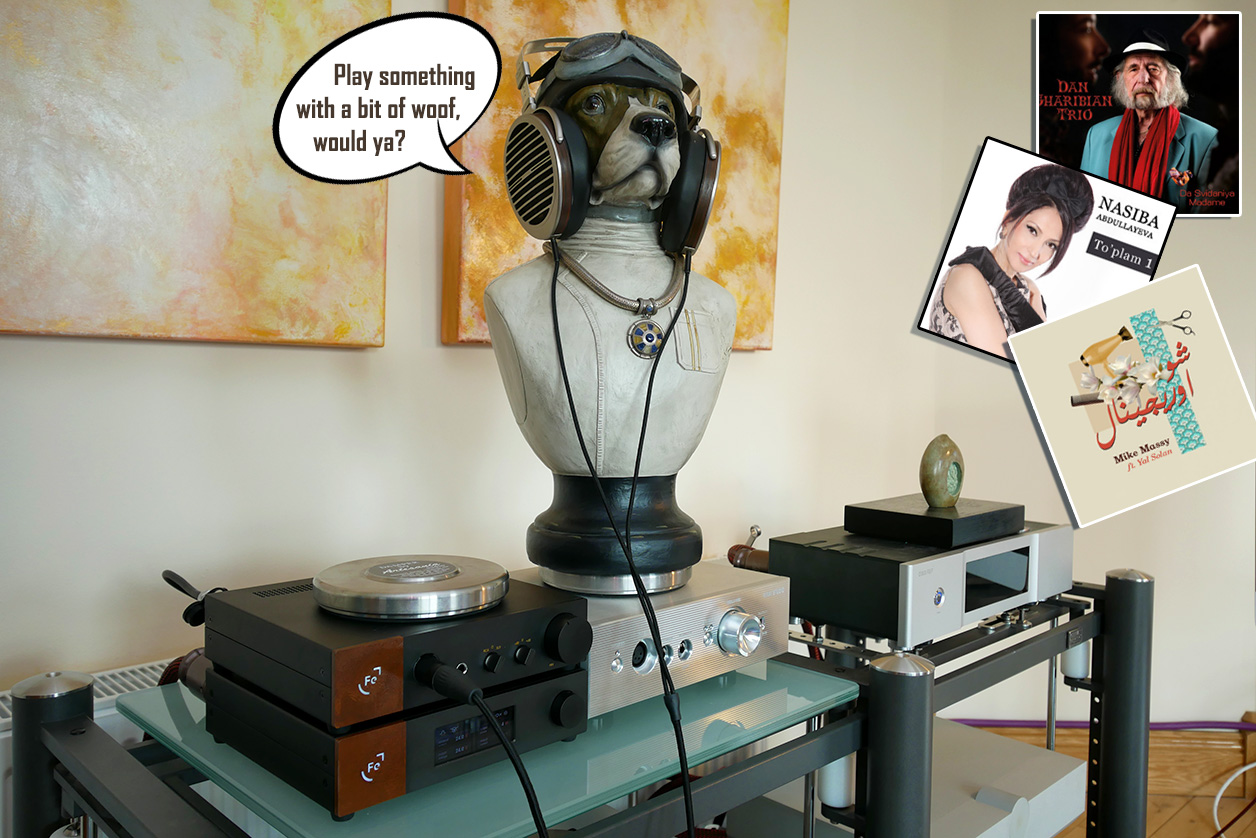
If the directness of headfi particularly with Susvara-caliber drivers strikes you as unnatural already, then Oor being tuned for extra directness will strike you as extra unnatural. That's plain logic. If you view headfi as an alternate reality with its very own rules and attributes, Oor maximizes them more than competitors which attempt to stay closer to speaker listening. Why make valves sound like transistors? If that question resonates, you could really resonate with Oor's speed and immediacy which banish even half shadows for full stage illumination. Following my dog pilot's request for more woof, I cued up hard-hitting electronica whose LF content clearly benefited from punctilious edge renders and grippy damping. If such modern music makes up a fair section of your library, Oor's tuning aligns very well. It's the classical guys with the balcony seats who could object. But cramming 70 orchestral players into our cranium is never as compelling an illusion as sticking to smaller ensembles. Hence symphonic audiences often bypasses headfi altogether. I resonate with that to not really listen to symphonica over headphones.
Now the checkered flags of this assignment are in sight.