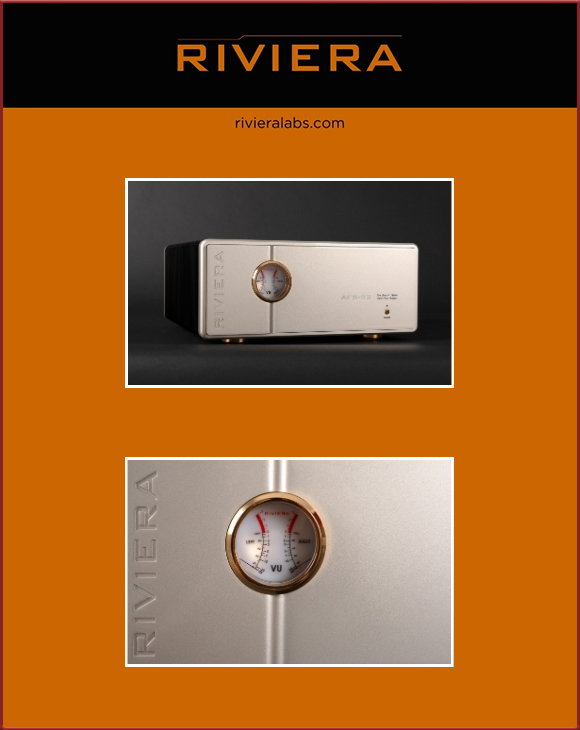
Compared to other spatialization tech I experienced, ELISA is less overt than the dCS Expanse (I owned a dCS Rossini Apex for about a year) or the BACCH for Headphones I tried with the Grand BACCH-SP. Both of those changed the sound so dramatically that the result went from exalting to caricaturesque. ELISA was clearly superior to DSP I tried in Roon, JRiver or Foobar, all of which exhibited loss of transparency and/or alteration of the tonal balance. ELISA was at least on par with the best crossfeed I used in the Chord DAVE by managing to deliver its effect with minimal or no drawbacks unless a headphones user specifically enjoys the peculiar intimacy and bubble-like sound field of headphones. I may have heard a very slight veiling on some tracks or a certain fuzziness around the edges of images at times, a hollowness related to a more prominent effect of reverb, but again the benefits of ELISA were so overwhelming that I used it for nearly all my listening. I even went a step further by using the Maestro as a crossfeed preamplifier into my Riviera Labs AIC-10 to bring the benefits of ELISA to my reference amplifier. I really liked the results. It may be overkill to spend close to €10K plus a good power cord and interconnect when you already have an integrated just to add crossfeed but it makes a strong case for the Maestro HPA1's versatility when used in a mixed headfi/speaker system where the return on investment from a preamp which also is a great headamp with built-in spatialization becomes compelling. Over the last 12 months I tried several amplifiers in my system including those I reviewed. The Maestro HPA1 reminded me of two I admire, the Simaudio Moon 600i V2 and Nagra Classic INT. It shares with them an almost aristocratic delivery where refinement, freshness, clarity, neutral tonal balance and control go hand in hand with tactility, punch and emotional connection.

 My Riviera Labs AIC-10 has a more masculine take on things with a more saturated midrange and prominence in the sub-bass region while suffering a slightly higher noise floor. Similarly the Trafomatic Primavera and Viva Egoista 845 provide more dramatic macro dynamics and a rawer more full-bodied presentation whereas the HPA1 has the edge on fluidity and resolution. The Auris Audio Headonia 300B had that expressive midrange which made vocals especially seductive, a macro effect where imaging seemed expanded together with a slight laid-back approach that invites. The Maestro has more focus, speed and transparency. All of these amplifiers out-cost the HPA1 and none packs a DAC or spatial processing for headphones. The Chord DAVE overlaps more by including a strong crossfeed implementation. Its DAC section is the star of the show and to my ears delivers unmatched resolution, low-level detail and a peculiar reconstruction of timing, especially the attack of notes, that makes music feel more exciting and alive. The Maestro's ELISA is an equally effective but more versatile crossfeed tool, its overall presentation meatier and smoother on top. Furthermore, the power reserve of its amp section poses no limitations whereas DAVE might struggle with more bearish headphones.








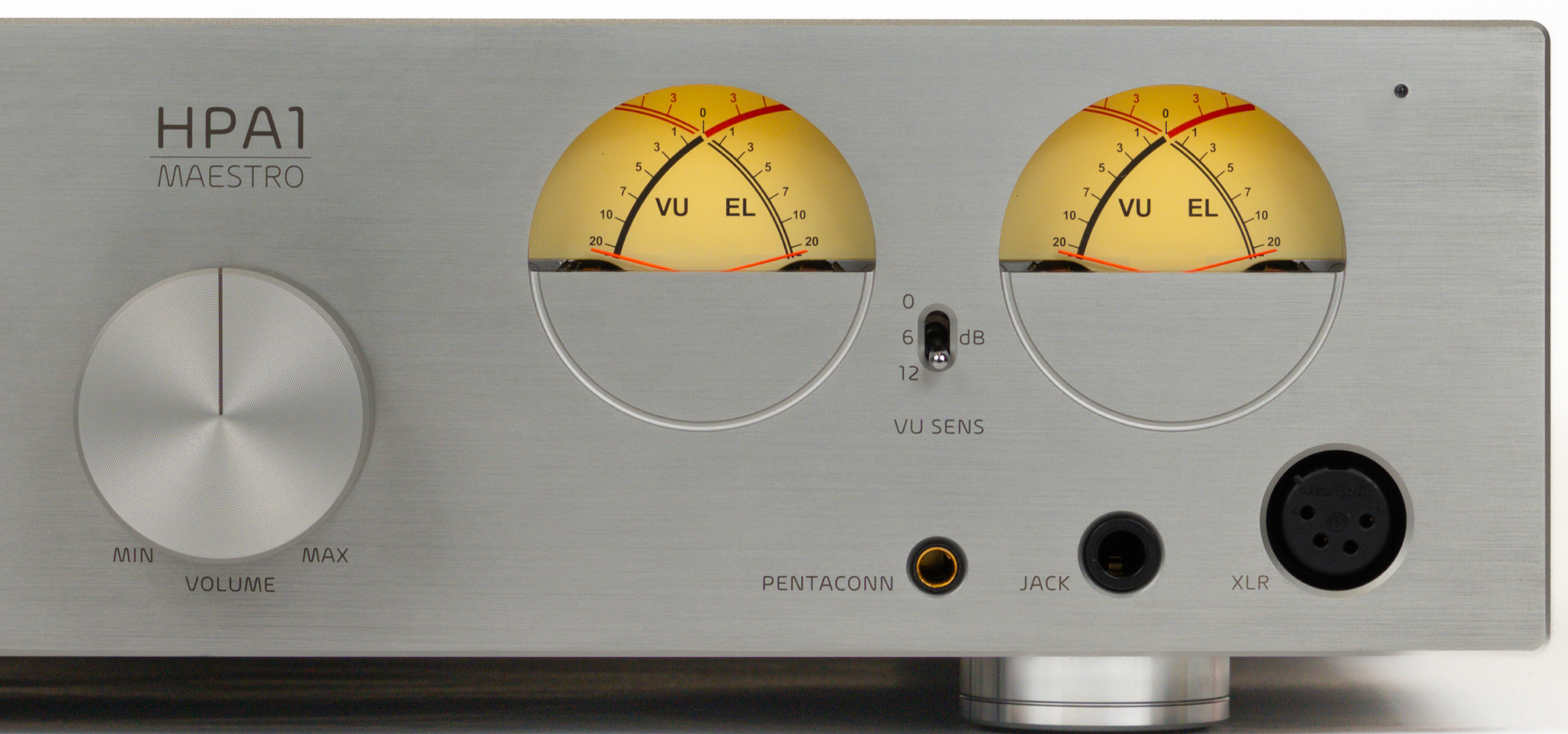
The dCS Bartók is an even more complete all-in-one as it includes a streamer but costs more than twice as much as the Audma. Its tonality is not far from the Maestro HPA1 though potentially a bit darker and more full-bodied also dependant on the dCS filter, upsampler and mapper combination. In my view ELISA offers a generally more effective result than the dCS Expanse and a far more capable amp section. So the Audma Maestro HPA1 is a creature of many talents. As a DAC, preamp and crossfeed headamp, its value proposition is hard to match as it may compete with separates at multiples of its price and still have an edge due to the ELISA circuitry. It is solidly engineered and has a gorgeous appearance if like me you appreciate its retro lab design. But let's be honest, who really can resist a pair of amber VU meters dancing in a dimly lit room with a full array of silky-smooth knobs to fondle? It can drive any headphone in existence with power to spare. Above all it was designed to convey music in a straightforward, respectful, non-editorialized yet compassionate and humanized fashion. And if you are one us who coming from years of speaker systems feels that the sonic projection peculiar to headphones is weird or unnatural, the Maestro HPA1 could be your magic door to enter high-end headfi and enjoy its marvels.
Audma are already receiving accolades in the global headfi community and during my talk with Cesare it was clear that he has further goodies in store for our community which will leverage ELISA technology. It gives me a strong sense that Audma will become a force to be reckoned with in our sector.