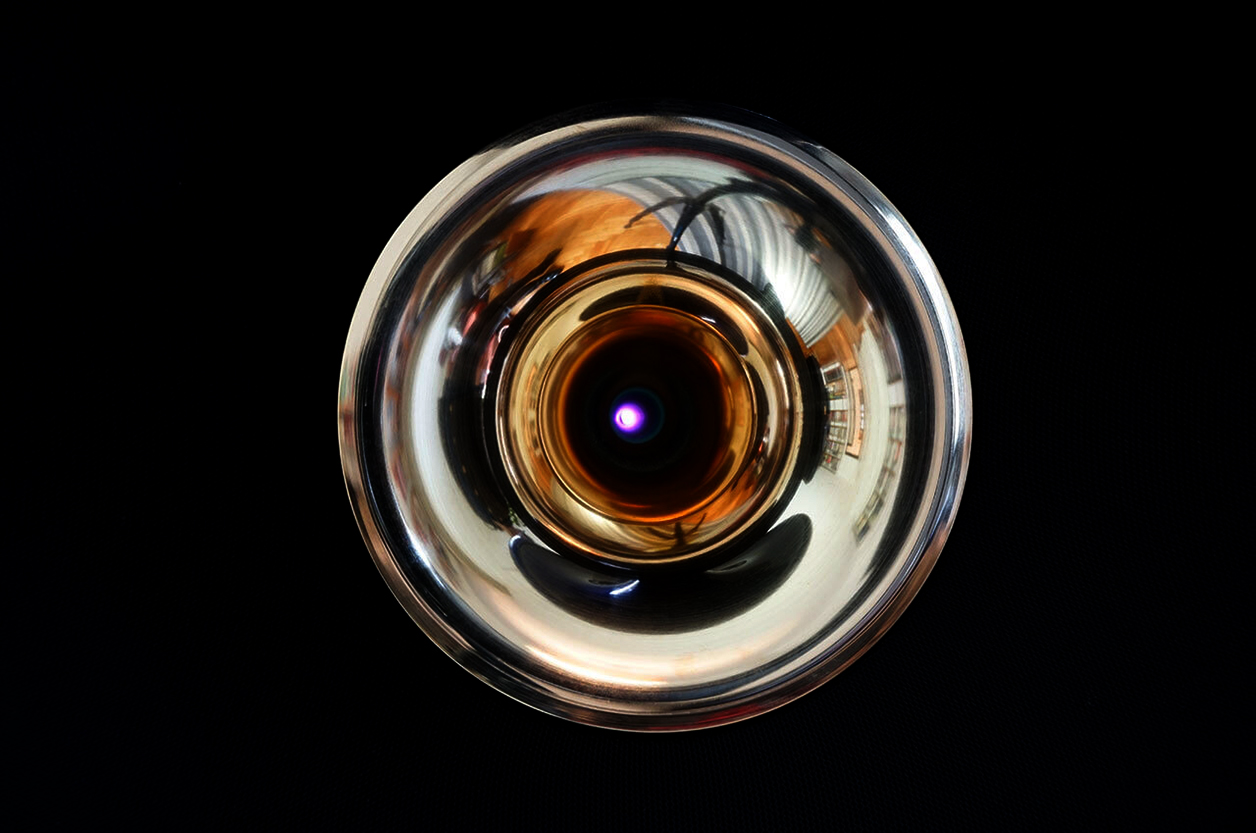
Some educated people cite ozone emissions as a disadvantage of plasma tech but my twitchy nostrils couldn't find any hint thereof whilst sniffing like a rabid dog around the horn. The things we don't do for our readers. The only customer annoyance is that this high-tech tweeter marvel requires tune-ups like a car. With recommended 5'000 to 6'000-hour intervals, for many this could mean 10 years before a €1'100 service charge and overhaul at the factory causes a short interruption. Now a word about my setup. I used my top amplifier combination from Electrocompaniet which worked very well. It is doubtful of course whether 300W into 8Ω were really necessary into an 95dB speaker but I love power reserves especially with bass systems of today's calibre. When the going gets tuff, the tuff get going, yes? In fact, double down is a Black Jack strategy and many a stock market speculator has attempted something similar if routinely without success. Audiophiles too may be interested in what actually happens when we double our stake though our speculation of course aims at sonic gains. I often and happily review expensive classy high-end gems but this Acapella High Campanile 2 was something else. So I wore heavy scepticism like a shield. I recently reviewed expensive Dali and Magico speakers, my own benchmark is the €35.5K BassoNobile, a €50K Focal visited years ago. Let's be honest. What could this bell tower at about twice the cost do better when my room didn't grow in size and my ears not in SPL needs or ability? Before I attempt a few answers, let's first address three prejudices one may nurse about such large speakers.
"Such a huge speaker overloads the room especially with bass." Really? I heard nothing of the sort. In fact, the High Campanile 2 was a little slimmer and tighter of tonality than the slightly sonorous BassoNobile although managed to sound more powerful due to its bass dynamics and almost absurd reach. It's more neutral overall and pulls through linearly at the top where the BassoNobile is a mite milder. While 'the small one' develops the lower mids and upper bass with a little more emphasis, the big sister is the virtuous one though doesn't seem as studio-like as a Magico A5. Here there's a bit more warmth in play; and above all bass power.








"Loudspeakers this big balloon images to a silly extent." That may be true but not here. Of course there are loudspeakers that image more compact but is that really a virtue? The scale of individual sounds seemed realistic and no bigger than with a BassoNobile but the edges were sharper so images more precisely framed. Chamber music and singer-songwriter stuff remained intimate and concentrated. Heck, there are monitors more pumped up than the Campanile 2. But that doesn't mean that it can't flood the room when called upon. And how; but more on that later.
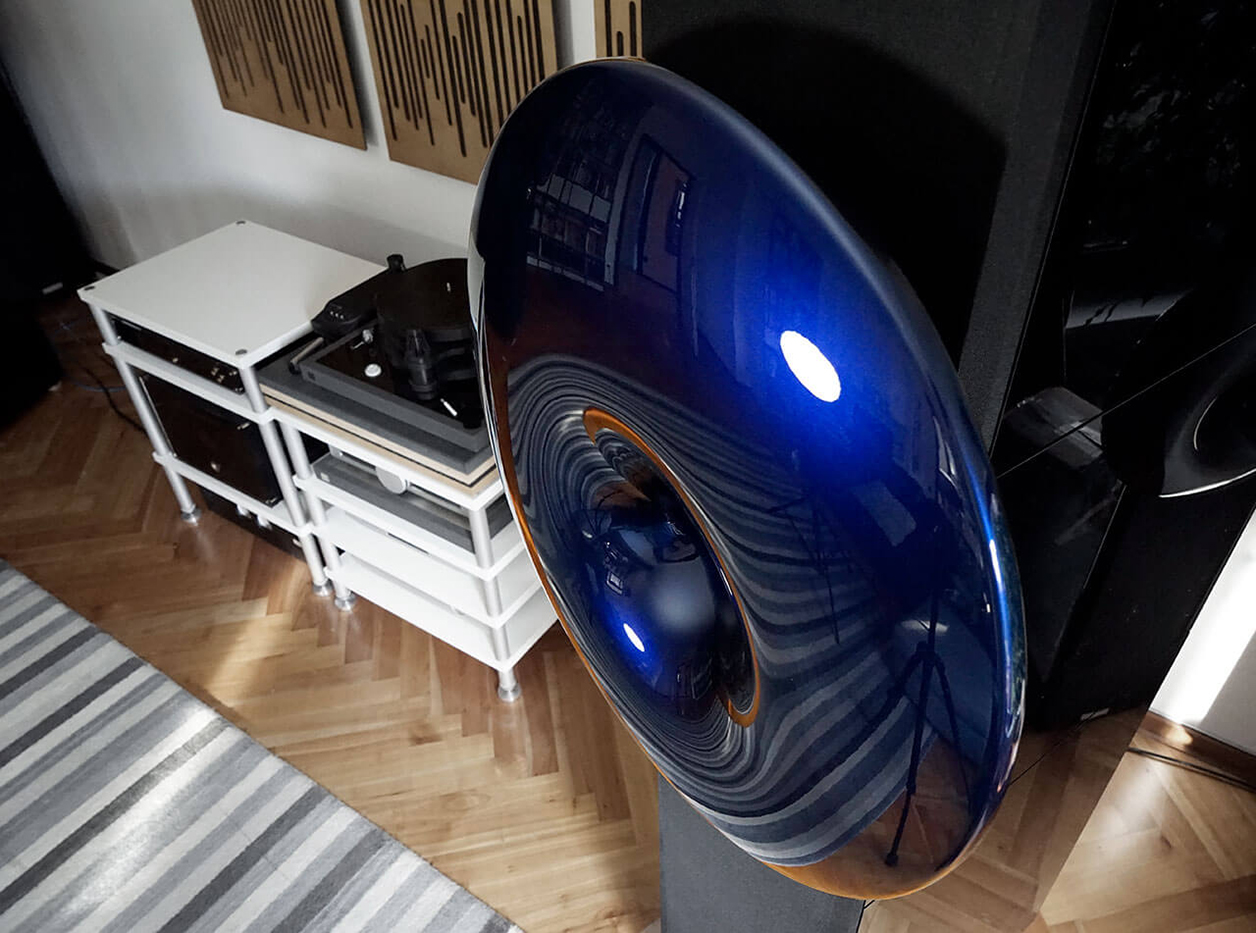
"Horns honk." You still buy that? In my humble opinion, these are problems of the past and no longer factor in a modern horn properly profiled with multi-disciplinary modelling software. With the large Acapella I had the opposite impression and after the first half hour thought it to be the most realistic reproduction of stringed instruments that a loudspeaker ever offered me. Be it the finish, the detail especially in the lower registers, the bite in the meat range of a cello or double bass, it all was wonderful, never cloudy or vague, never pixilated or pseudo hi-rez but perfectly structured and solid. Above all, I rated it absolute realism in terms of sound colours so timbres. Here the plasma tweeter probably had a lot to say about overtone completion and even that has a horn fronting its flame. So please drop this obsession with horn colourations already; at least for the duration of today's assignment.