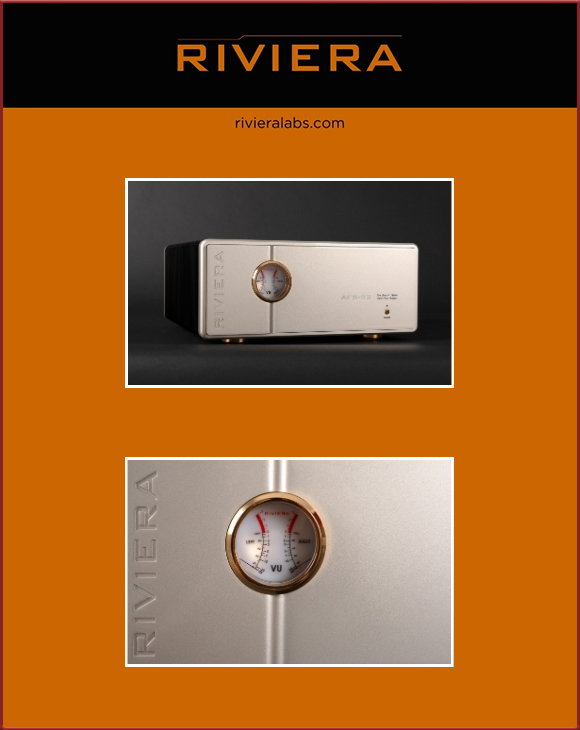
Activating Leedh volume control was another source of surprises. I haven't evaluated digital attenuation in years but my early attempts convinced me that it's not really suitable for high-end audio beyond a few decibels of trim. Anything more caused detail loss and soundstage collapse. I happily lived with that conclusion for the last decade – until this week. Typically I wouldn't put multiple volume controls in series to avoid introducing noise at each redundant gain/attenuation step. My Enleum AMP-23R is different. Its volume control doesn't apply attenuation to a fixed gain stage but instead sets the circuit gain directly. There is no excess gain that needs to be burnt off resistively. The volume control selects a resistor value in the output of the current-gain block which determines its amplification factor. Hence it's more correct to think of the Enleum as 60 amplifiers in one box, each one with different gain. For normal listening, the volume control rarely sits above 9 o'clock but to test the Leedh algorithm I bumped the Enleum to 1:00, generating far more loudness than I could safely use to run Leedh for deeper attenuation.
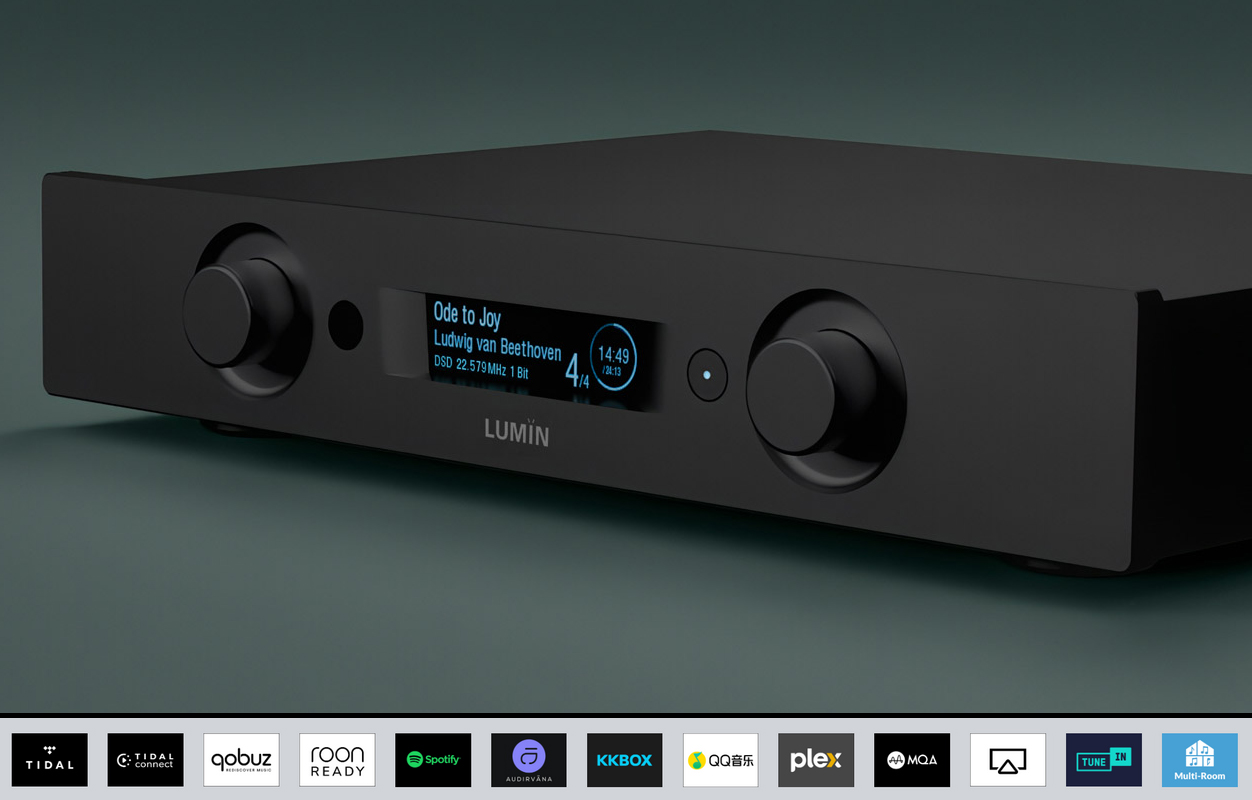
To keep it simple, I heard no difference between both approaches. Whether I used the algorithm to reduce gain prior to D/A conversion; bypassed digital attenuation in favour of analog; or used a combination of both – differences were so minor that I can easily dismiss them as irrelevant or imaginary as long as I kept SPL to my usual 75bto 80dB average. The other observation I made is that I couldn't hear much of a difference either when attenuating a PCM or DSD file. Attenuation seemed transparent regardless of format. That I didn't expect when the Leedh algorithm works only with PCM to first convert DSD to PCM. I expected to at least hear the effect of that conversion yet didn't. Old ears or digital voodoo? Beats me. It just worked. However, I finally did notice a difference when I listened at very low levels. Resolution, dynamics and soundstaging were more resilient during middle-of-the-night ~50dB sessions when I used no digital cut and set gain purely with the Enleum. At normal SPL I really couldn't make out any difference but at whisper level I did prefer no digital cut. So aside from the most extreme attenuation scenarios, the Leedh algorithm performs admirably and is essentially invisible.








This review is already getting long yet the Mini has a few other tricks up its sleeve starting with its preamplifier function. As mentioned already, this is limited to a single analogue RCA input which will accommodate a phono stage for those of us who can't stop spinning vinyl. The analogue signal first digitizes to PCM for Leedh then converts back to analogue through the internal DAC. Eventually something just had to give in this full Lumin package and the preamp stage is not fully transparent. It's quite good and on the occasional vinyl spin won't have a lot to complain about, certainly nothing against any entry-level standalone preamp. Yet there was a difference when plugging my phono preamplifier directly into the Enleum versus running it through the Mini. With the latter my vinyl sounded more like the Lumin DAC and less like itself. I didn't curate my vinyl frontend to be neutral but bold and intense if not ultimately resolved. The Mini toned that effect down a little, normalizing it to how the Lumin DAC sounds – excellent, just not exactly what my vinyl normally sounds like. In the spirit of the Mini aiming to be the single control centre for a simplified system, the analogue input performs quite well and will not embarrass the rest of its abilities but it's here for utility, not to set a new standard. I suspect that's an area where the full-size P1 may pull ahead significantly.
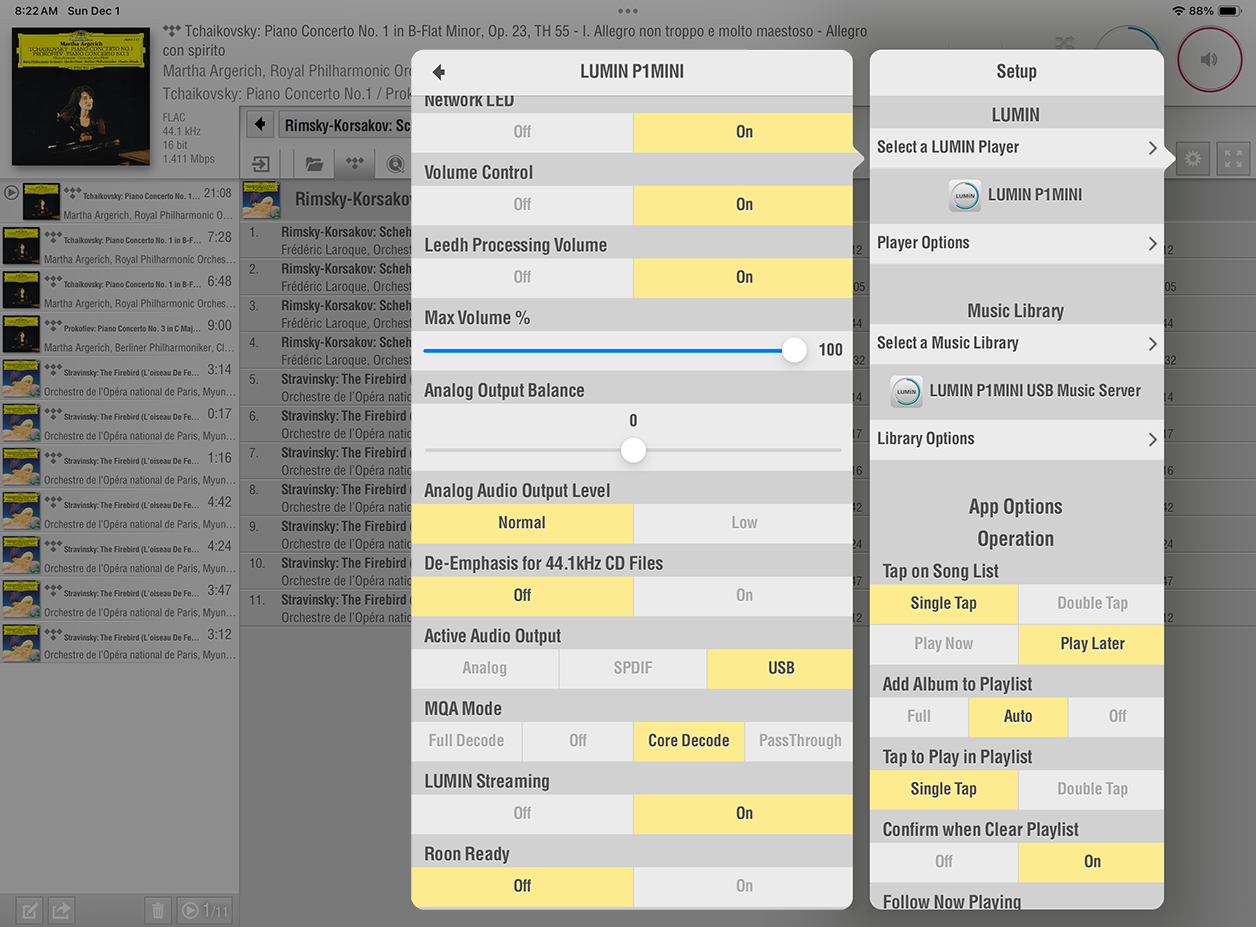
The P1 Mini also provides direct DAC access via S/PDIF or USB which I tested by connecting a Jay's Audio CDT via coax and an Aurender A10 streamer via USB. Both worked very well and confirmed the overall sonic character of Lumin's DAC as being slightly warm, dynamic and well resolved with superb imaging. The DAC earned extra points for being quite considerate to older harsher CD, making those more enjoyable than the Holo Cyan 2 or Mola Mola Tambaqui without quite delivering the same level of rejuvenation as the LTA Aero. The Aurender A10 as a USB source couldn't come close to the internal Lumin streamer. That should come as no surprise considering the age difference and the fact that Lumin skip all noisy USB circuitry when feeding their DAC. The USB B input on the Mini is a useful addition but I don't see many scenarios where you'd want to use an external streamer over Lumin's own. On the other hand that input allows to easily connect a PC and I imagine that's how most people would take advantage of the functionality coupled with the Leedh volume control rather than doing lossy attenuation in their PC.