Country of Origin

Reviewer: Srajan Ebaen
Financial interests: click here
 Main system: Sources: Retina 5K 27" iMac (i5, 256GB SSD, 40GB RAM, Sonoma 14), 4TB external SSD with Thunderbolt 3, Audirvana Studio, Qobuz Sublime, Gustard U26 USB bridge, LHY Audio SW-8 & SW-6 switch, Sonnet Pasithea; Preamp: Hattor Audio ARP-S; Active filter: spl Audio Crossover MkII; Power amplifiers: Vinshine/Kinki Dazzle & mono NC500 Nord Acoustic amps on subwoofer; Loudspeakers: Qualio IQ [on loan]; Subwoofer: sound|kaos D15; Cables: Exact Express Flame, Furutech; Power delivery: 2 x Kinki/Vinshine Tai Hang on amps and source stack, Furutech DPS-4.1 between wall and conditioners; Equipment rack: Artesanía Audio Exoteryc double-wide 3-tier with optional glass shelves, Exoteryc amp stands; Sundry accessories: Acoustic System resonators, AudioQuest FogLifters; Room: 6 x 8m with open door behind listening seat; Room treatment: 2 x PSI Audio AVAA C214 active bass traps
1st upstairs speaker system: Source: FiiO R7 into Soundaware D300Ref SD transport to Cen.Grand DSDAC 1.0 Deluxe with POW; Preamp/filter: Lifesaver Audio Gradient Box 2; Amplifier: Kinki Studio EX-B7 monos; Loudspeakers: sound|kaos Vox3awf; Subwoofer: Zu Method; Cable loom: Exact Express Earth; Power delivery: Vibex Granada/Alhambra, Akiko Audio Corelli Corundum & Castello Solo; Equipment rack: Hifistay Mythology Transform X-Frame [on extended loan]; Sundry accessories: Furutech cable lifts, Furutech NFC Clear Lines; Room: ~3.5 x 8m
1st upstairs headfi system: DAC: Cen.Grand DSDAC 1.0 Deluxe with POW; Headamp: Cen.Grand Silver Fox; Headphones: Raal 1995 Magna, HifiMan Susvara
Desktop system: Source: HP Z2 workstation Win11/64; USB bridge: LHY UIP; Ethernet bridge: LHY EFI; Ethernet reclocker: Stack SmoothLAN; DACs: Gustard R26II; Preamp: Topping A900; Speaker amps: Topping B200 monos; Headphone amp: Enleum AMP-23R; Loudspeakers: Virtual Hifi Viper; Headphones: Final D-8000, aune SR7000, FiiO FT7, HifiMan Susvara Unveiled
2nd upstairs headfi system: Shanling EM7; Headphones: Meze 109 Pro, Fiio FT3, HifiMan HE1000 Unveiled
2nd upstairs speaker system: Source: smsl PL200T CD transport, 1TB microSD; DAC: Shanling EM7; Crossover: Lifesaver Audio Gradient Box II; Amplifiers: LAIV Crescendo Chorus monos; Loudspeakers: MonAcoustic SuperMon Mini with Dynaudio S18 subwoofer
2-channel video system: Source: Oppo BDP-105; All-in-One: Gold Note IS-1000 Deluxe; Loudspeakers: ModalAkustik MusikBoxx; Subwoofer: Zu Mission; Power delivery: Furutech eTP-8, Room: ~6x4m
Review component retail: $999 [~€876 at time of publication]
 |
 |
 |
 |
 |
 |

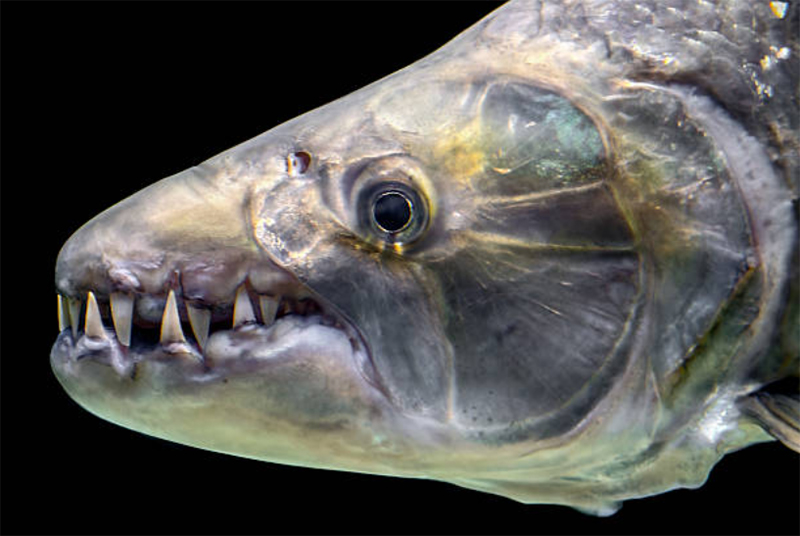
Hello Srajan, many thanks for your email. Your questions made me think back to why we started LHY Audio and how the brand gradually found its direction. You are right about the name. LHY comes from the initials of Lao Hu Yu—老虎鱼—or Tiger Fish in English. A tiger suggests strength, a fish movement and agility. That is about as far as the symbolism goes. We mainly liked the name because it was short, easy to remember and still had a Chinese identity. The fish-shaped logo followed naturally from it. LHY Audio officially became a separate brand in 2019 although its roots go back further. Before that, Jay's Audio had already developed the LPS25 and LPS80 linear power supplies. Working on those gave us valuable experience in low-noise power design and made us look more closely at the other parts of a digital audio system. At first, LHY Audio products sold mainly in China. The response from users was very encouraging. They tried the products in many different systems and shared their experiences with other audiophiles. Over time, these recommendations helped the brand build a good reputation. We then began receiving emails and orders from overseas. Many of those customers had found us through forum discussions or recommendations from existing users. That was when we decided to expand more seriously into the international market and give overseas users access to products with solid construction, careful engineering and good value.
Jay's Audio and LHY Audio come from the same engineering background but follow different paths. Jay's Audio is our CD direction centred on CD transports and DACs. LHY Audio is focused on modern digital playback with products like network switches, master clocks, power supplies, isolation devices, streamers and digital bridges. That second direction became increasingly relevant as listening habits changed. CD remains important to us but many people now also listen through computers, NAS storage, local files and streaming services. Their digital systems may include a network switch, streamer, USB connection, external clock and several power supplies. When we first began looking seriously at this area, we bought and tested quite a few related products. What bothered me was that some of them were very expensive yet when looked at more closely, the construction and internal components did not always seem to justify the price. I felt there was room to do better: to make something solid, use sensible components, pay attention to the engineering and still keep the price reasonable. That was one of the main reasons for starting LHY Audio. Our experience at Jay's Audio was very useful here. We could apply what we had already learned about low-noise power supplies, clock design, grounding, isolation, circuit layout, component selection and CNC construction to a wider range of digital products.








Of course products such as audiophile switches, master clocks, power supplies and isolators are sometimes controversial. Some people call them snake oil and I understand the scepticism. Digital audio is often reduced to the idea of ones and zeros while some claims made in the audio industry are not always clearly explained. We do not try to answer this by promising a particular sound. Every listener has different preferences and every system has a different combination of equipment and environment. Instead we prefer to tell users how a product is designed, which components and materials we use and what problem each design choice is intended to address. Our job is to follow sound engineering and the basic principles of physics, build the product properly and let users make their own judgement in their own systems. We also keep our marketing and company structure relatively simple. I would rather put the customer's money into the chassis, circuit boards, power supply and internal components than into a large brand campaign. This does not mean that we always try to be cheapest. The aim is to make sure that the construction, engineering and performance make sense for the price. Because LHY Audio grew through word of mouth, user feedback has always been important to us. We follow discussions on Chinese and international forums while our team gathers information from emails, technical support and everyday communication with users. When the same request or question appears repeatedly, I pay attention and consider whether it should be brought back into product development. Positive feedback tells us that a design is working well in real systems. It also gives us confidence to continue in that direction. Suggestions from users help us understand different system configurations and often lead to small but meaningful improvements. Quite a few of our product updates began this way.
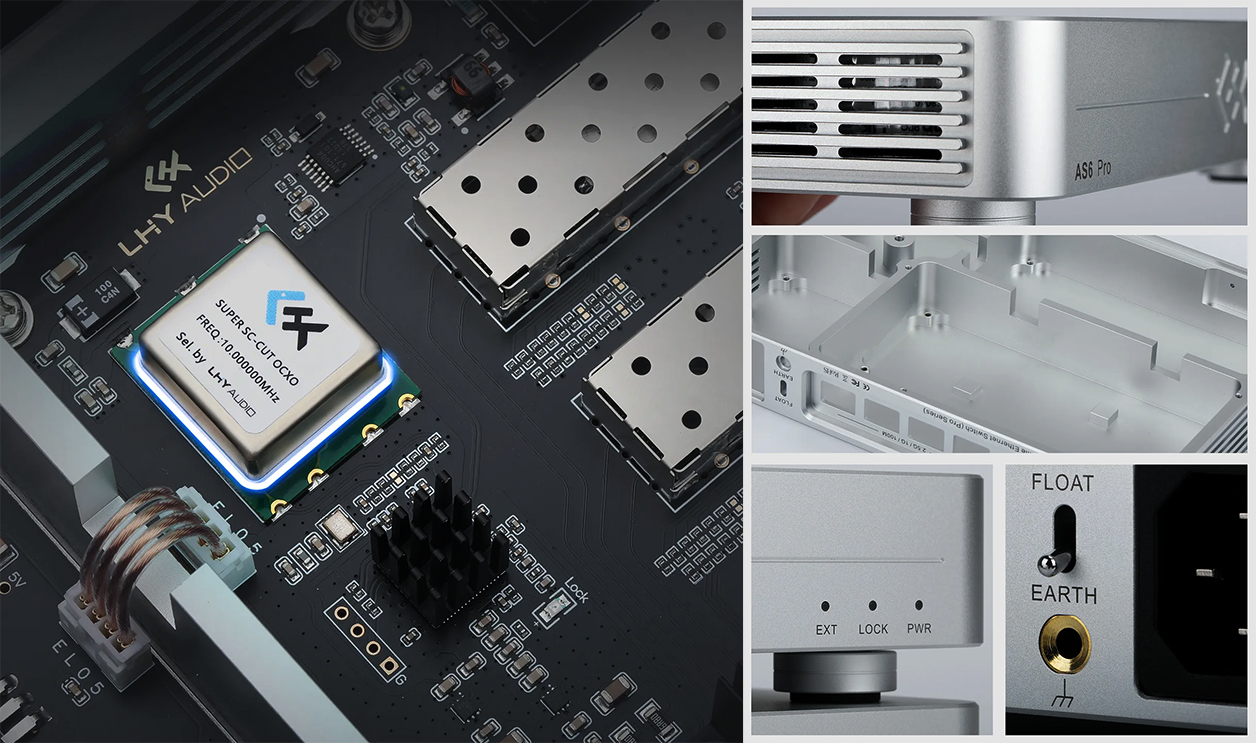
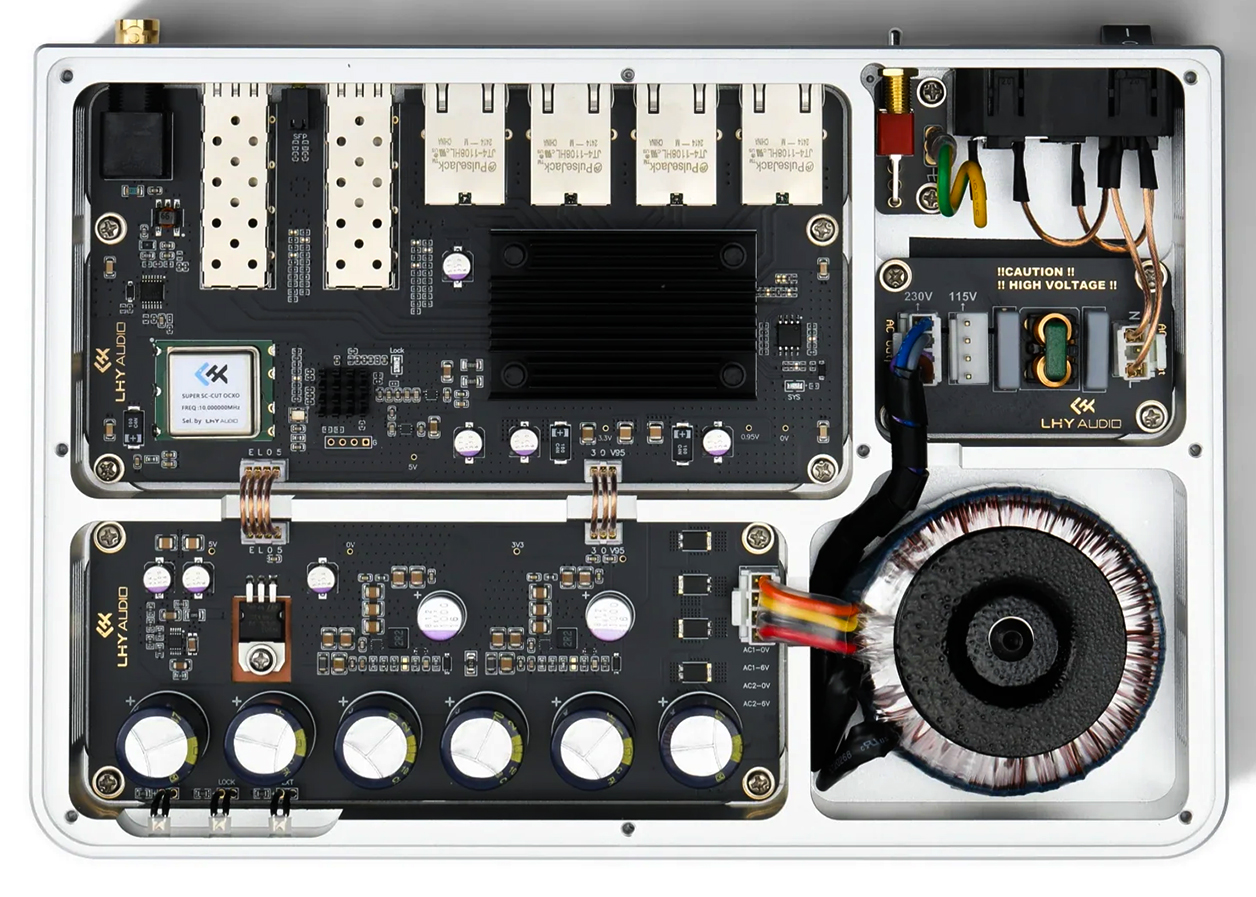
 The AS6 is a good example. The response to it has been especially encouraging and it has become one of our better-known products. Users often mention its construction, performance and in particular, its value for money. For us, the success of the AS6 showed that people wanted a properly engineered audio network switch without an unnecessarily high price. The upcoming AS6 Pro came directly from that process. It builds on the AS6 but also reflects what we learned from users with different systems. It uses a new power platform, higher-speed network interfaces and more SFP ports, giving users more flexibility when building different network configurations. We will continue to improve our existing switches, master clocks and power supplies. At the same time, we are working on new products for different users and different system requirements.
The point is not to introduce more models simply for the sake of it. Each new product or update should solve a real problem or offer a meaningful improvement. Naturally, I hope LHY Audio will continue to grow. But becoming a famous name by itself is not the goal. I would rather have people hear LHY Audio and think of good product, reliable quality, helpful service and having solved a problem in their system. That kind of reputation matters more to me than name recognition alone.
Thus spoke Jay Ho, chief engineer at Jay's Audio and its subsidiary LHY. To describe his latest network switch, we'll let the above photos do the talking. They really do say it all. Ditto for this Goliath Tigerfish, a Congo river native whose interlocking teeth make it a kind of über piranha or baby shark. Lest you assumed LHY's brand mascot was a guppy or serene koi, it's not. Fully grown to 1.5m and 50kg, it's a lethal sweet-water predator rightfully feared by fishermen.