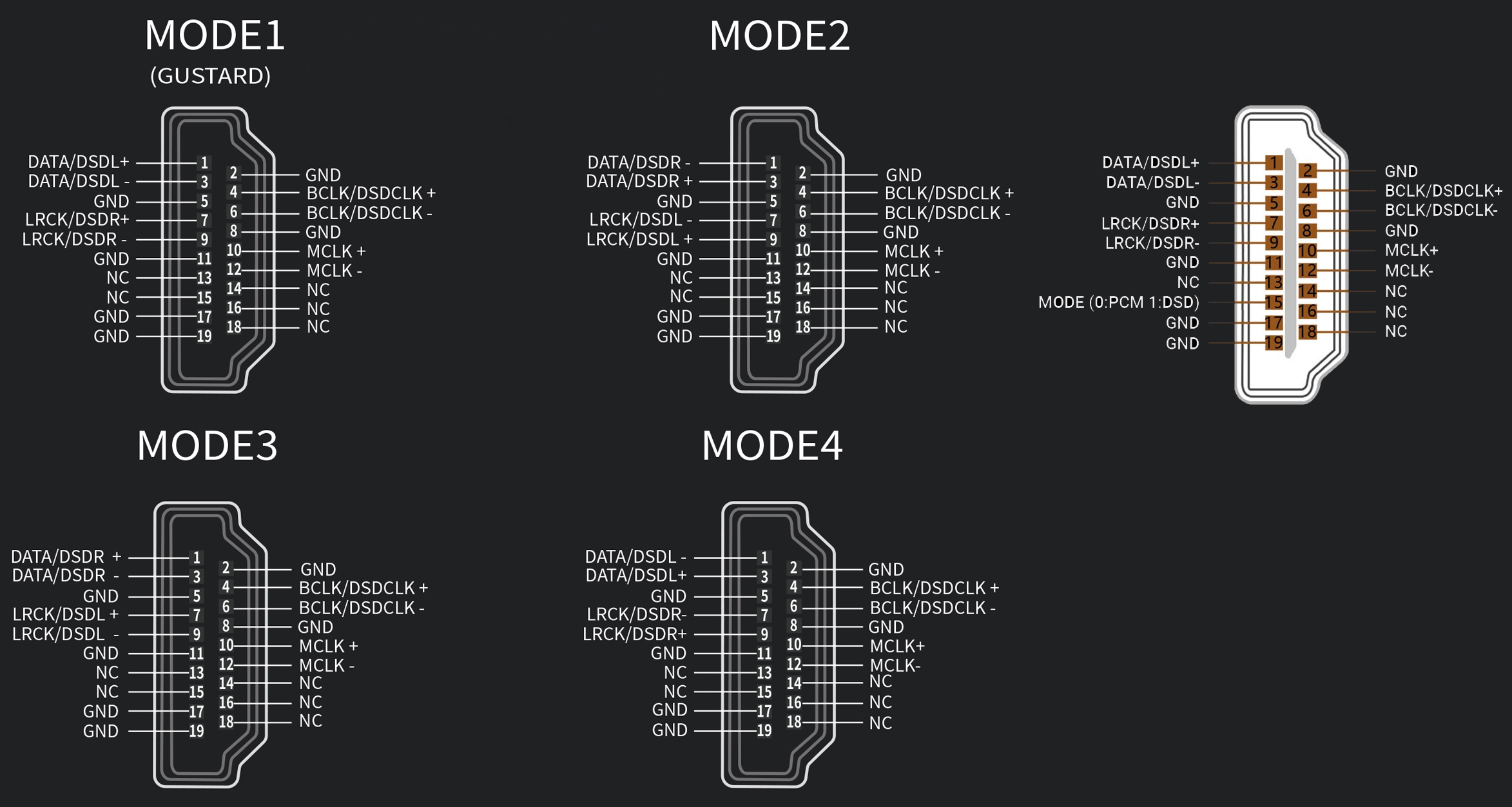
I²S. None of the R26II's configurations use pin 15 for the PCM/DSD flag like the PS Audio 'standard' at right because Gustard's DAC distinguishes formats by clock analysis where the BCLK bit clock and LRCK word-clock frequencies differ between DSD and PCM. It thus needs no flag for any of its pin configs. Otherwise Gustard's default of mode 1 is identical to PS Audio's.
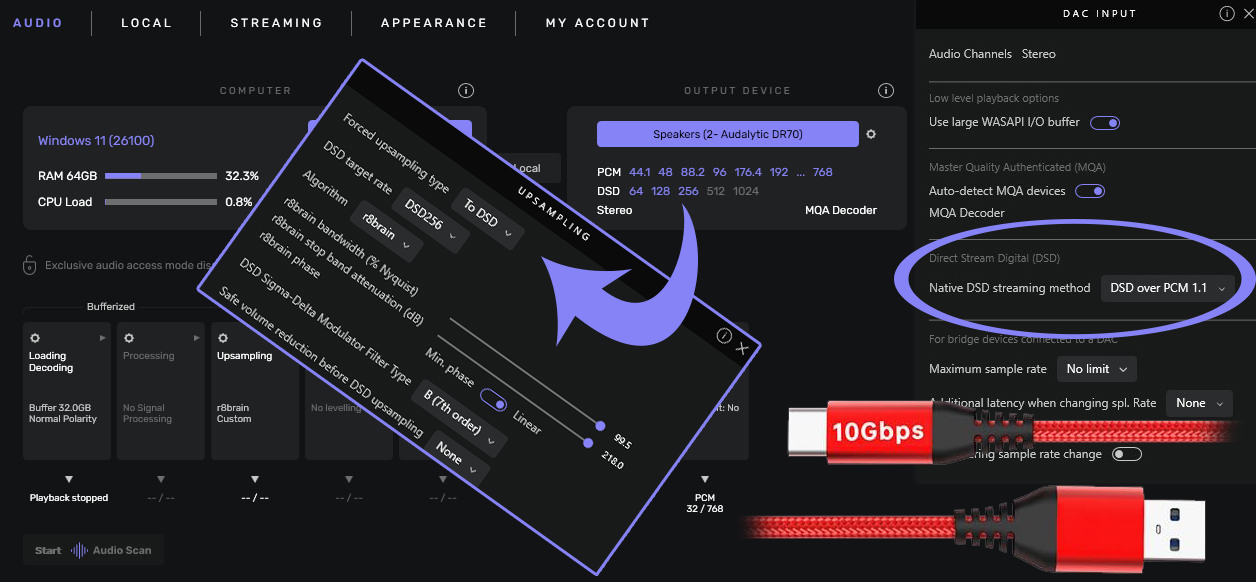
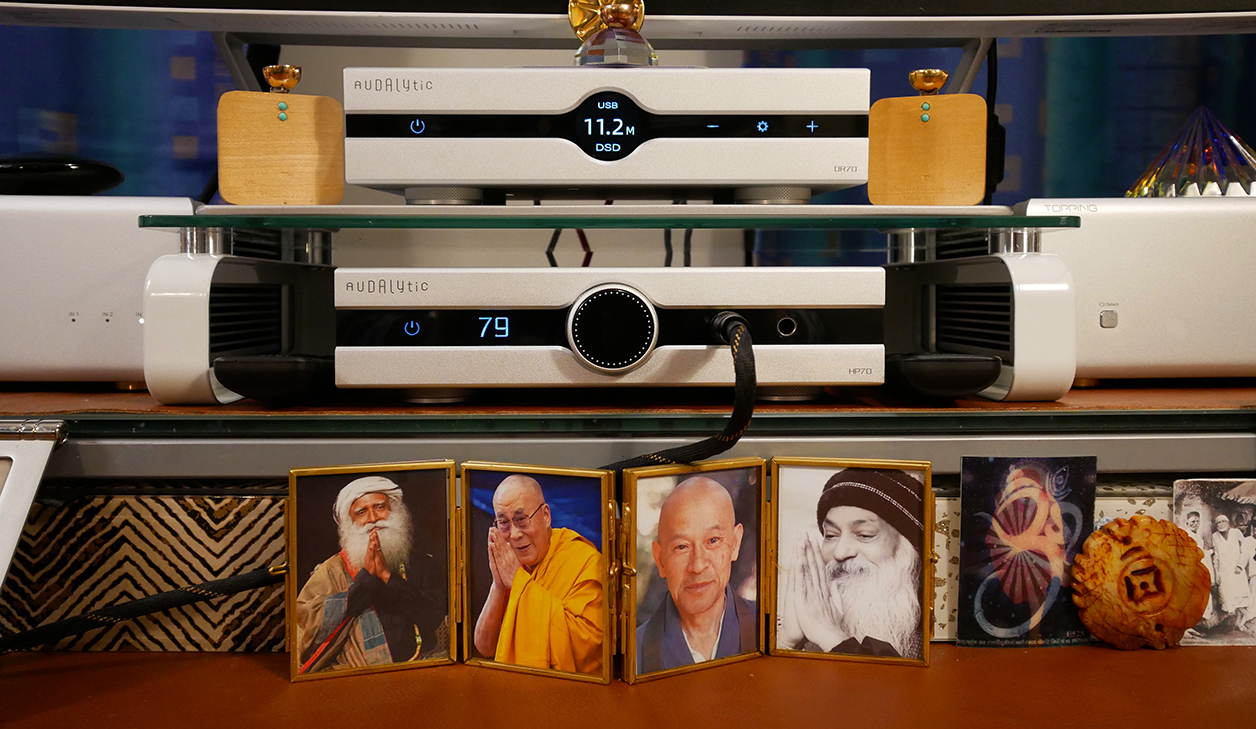
The R26II's USB input handles up to DSD256 via DoP plus native DSD512. Only 16 x (1'024) and 32 x (2'048) require I²S which itself won't do DoP. When in doubt, use DSD over PCM on USB as I've set up my desktop Audalytic DR70 in Audirvana. By default, these DACs convert DSD to PCM. To hear actual 1-bit decoding, we must enable DSD Direct in the menu to bypass the internal FIR interpolation filter and R2R ladders. With my DR70, that sounds better than unwittingly having the DAC resample DSD to PCM. For PCM the R26II has three filters: fast/default, medium/recommended and slow.
Finally we see the low-pass filter output stage next to the two R2R ladders with OnSemi silicon planar epitaxial transistors. A personally important question due to radiation sensitivity: is the R26II's Bluetooth transmitter always live or only fires up when selected as active input? If it can't be defeated when not in use, I'd not be able to proceed with a review. Strong radiation gives me headaches.









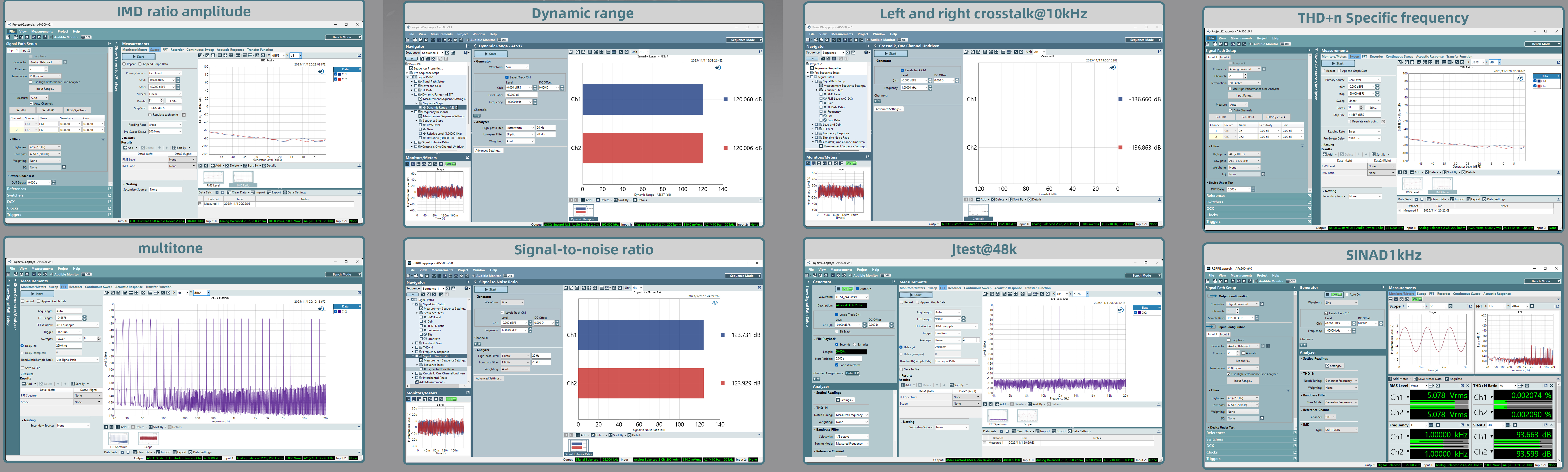
For the shiny specs at max gloss, right-click this image to open at full 7800px width in a new window.
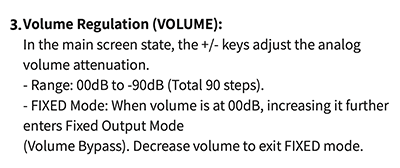 Just then Audiophonics.fr as my regional Gustard reseller listed the Denafrips Ares 15th discrete R2R DAC at €1'475 close to the R26II. The Denafrips handles PCM 1'536, DSD1'024, uses a single 60VA power toroid, no streamer board, no 10MHz clock port, no volume control. This nicely points at the R26II's value-added aspects going up against one of the 'oldie' brands of this genre. For the original R26, Audiophonics had this: "Does not support standalone network playback. Cannot access streaming services directly. Requires a 3rd-party app like BubbleUPnP, Mconnect, Roon or Audirvana for music control and playback." That limitation remains in place. To access the antiquated web interface once the R26II is on our LAN, we type r26.local into our browser. Qobuz/Tidal Connect are noteworthy for their absence. The manual of the original R26 mentions a -90~00dB digital volume control whilst offering a separate -30dB voltage cut to minimize resolution loss from deep digital attenuation. Under attenuation, DSD converted to PCM. The R26II manual distinctly says analogue volume across the same 90dB range. That's excellent news for amp-direct users keen on lossless attenuation; and allows simultaneous pure 1-bit decoding. The remote control remains the same generic plastic wand that comes with the Audalytic gear to predict the usual comments. To wrap my remote viewing—nothing psychic, just specs and photos—Gustard's new R26II for the same ~€1'600 as its predecessor appears to offer a lot. Given my enthusiasm over the performance of their €399 Audalytic DR70 plus a rare Darko award for the big R30, I was naturally keen to lay on ears.
By February 8th, "due to the approaching Spring Festival, there's a significant order backlog causing no units being available for review. I'll do my best to send you the R26II review sample before the holiday. This will be the first R26II review sample worldwide." I congratulated Chengshi on the popularity of their new model and swallowed a few patience pills. All was in order and the temporary interruption in communications due to having no good news to share. About Gustard, "we're an audio equipment company based in China's Shenzhen, with R&D at its core deeply integrating design, production, assembly and testing. In the early 2000s, our domestic market was largely dominated by international brands with limited product variety and high prices. A basic DAC often cost over ¥10'000, making high-quality hifi inaccessible to the average Chinese consumer while the entry-level lacked compelling options. Although a few domestic brands offered relatively affordable products, there was room for improvement on tech innovation and value. Against this backdrop, two audio enthusiasts jointly founded a hifi studio in 2010, embarking on a journey to independently develop high-fidelity high-value hifi products. Their mission since has been to integrate exceptional audio experiences into the daily lives of music enthusiasts. Following the launch of their products, user feedback was highly positive. Sales continued to grow steadily. By 2013, the company officially registered as Gustard. The team gradually expanded, increasing investments in R&D as well as production capabilities. Currently we employ over 20 people. Annual product sales reach several thousand units. The brand name holds no special English meaning. It's a phonetic translation of our Chinese name. In the early stages our team focused primarily on the domestic Chinese market. Little consideration was given to the meaning of an English translation. Over time Gustard products gained worldwide recognition. This led to some confusion among international clients about the name. However, given our brand's established market recognition, changing it then no longer was an option."