That the MOB3 took a step back on spatial framing compared to my monitors wasn't a shortcoming per se. The Dutch prioritize openness and sheer scale so stage larger, more spread out and are inherently less insistent on pulling the listener in, ultimately trading some envelopment and depth for breadth. That this reduced some nearfield intimacy I'm used to was a fair trade. I saw it as a different way of organizing space. As a listener, I value the MOB3's spatial might and sense of momentum just as much as I'm fond of the rare imaging qualities and immersion my Vox monitors deliver. There's more. The way the former goes about its business feels as if the space busy with images could expand well beyond my room's physical limits. While in that listening space the Swiss compacts sound exceptional, on that front they naturally can't compete with the MOB3. The same applies to the overall sense of ease and propulsion.
As far as absence of spatial constraints, sheer imaging scale, lightning-quick and immensely impactful bass were concerned, I've praised quite a few speakers over the years. Avantgarde Acoustic Duo SD, Voxativ Alberich², Boenicke W11 SE+ and sound|kaos Libération all struck me as truly gifted standouts in these areas. That said, in this crowd only the Reflector Audio Bespoke P15 two-way would match and possibly surpass the MOB3. As outlined earlier, going boxless is essentially the only viable route if one intends to compete with designs like this on such athletic terms.









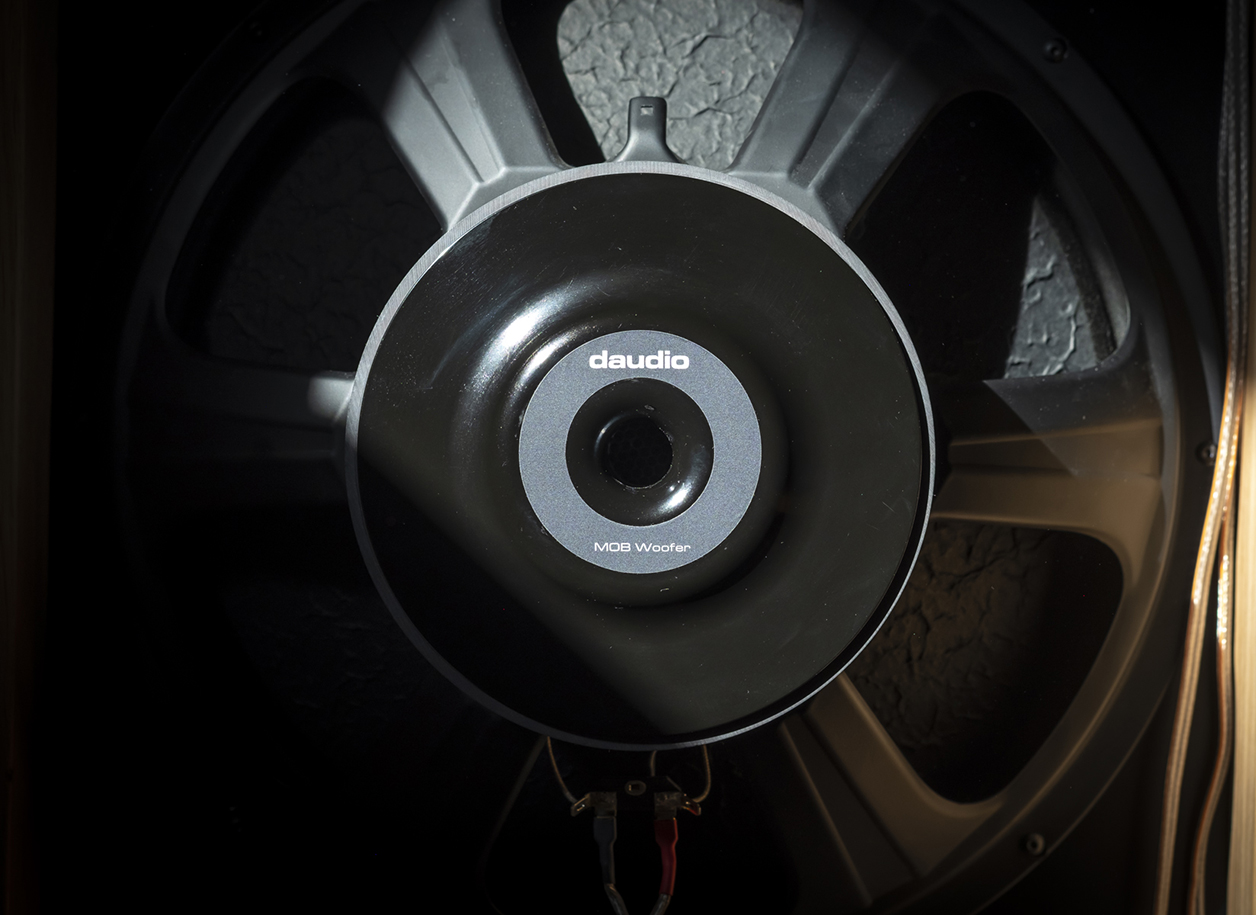
It so happens that today's arrival was the most affordable of my group to make it a rather special proposition. Enthusiasts of the breed already know that ported designs aren't its primary competition. Other open-baffle solutions are, preferably with dual 15" woofers. Think Spatial Audio, PureAudioProject and others in a similar price bracket. I haven't heard any of them so won't speculate how they stack up. What I do know is based on what the MOB3 does and how to clearly see value. Lastly, when I referred to its finessed behaviour, I had in mind a presentation that is lively yet smooth, generously detailed, specific and lucid. The MOB3's voicing is neither dark nor overly weighty. Quite the opposite. It feels very springy, tactile, fresh, informative and rich in tone and texture which—on top of its insane bass—works equally well with unamplified string instruments, ferocious synth-driven material and pretty much anything in-between. All in, the MOB3 is a speaker you can listen to for hours and enjoy across genres without fatigue, just as its makers intended. Let's wrap.
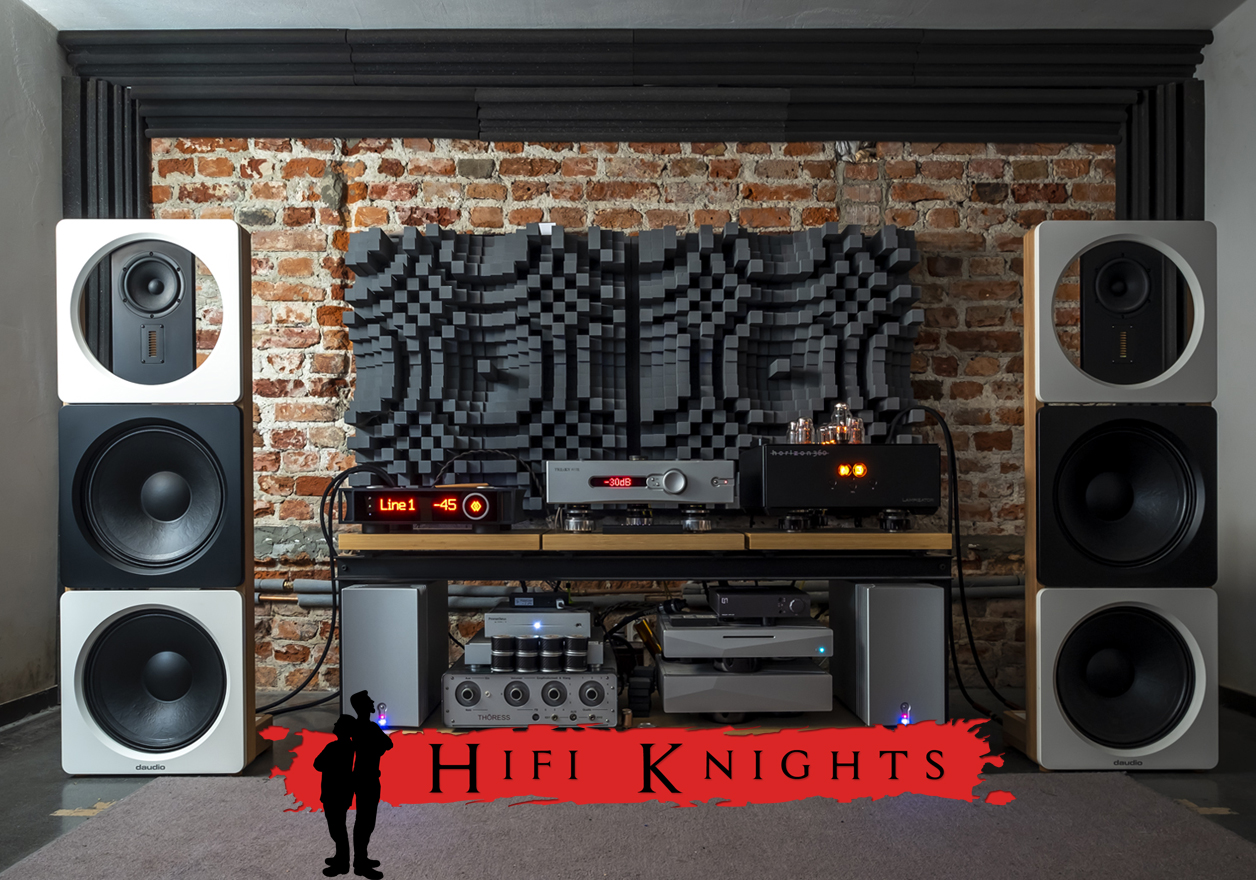
Willingness to accommodate something as large as the Daudio MOB 3 is essential here. This is a bold effort aimed primarily at an already familiar sold audience. That said, I believe any loudspeaker enthusiast should at some point experience what a boxless design can do; how radically different it sounds and, quite frankly, how much better it can be than ported alternatives. The MOB3 made that point abundantly clear. That it fully embraces its dipole pedigree and builds a coherent sonic identity around it is its strength. What ultimately defines this speaker is how it moves air. The sheer effortlessness, speed, elasticity, directness, flow and composure baked into its voicing create a glorious big-bore experience that most conventional competitors simply cannot match. Nicely executed, finely dressed and priced very much in line with how it performs, the MOB lands in my book squarely in the wicked-good category—exactly where it belongs. Have a listen. You may agree. Odds are you might also come away second-guessing every non-dipole speaker you hear from that point on. Consider yourself warned…