Present regardless was a deep black background, an absolute stillness between sounds which ensured an exceptionally clear transparent layering of the stage in which nothing blurred or became fuzzy, provided the recording was of quality. This blackness was probably the reason for another interesting phenomenon, one that I certainly haven't experienced with cheaper DACs like my Wavelight. With it, my recorded venue impression appears more or less simultaneously with the first sounds. With the Brinkmann, I sensed the recording space already before the music commenced. My assumption is that very subtle acoustic reverb components are responsible which the Nyquist One didn't obscure into the grey of the background but still marked as subtle presence for a more convincing illusion of recorded space. Back to the beginning and Scout Niblett's 2013 album It's Up to Emma with its opener "Gun"—a small revenge fantasy in just a few notes, sparsely instrumented with just electric guitar and drums featuring dynamic bursts and very intense vocals reminiscent of early PJ Harvey—it almost sounded as though this minimalist raw number was recorded in one take so very immediate even though the album was produced by Niblett herself and not Steve Albini as was some of her previous work. In short: a great song. One might assume that its raw lo-fi aesthetic would only moderately benefit from sophisticated high-end equipment but I would vehemently disagree after hearing it with the Brinkmann. Here all the virtues of this high-end DAC converged perfectly.
First off, that space presented again, the feeling of the venue even when no actual sound played: an illusion of course but a beautiful one! The decay and reverberation of drum hits and guitar riffs were clearer and lingered longer than I usually experience. And speaking of hits, dynamically things were in a different league. This wasn't through sheer bass mass and power for which the Brinkmann is too neutral but transient suddenness and impact. Drums practically exploded into the room. Then came vocal reproduction: clearer, more precisely defined, less broad than usual, rather spot-on and three-dimensional with wonderful internal dynamics. Yes, even guitar feedback benefitted from the high resolution. Contrary to the cliché of cold analysis, this sonic X-ray view actually evoked the immediacy and presence of the instrument and its sound. So perhaps that was the Brinkmann's central virtue. It generated an almost radical immediacy of the playback event where others reproduce it in a softer, more distant, diffuse or polite manner. Great class from many small details if you will.










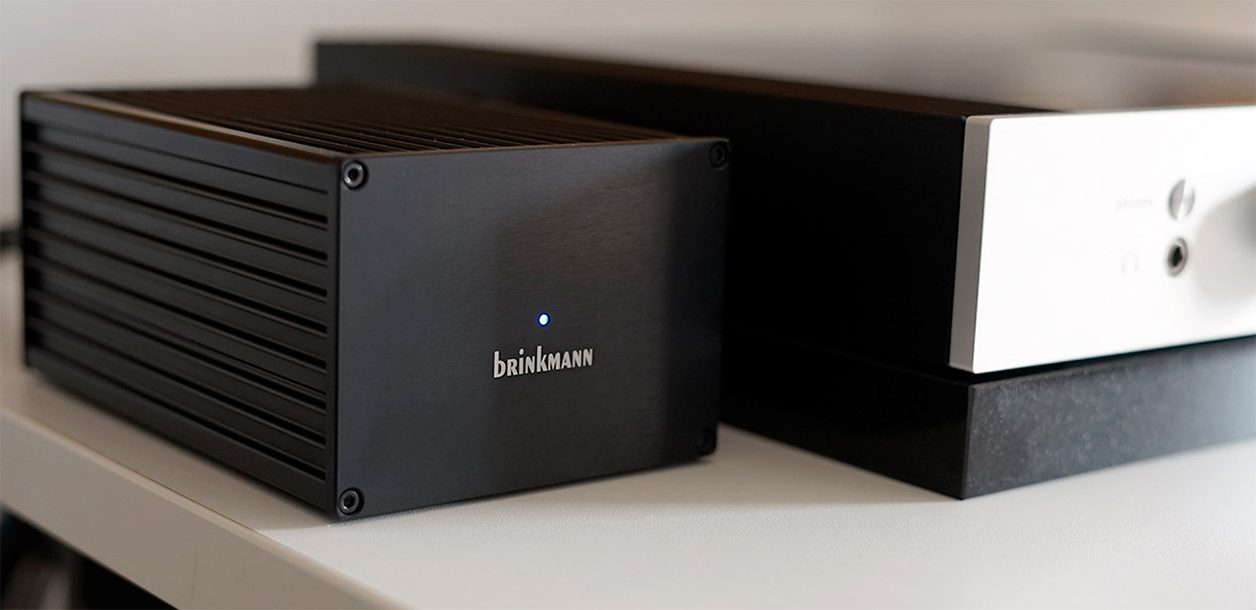
Of course even in the realm of costly high-end DACs, there's a perfect match for every taste where components of different sonic characteristics aim at a variety of listening habits and preferences. Surprisingly often then, I've encountered D/A converters with a slightly sonorous character. Some aimed to impress with their dynamic range, others strove to enchant with an exceptionally immersive soundstage. The Brinkmann on the other hand seems designed in classic purist style. This applies to its tonal characteristics, its faithful spatial reproduction which recreates the recording environment rather than stages in fixed mode. It also applies to its dynamics which transmit impulses with unmitigated suddenness, don't gloss over nor over-sharpen. Its very high resolution and deep black background perfectly complement this performance. I found this approach charming not least because we're dealing with a tube DAC of precious little trace of the typical stereotype. Above all, it proves once again that consistent avoidance of artificial flavours can be incredibly beneficial to the sound; and ultimately our emotional connection with the music. The longer I listened to the Nyquist One, the more I appreciated this sonic purity.
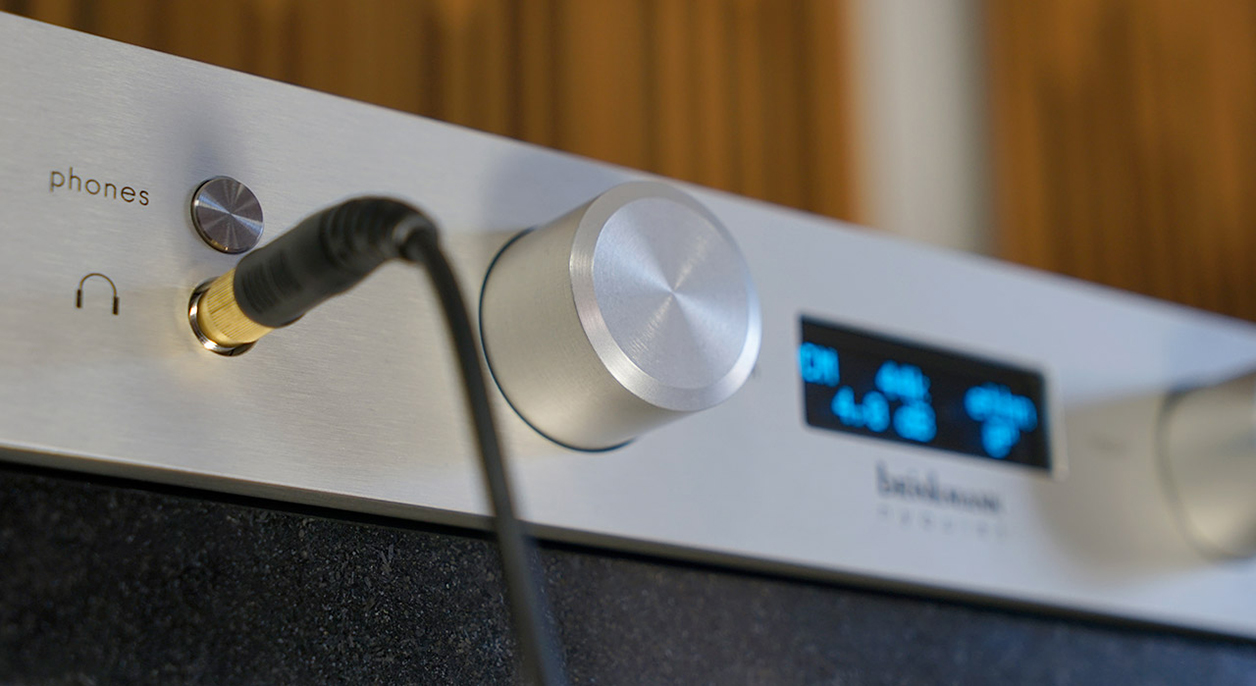
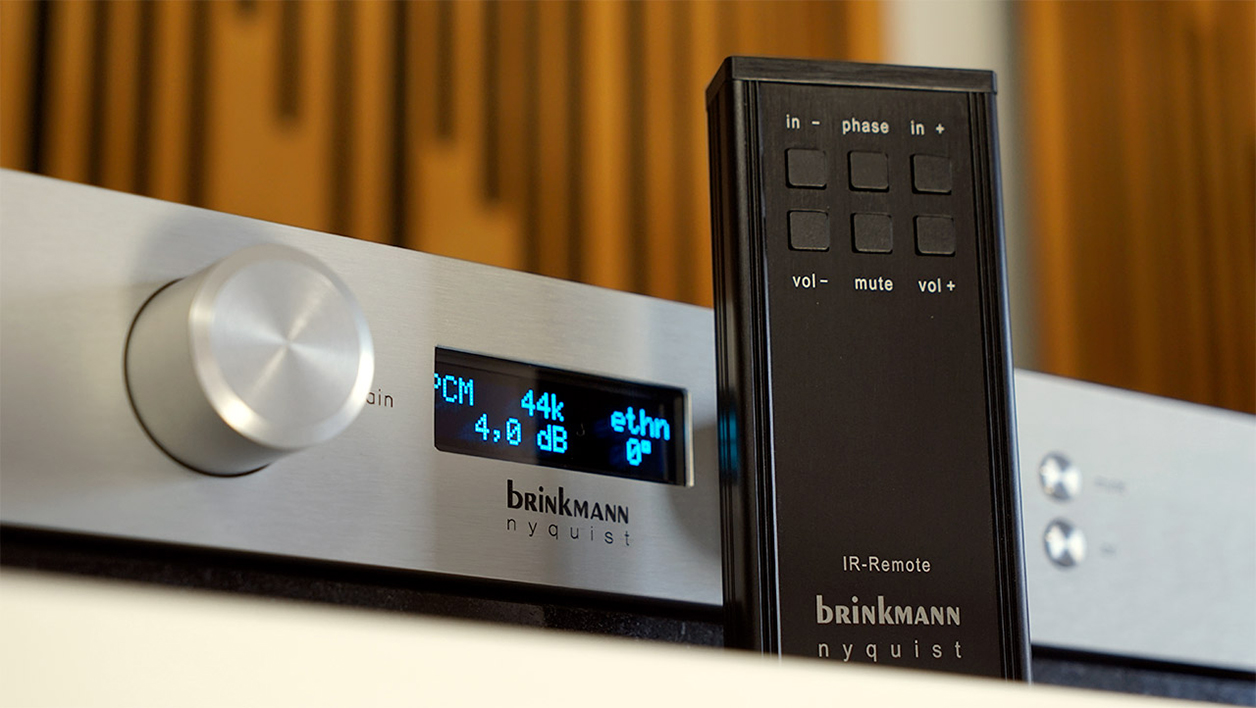 The remote allows source selection, phase inversion, mute and volume . However, the latter only functions normally for headfi. For the line outputs it becomes an up to 10dB gain adjustment instead.