However, I also noticed what felt like a slight regression of dynamics though "Misty" seemed to have gained overall expressiveness. The explanation for this apparent contradiction could lie in the fact that higher noise levels are perhaps perceived as more dynamic because they are fizzy and restless. When these artifacts vanish, the sound calms and is initially perceived as less energetic. However, perceived signal-to-noise ratio increases which makes genuine impulses more coherent and expressive. It may be that audiophiles learn to pay closer attention to such subtleties and casual listeners come to a different conclusion. I checked against many of my usual test tracks and found my impressions mostly confirmed. With electronic music like "Direct" by Ghost it was a bit trickier to pinpoint sonic improvements based on individual criteria but the track's typical synth sounds shed a subtle grey veil whilst the bass was cleaner and more defined. Ultimately the SmoothLAN network filter was an effective tool for improving my streaming quality but the Regenerator was still more appealing because the sum of its audible improvements wasn't small. This was particularly noticeable when I once again sat in front of the system without any Stack in the signal path. Intrigued, I naturally wanted to know whether in combination I might net delightful double trouble. First, the passive preceded the active filter. "Helplessly Hoping" ran again but now the three siblings sang a little too civilized for my taste, not quite as engaging as with just the active regenerator. Their performance per se was actually perfect but at the same time, you could tell that they'd done it countless times already. That was the underlying impression of double filtering. Furthermore, I thought that I detected a slight transient emphasis especially with sibilants and the high steel strings of the acoustic guitar. When the passive followed the active to then feed my Innuos Zenith SE, the slight transient emphasis seemed to dissipate into a somewhat brighter overall tonality. However, this now felt less grounded and substantial while soundstage dimensionality reduced a bit. Even in this configuration I heard no real advantage for slaving both Stack devices in series.
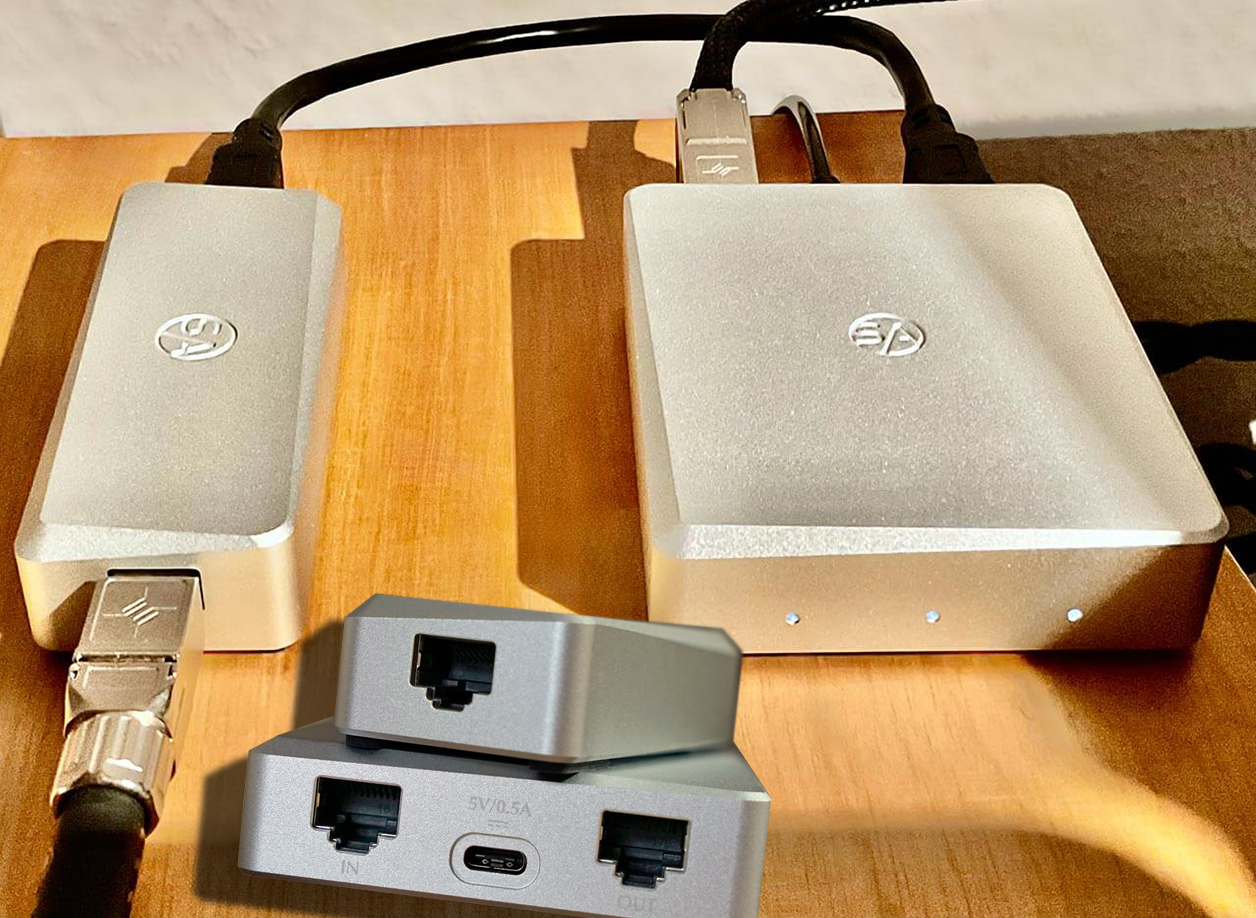










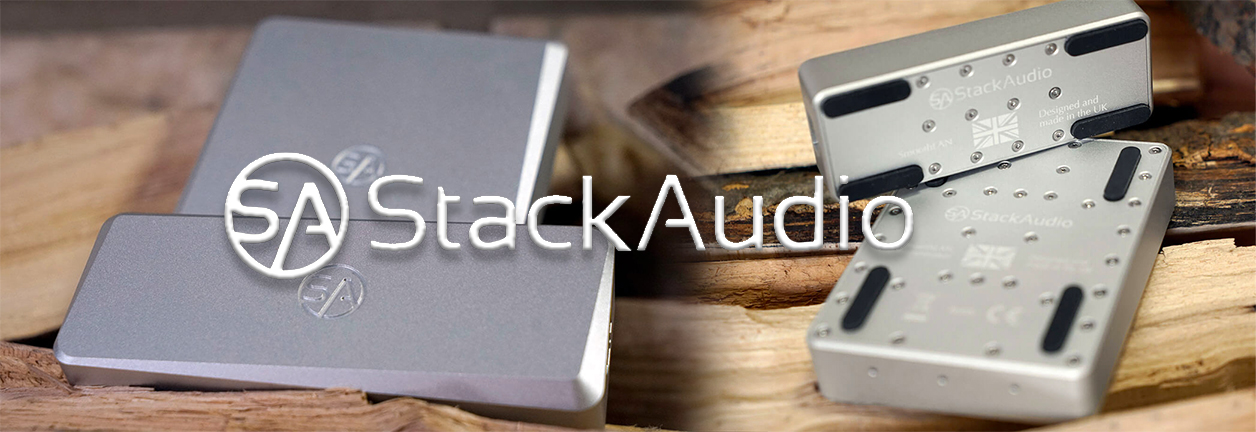
Once again, differences during a networking review were noticeable though according to popular opinion, they shouldn't be. Surely the hifi world would be easier to understand if that were the case. Fortunately, no one is forced to 'improve' their Ethernet stream. For those who want to try it, the Stack Audio SmoothLAN provides a cleaner more defined sound and greater peace and quiet when needed. It also seems to encourage musicians to play with more energy as it were. These are changes one would expect from upgrading to a better often more expensive Ethernet cable. Given the high-quality construction and reasonable price, this little box comes highly recommended. Thanks to Stack Audio's 60-day money-back guarantee, you don't have to buy a pig in a poke. The active SmoothLAN Regenerator is more expensive but still affordable and offers a performance boost in turn. It delivers everything that distinguishes its passive counterpart but at higher intensity. When it regenerates the data stream, its resolution increases. Furthermore, it seems to add a touch of warmth. Those who consider such features worth the ask—which likely applies to many high-end enthusiasts—will probably opt for the active Stack Audio solution. The question remains whether combining both devices has an upside. Not in my opinion and system but that doesn't rule out the possibility that a different system might produce a sonic revelation. Anyone who's curious shouldn't hesitate to experiment given the generous return policy.
Facts.