

Country of Origin

 This review first appeared in Feburary 2026 on fairaudio.de. By request of the manufacturer and permission of the author, it is hereby syndicated from the German original to reach a broader English audience. Ed.
Reviewer: Frank Hakopians
Analoges sources: TW-Acustic Raven AC w. Graham Phantom B-44, Analog Tools or Pyon Sound Iris arms and carts of Steinmusic Aventurin 6, Lyra Titan i, Clearaudio Charisma V2 and a modified Denon DL 103R; Other: Musikus by LaMusika platter clamp, platter mats from LaMusika, Dereneville und Steinmusic, Dereneville DAE-01SP motor controller
Digital sources: Rockna Wavelight+, Innuos Zenith SE, Electrocompaniet EMP-2
Integrated amplifiers: Analog Domain Isis M75D, SRA Melissa
Preamps: Silvercore Linestage Two and phonostages Chord Symphonic, Rike Audio Sabine III, TW-Acustic Raven Phono
Power amps: Dartzeel NHB-108, Tenor Audio 75 Wi monos
Loudspeakers: Acapella La Campanella & Harlekin 2
Cables: Vovox Textura Fortis, Analog Tools Reference Serie, Bastanis Imperial, Analog Tools Reference Serie, Akeno Audio Ultimate, Symphonic Line Reference, Acoustic Revive Absolute, Steinmusic Highline, Analog-Tools Phono
Power delivery: DIY strip with Furutech-FI-E30-NCF sockets
Racks: Copulare and Audio Lignum, platforms Symposium Acoustics und Acapella, Symposium Precision und Ultra und Super-Coupler
Accessories: Isotek EVO3 Super Titan, isolation transformers by Steinmusic, Harmonix RFA-7800 Room Tuning Devices, fuses by AHP-Klangmodul IV G, Steinmusic Harmonizer, AHP II Copper, Hifi-Tuning Supreme 3 and Audio Magic SHD Beeswax Ultimate & Premiere Ultimate
Listening room: 23.4m², 2.64m ceiling
Review component retail prices: €274 & €856
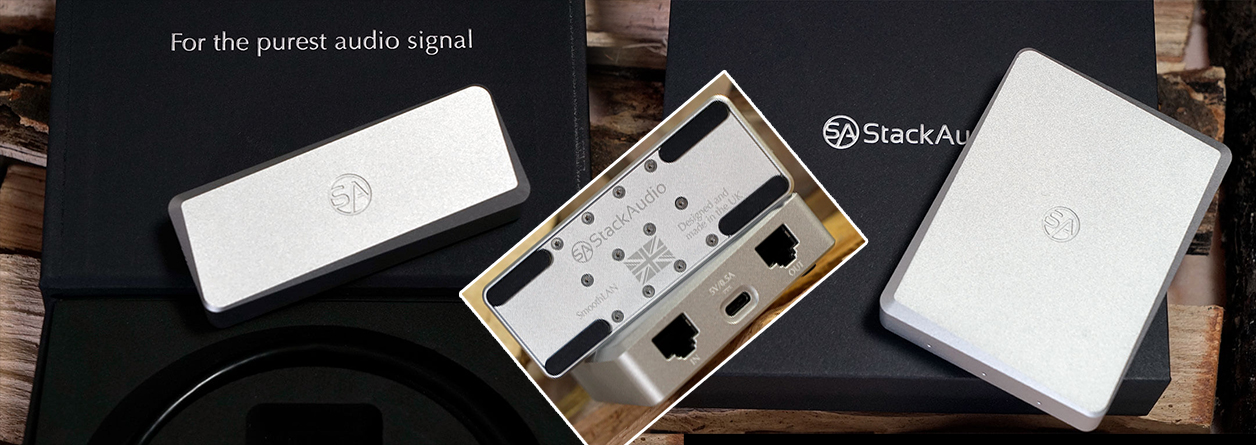
Stack Audio. Does that have a familiar ring? It ought to. We already reviewed three products from these UK-based specialists. Those had been 'analogue' sonic enhancers by way of Auva EQ equipment isolators plus the Serene Mat & Stabilizer, two vinyl playback improvers. By consistently offering excellent ROI, the lot found its way into the personal system of our co-publisher Ralph Werner and received our Favourite Awards. Now it's my turn to partake from this relatively young brand. I felt initially discombobulated when learning that I'd get their SmoothLAN network filter and SmoothLAN regenerator. Those names suggest digital accessories not analogue tools. Apparently the British company is quite versatile when it comes to sound tuning. Whilst the SmoothLAN network filter is passive, the SmoothLAN regenerator is active because it doesn't just filter and clean but regenerates/reclocks digital signals that must travel across an Ethernet cable supposedly impervious to sonic damage. On price, both exhibit Stack Audio's almost customary restraint. The SmoothLAN bags a mere €274 and even €856 for the Regenerator shouldn't cause financial hardships for typical dyed-wigs audiophiles.
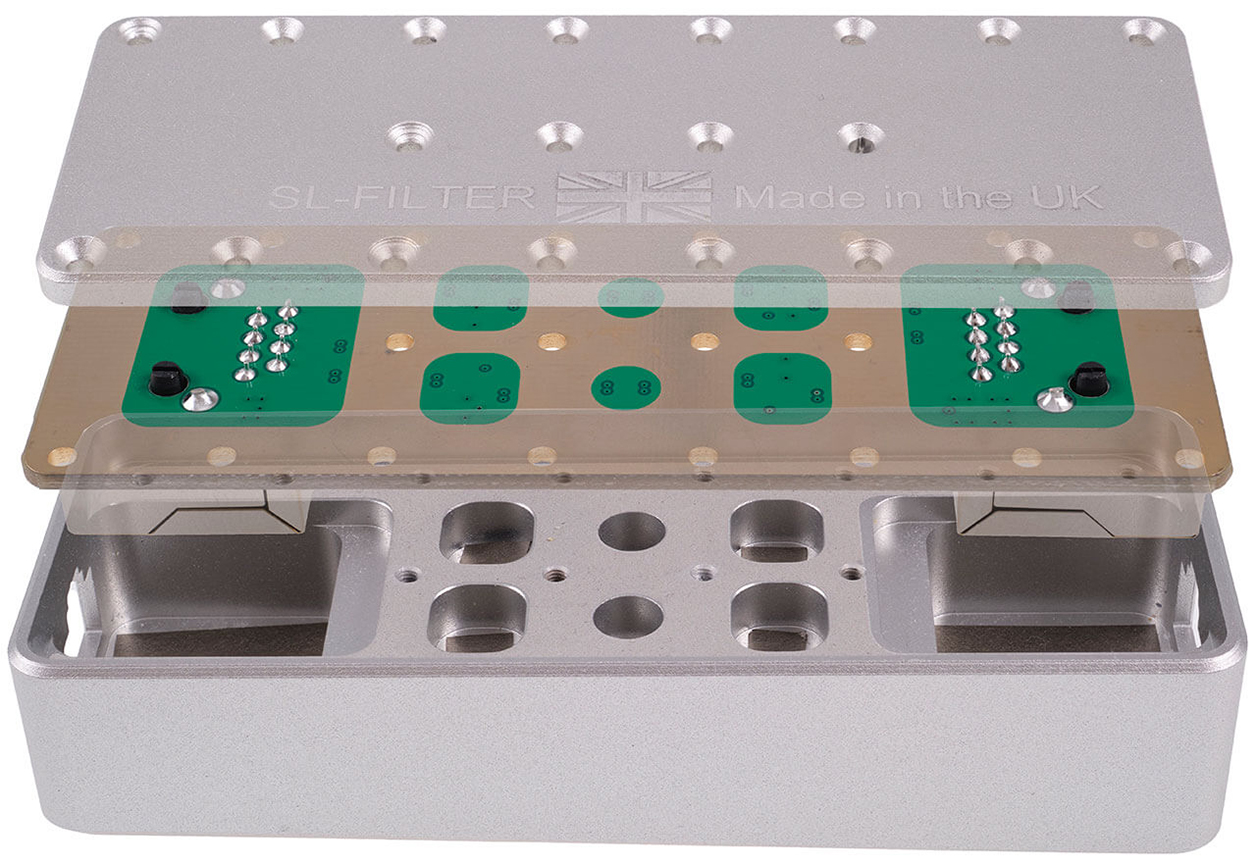
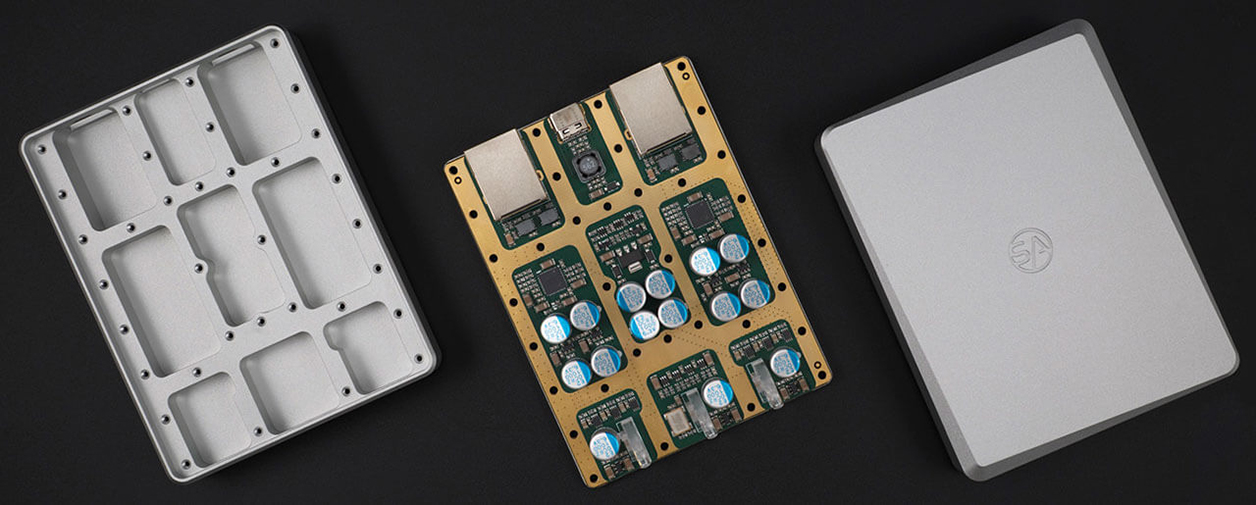
When we review digital filters and deem them suitable, there's a good chance of inbound letters from well-meaning digital experts and network engineers who express bemused sympathy for our apparent ignorance on the matter. A discussion surrounding the recently reviewed Eno2 digital filter by Network Acoustics serves as example. But a fairaudio author can't be a chicken. We got to be foxes. Besides, I'm comforted by the fact that transmitted digital information closely approximates an analog square-wave signal. That is very much susceptible to EMI, grounding issues, poor Ω matching and more. Unpacking the loaners meant joy. The sight of these will delight fans of high-quality housings milled from solid aluminium. You'll find yourself repeatedly running fingers over cold metal for no apparent reason other than that it feels good. The cases appear to be without visible screws but turning them over reveals otherwise. The bottom of the passive SmoothLAN secures with 20 precision screws, the SmoothLAN regenerator boasts an impressive 34! This screwy excess provides airtight isolation of the individual circuit components as the milled sub chambers housing the functional blocks with their integrated circuits mean to seal hermetically. Within these chambers, respective circuit parts isolate from the environment and each other. This effectively reduces RF interference from external sources or the circuits themselves. The passive SmoothLAN not only provides galvanic isolation but extensive isolation of the system's network input from the home network. This is achieved using six so-called isolation circuits each in its own chamber. Stack Audio further coat these chambers with EMI-absorbing materials, thus preventing interference and reflections that could impair performance.
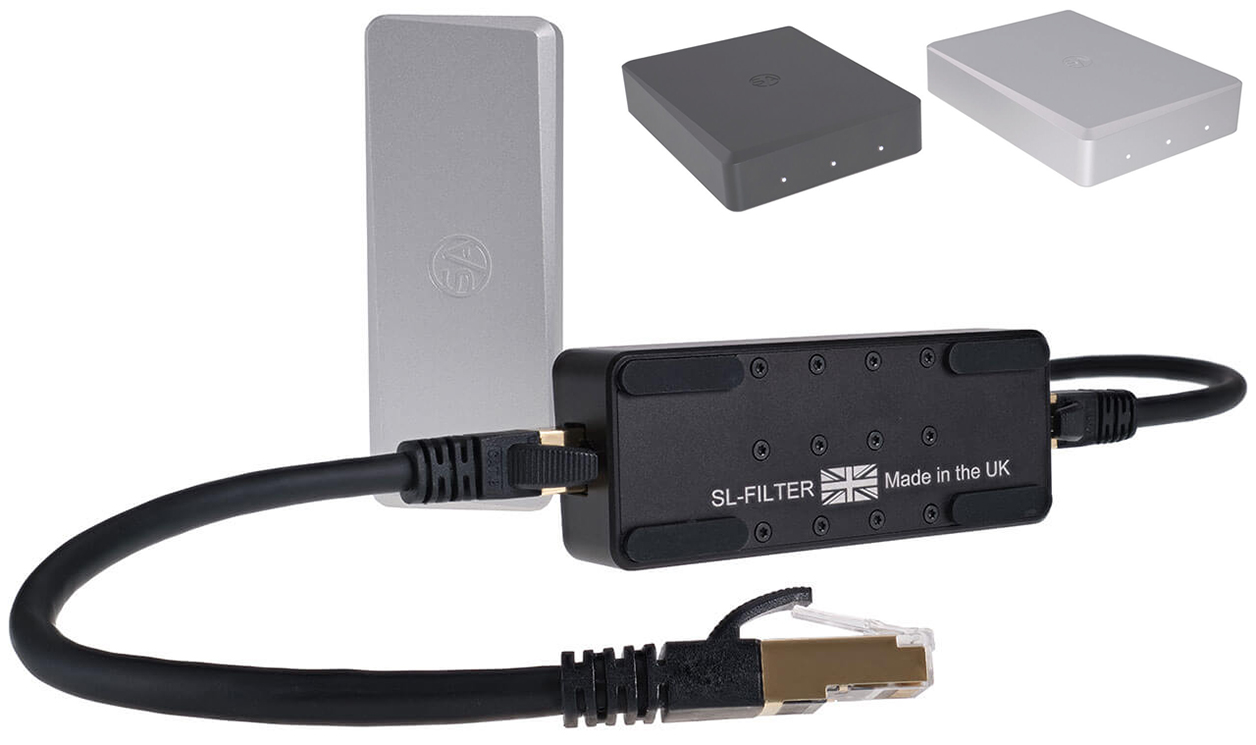












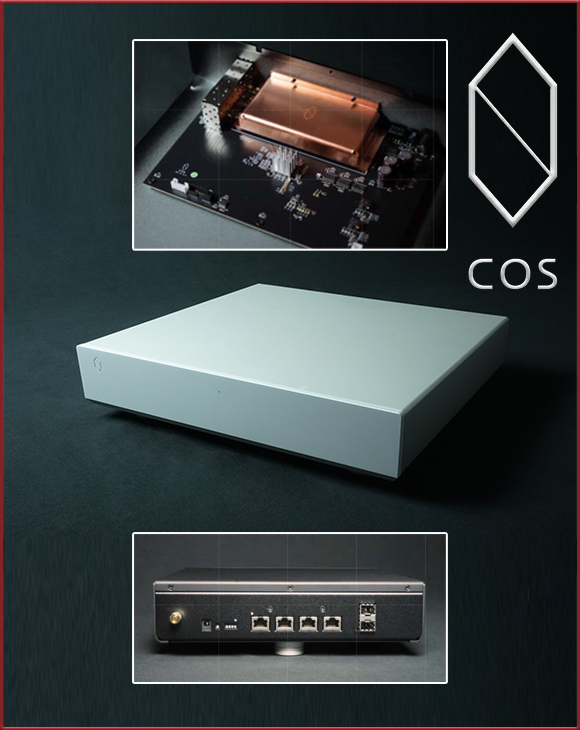
The Regenerator which is physically somewhat larger pursues even greater sophistication. In addition to passive dual-filter elements at the i/o, it features three cascaded jitter-damping elements to ensure a resynchronized data flow with minimal phase noise. To achieve this, it employs a high-precision clock housed in its own isolated cavity to protect it from thermal fluctuations and electromagnetic interference for a cleanly re-clocked data stream. The SmoothLAN Regenerator powers from a specially designed switching supply. Tuning attempts with linear power supplies are possible in principle if a suitable USB-C umbilical is on hand. Nice and slow? Data transmission for both filters sits at 100Mbps perfectly adequate for even high-resolution formats. Limiting the speed ensures lower RF interference so more effective noise filtering without compromising the data. Both devices of course can connect to 1Gbps networks as they are automatically recognized and supplied as 100Mbps devices. Stack Audio believe that the most effective place to locate their filters is between router and streamer/server. An audiophile network switch ahead of them won't interfere. This generally corresponded to my test setup but Stack Audio still recommend trying alternative options such as before the switch or if using a computer, before it connects to the LAN. The network filter and regenerator can be used individually or together. However, the latter isn't always advantageous. In some configurations, a kind of "over-filtering" occur especially with more than one passive SmoothLAN. Apparently trial 'n' error is the best approach. Speaking of which, as with their other products we get a 60-day return policy so experimenting is quite easy.
 From a Fritzbox router, my signal hit the popular Silent Angle Bonn N8 switch which draws power from a Progressive Audio power supply. After the switch, an AIM NA9 Ethernet cable handled data transmission into the SmoothLAN network filter or regenerator. Between these and my Innuos Zenith SE music server, I used the Ethernet cables included with the Stack devices which—especially the half-meter cable for the regenerator—made a good impression. The first step was to insert the passive network filter. Whenever new components add to my system, I like to first listen to vocals. I find this a good way to assess tonal weaknesses, sonic colorations and a component's ability to reproduce sound naturally. On Girl Named Tom, three siblings known for their excellent vocal harmonies cover the CSNY classic "Helplessly Hoping” and brilliantly so. With the SmoothLAN fronting the server, the picks on the acoustic guitar sounded more precise and cleaner already on first listen. The notes flowed more seamlessly and it almost seemed as though the siblings had increased their concentration on intonation. A quick comparison with Tsuyoshi Yamamoto's "Misty" from Misty for Direct Cutting [2021] found the pauses between notes filled with quieter silence even if that might read a bit odd. The trio of the Japanese piano legend also swung with a touch more drive. Next, the active SmoothLAN regenerator traded places. Wow, the subtle resonance of the grand piano's steel strings, previously barely perceptible, now was clearly audible and undoubtedly contributed to enhancing the recording's realism. Furthermore, the trio now seemed to play in slightly deeper space. Still more impressive was the even quieter background which may explain why the performers and instruments now appeared even more stable and sharply defined. Moreover, what I heard from my Acapella Harlekin 2 speakers now sounded a touch warmer.

12
