Treble heads may find Harmonia a bit polite but given my intense sensitivity to excessive HF energy, be it splashiness, glare, etch, sibilance or zing, these Nur nail a personal sweet spot between openness, resolution, refinement and texture. I find it an essential trait to enable long sessions and bet that Angelo's meditations need no overly intrusive treble stimulation to create their spiritually elevating effects. These may not be the last word in microdynamic contrast resolution, instrumental separation or detail extraction but even when it comes to low-level information and spatial scenery, Harmonia's performance remains solidly within the flagship achievements of the competition. I would go as far as calling soundstage size, organization and layering among the strongest suits. The soundstage does not feel artificially ballooned but well lit, with convincing front-to-back depth, images well localized within a layered structure. As a testimony for this, I played Debussy's La Mer from the legendary 1961 RCA Victor recording of the Reiner/Chicago Symphony performance.
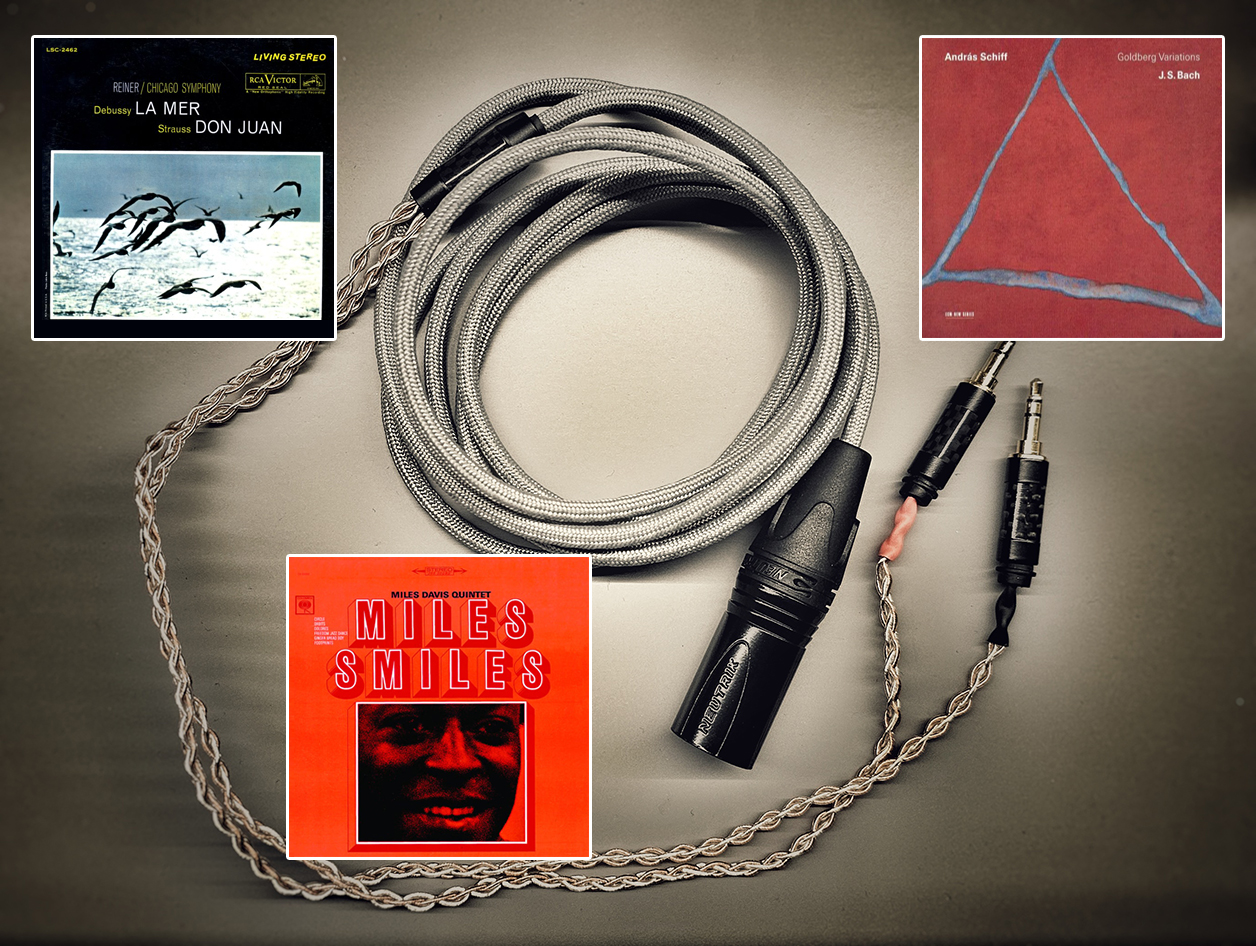
Recordings like this put clarity, spatial coherence and LF integration to a severe test especially over headphones. Using the mid-bass filter, Harmonia presents the orchestra with impressive stability. The bass foundation supports the scenery without drawing attention, allowing woodwinds and strings to occupy distinct layers. The soundstage extends naturally with convincing depth rather than exaggerated width. The full-bass filter adds gravitas. Crescendos rise from a darker more powerful foundation and Debussy's watery imagery becomes more visceral. The precision filter reduces drama but increases intelligibility. Inner lines become easier to follow yet the presentation remains composed even during complex passages, making it the most 'monitor-like' configuration. A composition I consume like regular therapeutical treatment is J.S. Bach's Goldberg Variations. The recording by Andras Schiff for ECM is among the finest for artistic content and sonics. Solo piano is unforgiving. It exposes transient behaviour, harmonic coherence and decay structures where a masterful recording like this can scale up to almost lifelike results when hardware is up to the task. With the mid-bass filter, the piano emerges as a complete instrument rather than collection of attacks. The lower registers carry appropriate weight without obscuring inner detail and the sustain of notes feels naturally unforced. The relationship between hammer impact and soundboard resonance is convincing, allowing me to follow the phrasing rather than mechanics.







Switching to no filter increases immediacy. Attacks sharpen and microdynamic contrasts become more pronounced. At lower listening levels this can be intoxicating, lending life and presence without pushing SPL. At higher volumes we might expect the presentation to become more demanding especially on brighter recordings but not in this case. The precision filter maintains restraint. Attacks soften slightly and the tonal balance centres more. This setting favours analytical listening yet still extended sessions and close-mic'd recordings that might elsewhere get fatiguing. With tube-amp mode, the piano gains density and poise. The harmonic envelope feels thicker, the top octave relaxes and the instrument occupies space with a reassuring solidity. Transients are less dramatic but musical flow improves. With a track like "Footprints" from the Miles Smiles album, a product of the Second Great Quintet, the complex interplay of the Hancock, Carter & Williams rhythmic section is the propulsive mechanical/emotional driver, the tonal balance between the various colours key to comprehend the stylized narrative. With the mid-bass filter, the bass line is easy to follow, the ride cymbal shimmers without splash and the trumpet maintains presence without aggression, letting the groove flow naturally. No filter adds bite and directness, highlighting cymbal attacks and brass articulation. This can rejuvenate slightly veiled recordings but demands careful volume control to avoid early onset of fatigue although Harmonia managed to keep treble energy within tolerable levels. Tube-amp mode softens edges thus enhances the feel of a perpetual stream of notes. The music breathes, favouring emotional continuity over forensic detail.
In summary this is how I would synthesize how the filters shape the sound:
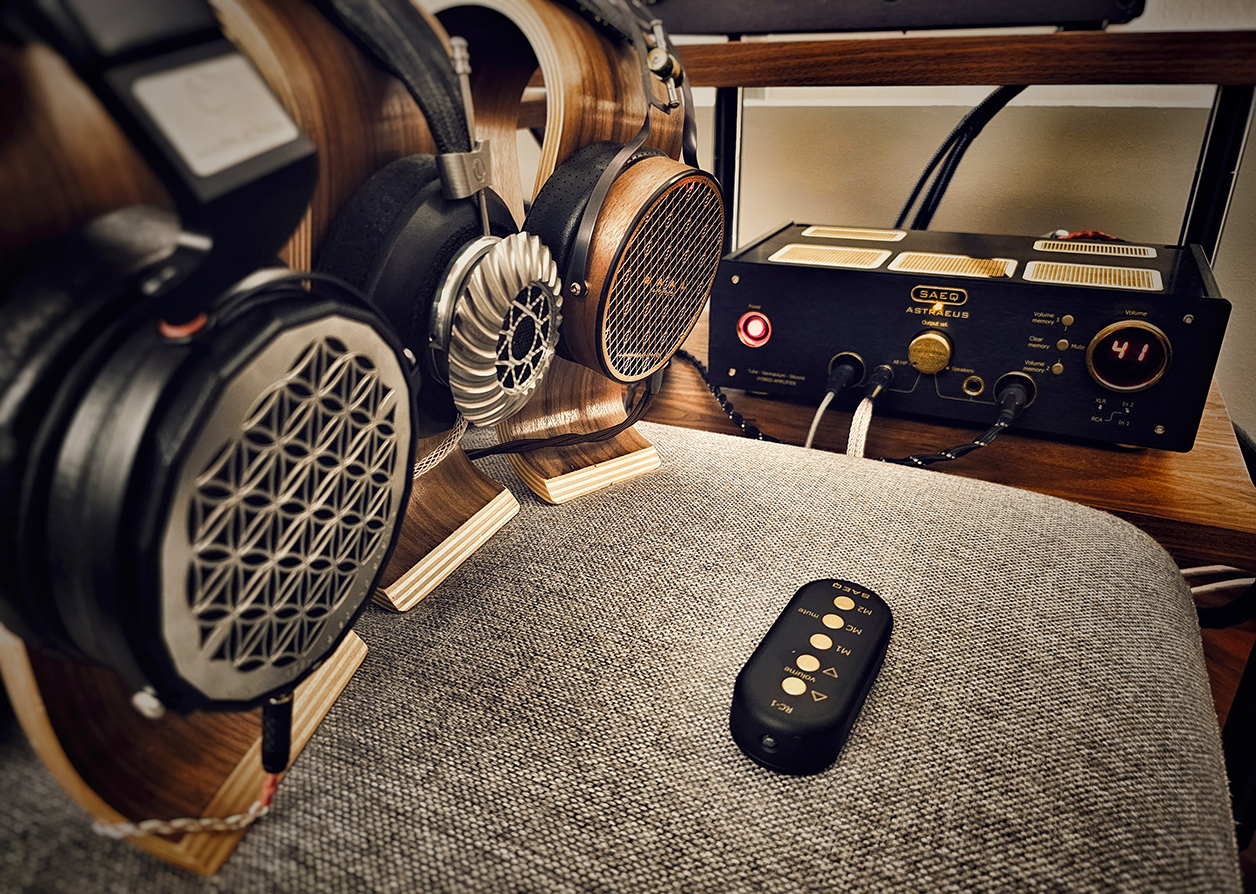
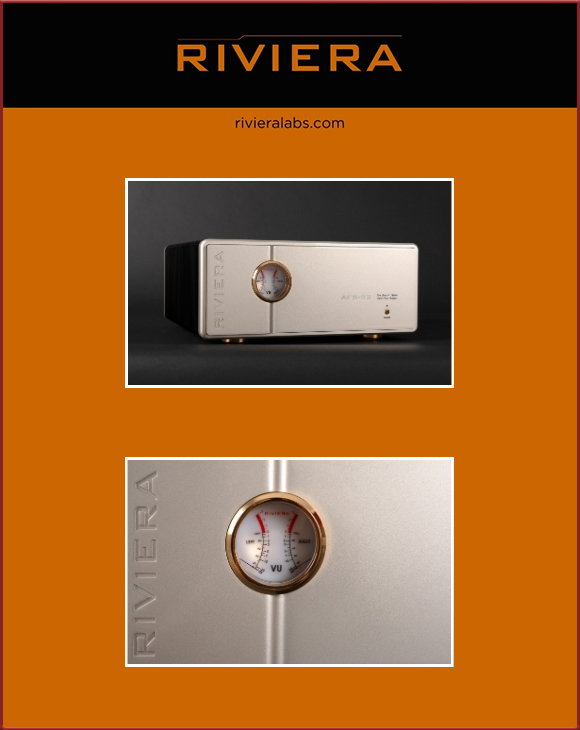
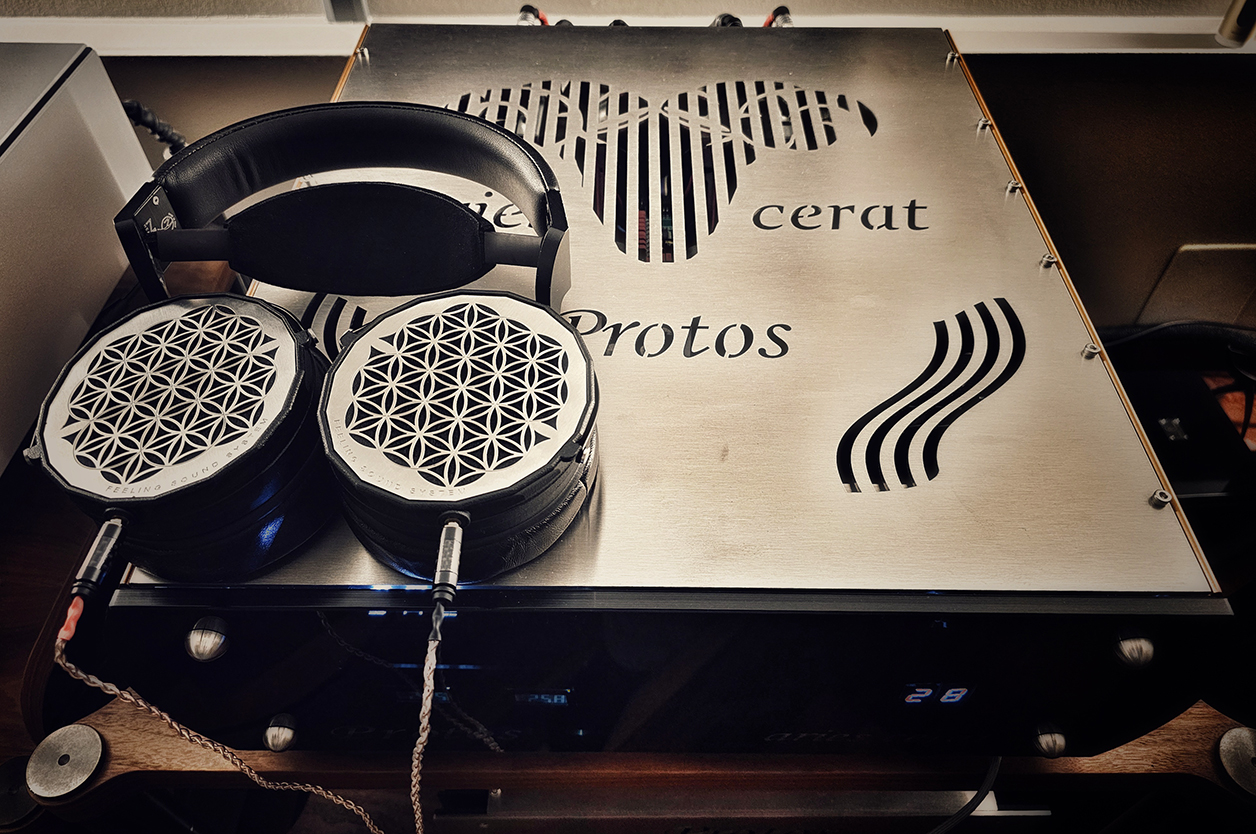
As mentioned, I generally preferred full-bass mode but the key takeaway must be that each setting provided purposefully repeatable results. The observations reported thus far were consistent with all amplifiers I experimented with. Driven by my Riviera Labs AIC-10 reference, the grounded muscular side of Harmonia balanced well with the emotional nuanced part, expressing a strong sense of synergy. Refinement, detail and transparency were not ultimate and the SAEQ Astraeus proved an even better combo in this regard if at the expense of some dynamic explosiveness and scale. The Solaja Master 300B highlighted tonal density, saturation and dimensionality but lacked necessary finesse and microdynamic contrast also due to some background noise. The Aries Cerat Ianus Protos provided the most theatrical experience especially with the full-bass filters and large-scale compositions. Overall I found that the Astraeus with its tastefully calibrated mix of technicalities and hedonistic compliance, finely nuanced volume and non-existing noise floor was the best partner for Harmonia.