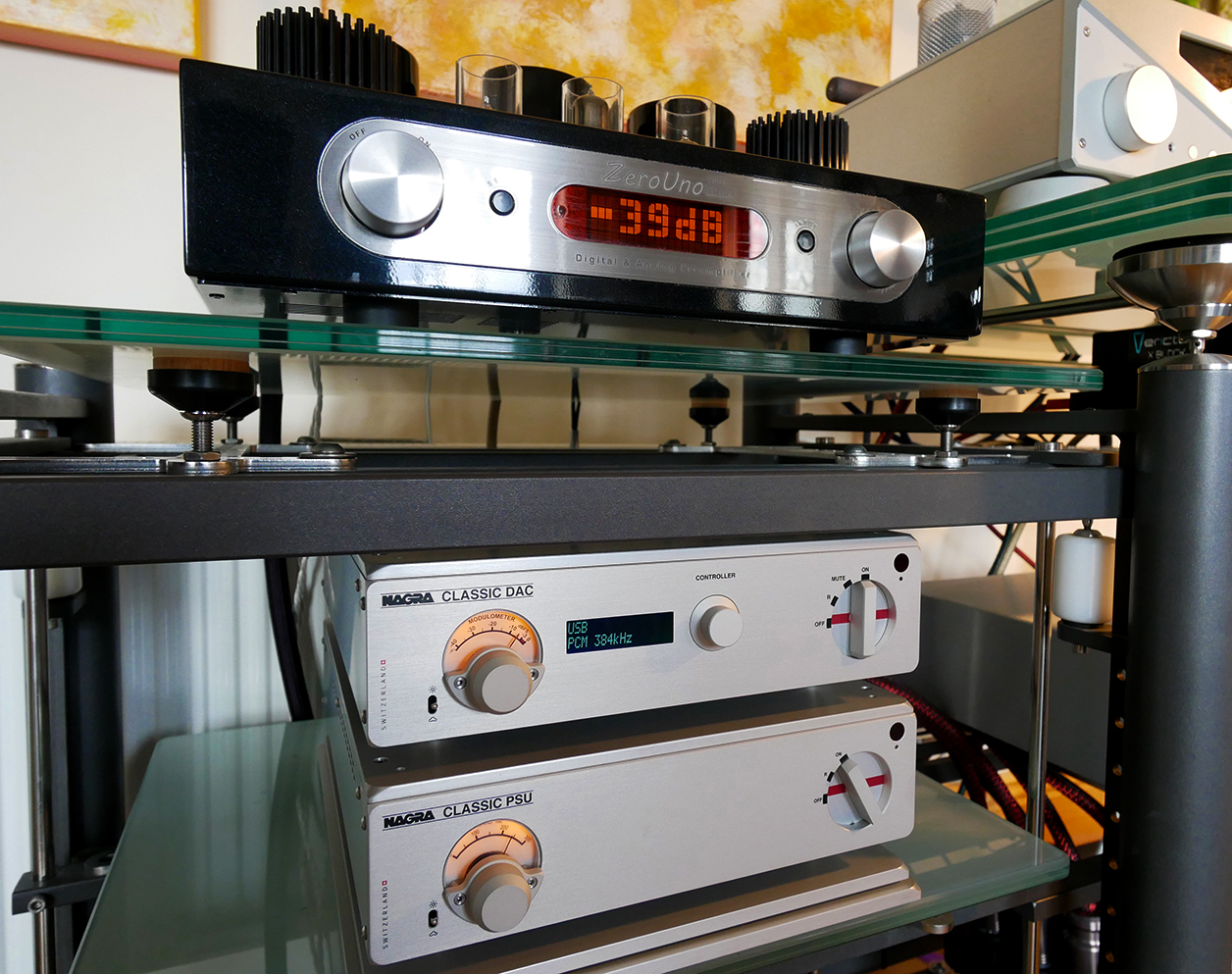
Going to 110. For what became my final straight toward the checkered flags, I really opened up the gas with Mario CanEver's ZeroUno Ultra Plus replacing the Pass XP-22. The Venetian had arrived for its own gig. It's a DAC cum preamp with Lundahl input transformer buffer, one ECC88 with a parallel/summed Linear Technology JFet plus a few resistors per channel. There's no coupling cap, output iron or feedback so a purist/minimalist signal path with a colossal power supply of eight power transformers and stout 24dB voltage gain with 10Ω Z-out. The Plus packs two analogue line-level inputs and precision volume by remote. It truly spec'd and behaved like the perfect stand-in for my long departed Nagra Classic Preamp. That I'd traded for our big 2 x 15" subwoofer. It could have drawn power from the same Classic PSU which in fact can drive three Nagra devices in parallel.

 This now was show-level/boat performance. Matthieu himself should have signed off happily. It had grand scale and impact yet even room-filling SPL refused to betray 'rust' between massed strings which are so critical in that regard. I traversed the Ayoub Sisters, Reinhold Friedrich's high trumpet against baroque string orchestra, the Istanbul Strings and a Bruckner "Adagio" from his 4th Symphony. That between-the-notes grit I call rust remained 110% absent. Though the reading now had proper fire in the belly, it stuck to my earlier description of not majoring on gloss or airiness. Tone textures were satin to aim back at the concert perspective not potentially bright nearfield. It makes the Nagra an exceptionally smooth operator. Hello Sade Adu. With its excellent portrayal of depth, Russian choral music became a cathedral experience. Try Russian Treasures by the Tenebrae Ensemble under Nigel Short. Rachmaninoff's "Lord, Now Lettest Thou" has tremendous dynamic range when the sixteen vocalists lean in during the central climax. It's a devilish test for any hifi to show no strain and ugliness.
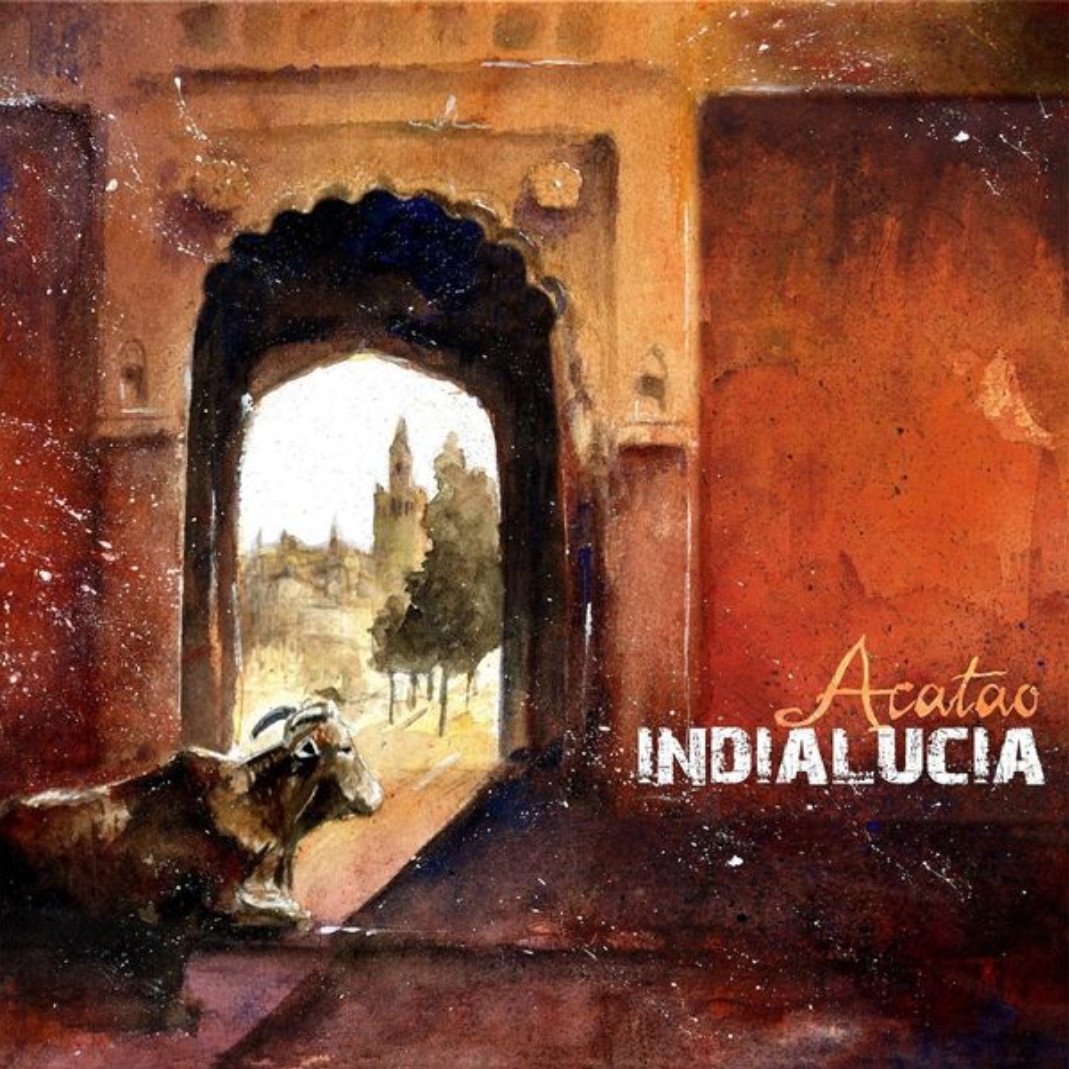
 Different challenges present on Michal Piotr Czachowski's Indialucia album and its track "Gangaquivir", a clever portmanteau of the rivers Ganges and Guadalquivir. It's a transient love fest between cracking percussion, palmas, foot stomps, e-bass, rapidly bowed Carnatik violin and flamenco guitar. It needs excellent timing to come off anywhere near as well as it does over premium headphones which don't see room reverb or multi-way xover phase shift. The Nagra showed taut timing without defaulting to pixilated edging to faux up transient incisiveness. No Crispianity worship here. For a fiery makeover of Felix Mendelssohn's Violin Concerto by Latin piano maestro and ace arranger Joachim Horsley, spin up Caribbean Nocturnes and prime the pump on "Mendel's Son". With its output signal properly conditioned down the long cables by the Venetian tube hybrid standing in for Nagra's Classic Pre, the DAC II owned this music's infectiously saucy intensity. I could rattle off a litany of tracks but the message should be clear. As expected, it played no favourites on my type of music though I can't vouch for grunge, industrial and related genres. Snob that I am, I don't (cough) do noise.









No sooner had those prickly pixels dried that my inbox pinged a press release for Nagra's $87.5K HD Phono preamp. It represents a solid 4 years R&D. It's the obvious mate for their Reference turntable and Reference MC cartridge. It's a dual-mono pure tube class A design with creature features like remote-controlled 5-390Ω loading in up to 5Ω increments. New 4th-gen input transformers generate 26dB of passive voltage gain. Their cobalt cores are cryogenically treated in-house over several weeks. The outboard power supply uses banks of super capacitors for beyond-battery charge speeds, current load and cycle stability. The tube complement consists of 4 x EF806S and 2 x E88CC. Total gain is up to 68.5dB. Supported EQ curves beyond the classic RIAA curve are Teldec, NAB 100µS, Victor Europe and Victor USA. MC gets two RCA inputs, MM one. An option bay anticipates future custom transformers. This team loves engineering challenges. Anyone looking for the easier way out would conflate high-gain phono with op-amps and stay far away from valves. Since the DAC II does, we're right back on track.
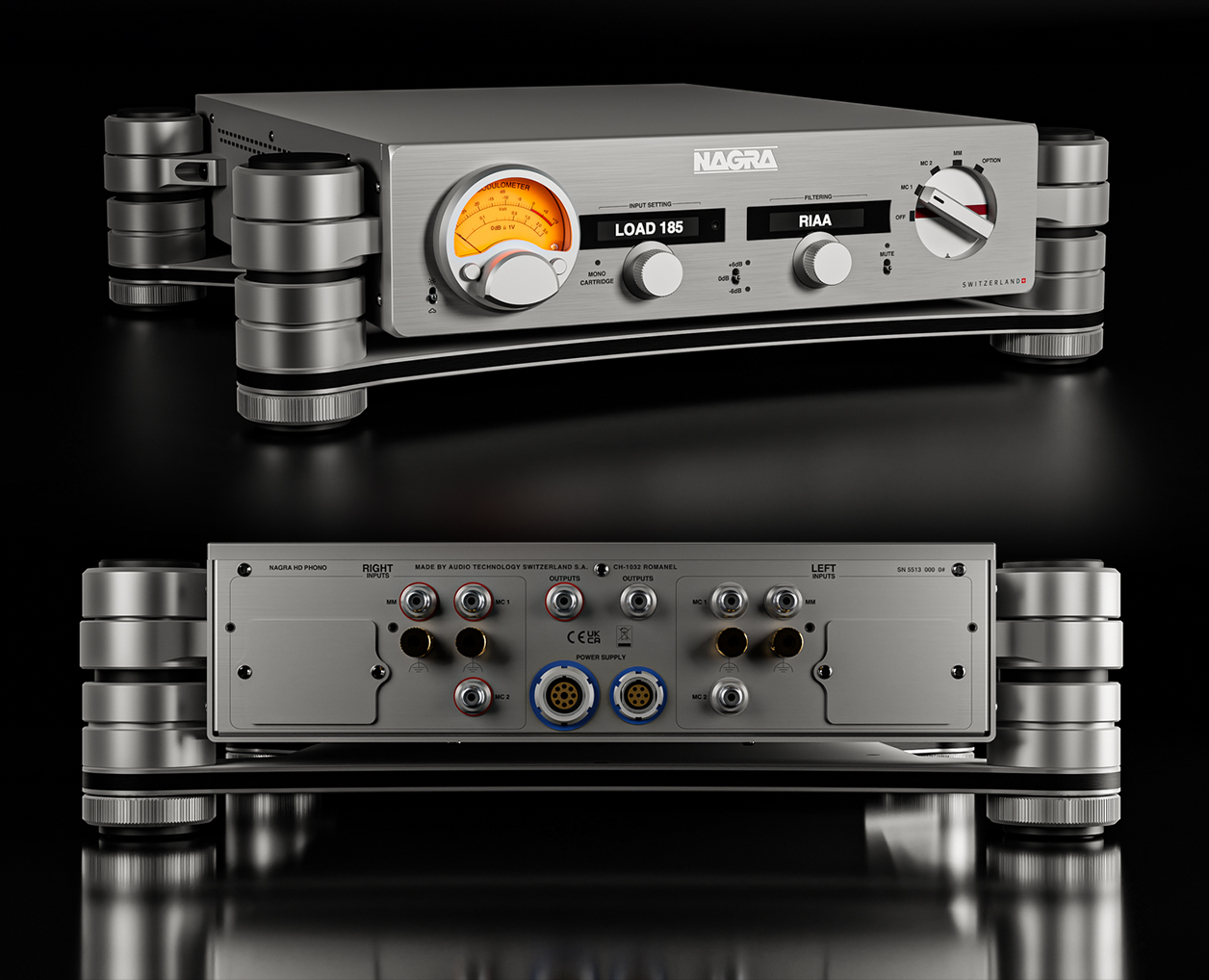
It's a perfectly obvious track. Nagra adore tubes. They use them wherever technically and/or financially feasible. To generate 250 drive-anything 8Ω watts "with 1000Wrms into lower impedance", their mono HD Amp uses Mosfets because "they're the closest thing to a triode tube". Though the DAC II eschews valves—the Classic Tube DAC offers them—the same priorities apply. Going in we knew to expect sound that leans into the denser lusher slightly darker spectrum whilst avoiding all sharpness like the plague of early digital. Yet we needn't worry about tube aging or replacements. Given Nagra's fearless travails in the Hell's kitchen of noise—i.e. executing ultra noise-critical high-gain phono circuits with pure valves—we feel in safe hands regarding digital noise-floor performance regardless of chosen gain device. S/NR is a parameter our Swiss engineers take serious. That's how high resolution intersects with the denser lusher tube-tuned spectrum. With Nagra's most iconic product an open-reel location recorder, we further appreciate their emphasis on classic analogue sound. Whilst we could argue what that is until the famed Swiss cows come home down from their Alpine meadows rocking bronze bells, there's probably rather clear consensus about what analogue sound is not. As such I needn't spell it out.
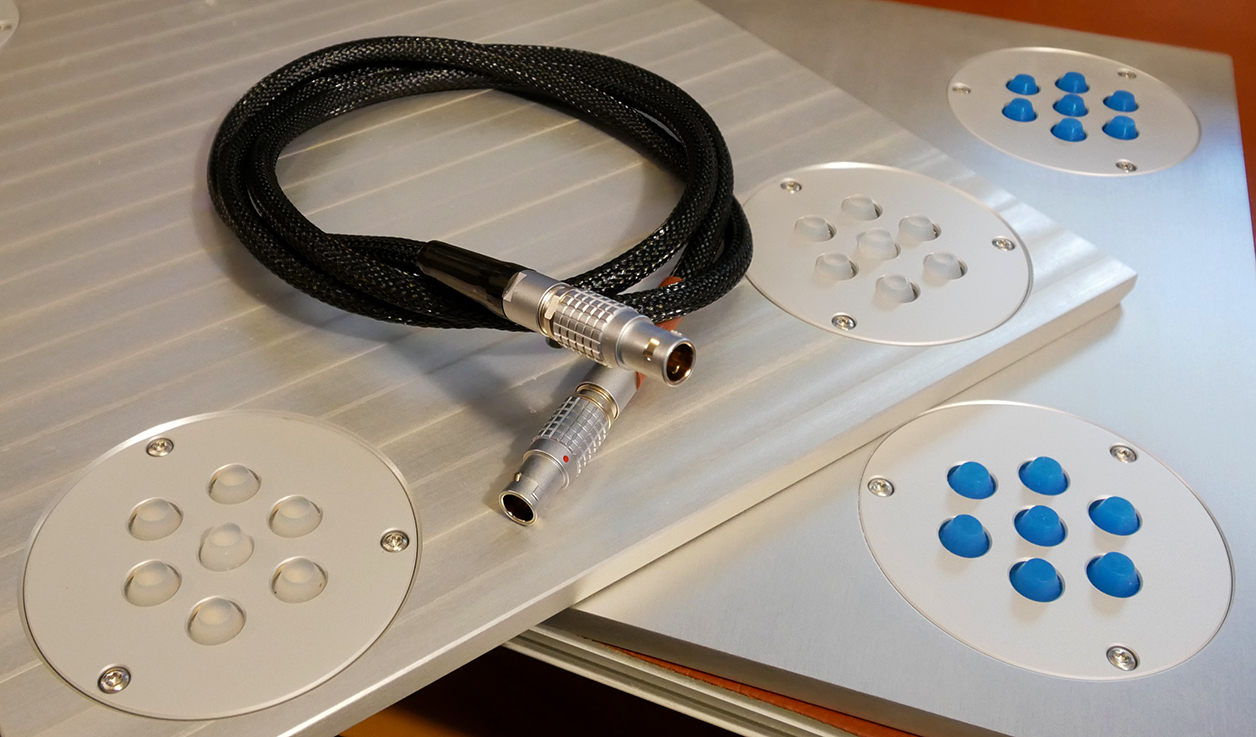 The twin-layer VFS platform uses these viscoelastic pellets for decoupling. The white ones decouple the metal sandwich, the blue ones contact our own support surface. The Classic PSU includes three of these umbilicals.
We also appreciate why Nagra prefer softer DSD to starker PCM. These are consistent design choices facing clear goals. At 1.5Vrms, the DAC II's output voltage sits below the industry-standard 2V which itself can sit far below the 6V+ balanced values packed by converters which aim at amp-direct use by including volume control. Based on that and my own experience, this machine prefers active preamps like its Classic mate to passive solutions or basic resistor ladders on a chip. Synchronicity provided me with a sterling hi-gain stand-in to witness those benefits first ears. To close out this tale by offering still more obnoxious obviousness—it simply makes it no less true—Nagra's Classic DAC II could be the digital deck for vinyl freaks who still prefer that format to digital anything regardless of convenience. How many competitors can claim the same lengthy experience with the shrinking world of professional all-analogue master-tape recording? Should those same vinylistas cave into the lure of unlimited musical cloud access, the DSD256-converting DAC II might just be the golden ticket to change ponies in midstream. As to upstream, the two/each N-Link optical i/o already point at a Nagra network streamer. Soon reluctant cloud-music converts will have yet more analogue-certified reason to get with the times.