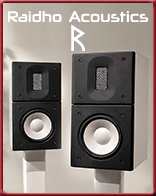
Their designer sells his own PowerSoft-based 300wpc heavily tweaked class D amp. A self-professed sucker at math, I doubt that Sven grooms his speakers' phase plot for most benign behaviour. He strikes me as a sound-first guy no matter the cost in bearish drive. Warsaw contributor Dawid Grzyb who owns two different Boenicke models in fact is adamant. Without proper power, his sound sluggish and bloated. With proper power, they shed the fat and transform into staging fiends of uncommon virtues. With my low/mid bass outsourced so unloaded onto the big subwoofer, these tiny slivers backed by 400W/4Ω of high-damping muscle did the cavernous stuntmathon. High-passed they took a real SPL beating, too. One gets little to no respect from serious 'philes for such a 2.1 combo—subs are for movies, real men need at least 3- if not 4-ways—but regular households having to balance the hifi hobby against many other actual needs see their benefits well before ever hearing them. Suffice it to say that when powered by the petite Laiv amps, these little boxes played far beyond their apparent station and behaved anything but lean, pimply 'n' prepubescent. Big amps make small speakers sound big. It reads trite but remains true. Here it wasn't just about raw drive but that more organic chewy voicing which lent more weight to small-driver mini monitors. Substitute the Boenickes with any of the literally thousands of two-way monitors to market. Regardless of low efficiency and possibly strained port tunings, the GaNM will be ideal drivers and look the part. So there's that. To really drive this petite 'n' pretty point home…
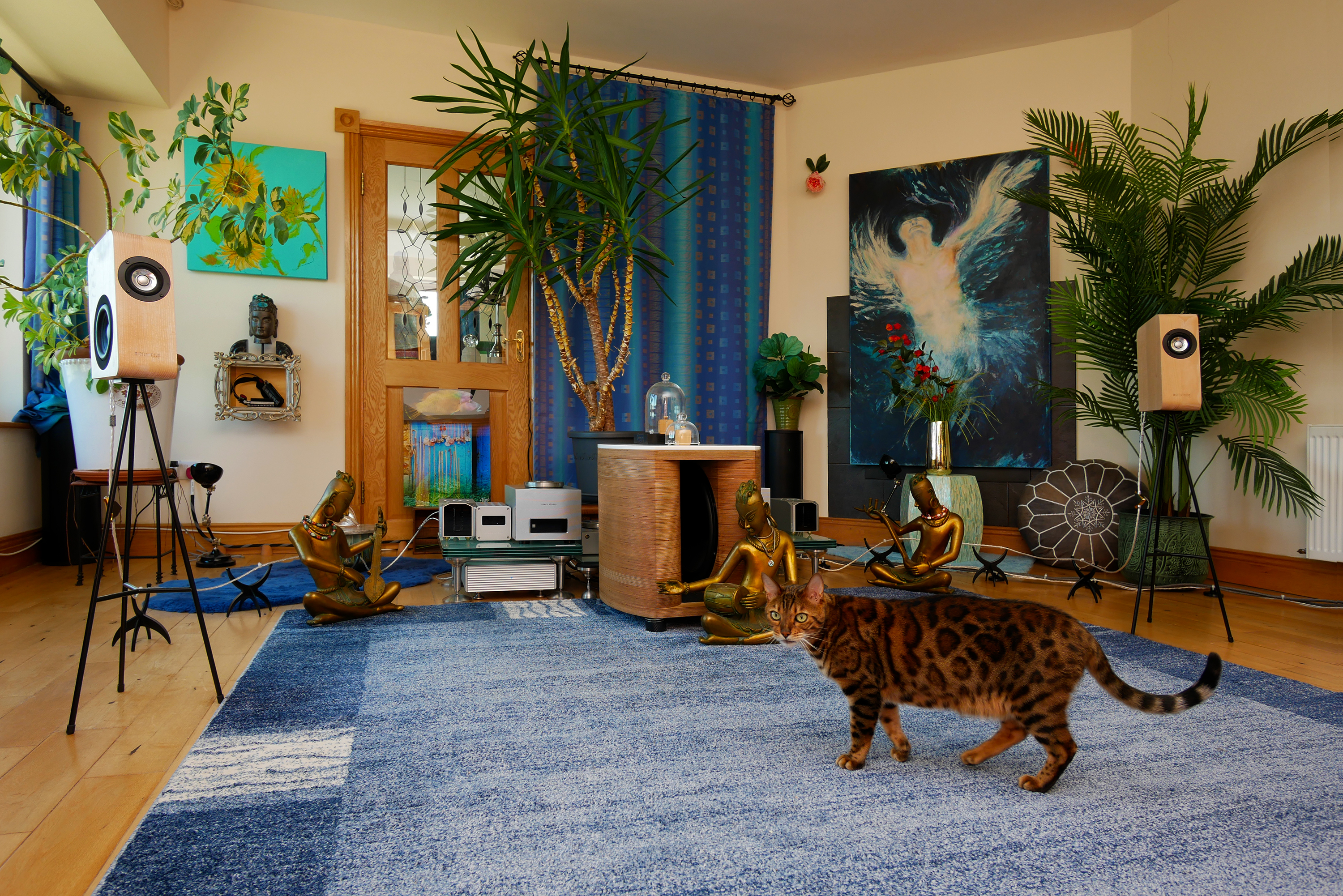
… then there was this. Talk about zero respect. Luckily I know myself better than any number of online strangers do who never met me. I don't mind disbelief. Even ridicule is fine. I'm the one in this listening seat and here to tell you that this combo with 4" isobarically coupled Mark Audio Alpair widebanders in a rear-ported aluminium cab augmented by twin 15" woofers was feisty dynamite. The absence of a crossover between 100Hz and 15kHz has real benefits; and a cleanly executed electronic rather than passive high pass no demerits. I'm quite serious that a key portion of the prospective GaNM audience should be stand-mount owners wishing to maximize their compact speakers with lots of juicy not sterile power that runs cool and takes up very little space.

Sounds like tubes is a tired trope which can't realistically apply to gain circuits of very low output impedance. They behave hence perform markedly different than 4Ω outputs barely managed by up to half a mile of coupled output-transformer windings. Where the trope does burn some rope is when referring to a minorly binding action. If you're dismissive, you call it gelatinous or fattening. When you applaud, it becomes body building, substantiating or enriching. Regardless of attached bias, that portion of generic tube sound which makes the aural feel thicker, warmer, softer and heavier—all of which can be done with classic and switching transistor circuits if so tuned—applied to my juxtaposition of Kinki x Laiv. In that partial sense, the GaNM added some generic tube aroma. Once again that's the antithesis of any digital-sound expectations. It would also conform with those who argue that vinyl sounds richer and creamier than digital; that analogue sounds innately superior even though all sound is analog and not digital by definition. Once we look closer, so many of these categorizations are uselessly murky, generalized and partial rather than complete. Mentioning them is half to make that point; and half to suggest how far class D amplifiers have come and how varied they can be based on what profile they were voiced for. 800kHz switching. Gallium nitride. Zero feedback. Such ingredients predict very little indeed. There are no silver bullets. A good designer imposes their sonic will onto a circuit regardless. And the Laiv monos fall closer to what general consumption means by 'analogue' or 'tube-reminiscent' than you might expect. They remain weasel words like musicality. But because they're somewhat antithetical in this context, it's fun to dust them off for a wee moment. And now they go back into their drawer, key binned.




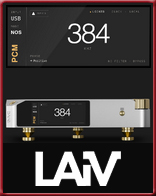





I'll open another drawer to leave be: class A. My exposure to such amps in the solid-state sand box is primarily via Pass Labs. I owned their XA.30.8 and keep around sundry FirstWatt specimens. This tie-in is neither partial nor dubious. We're just down to degrees. In my coarse estimation, the GaNM sat between my Kinki monos and Pass-based class A transistor imprint but closer to the latter to more than split the difference, say by 3/4th. That statement you can take to the bank without looking foolish. Favouring a more energetic 'faster' sound myself, I now wondered which speaker on hand would best mesh with Laiv's specific profile and my tastes. Given that I found myself listening a bit louder than usual to compensate the mellower tuning, I thought that my ideal speaker should contribute high sensitivity and unusual dynamic reflexes. Et voilà, Zu's Soul VI in the video system raised its turquoise hand. Before we go there, let's cover the obvious just in case it's not. If the entire chassis acted as heatsink, a GaNM in pure class A might make 10 watts? It'd run very hot and could take 30-40 minutes to come on song from cold. It'd also be red not green on energy consumption. Instead we get cool temps, twenty times more power and a contemporary environmentally happy sticker to boot. If I were in marketing tasked to define the GANM's unique selling point, I'd call it class A sonics with class D efficiency. It's factual, relevant and as such, a real dealmaker.
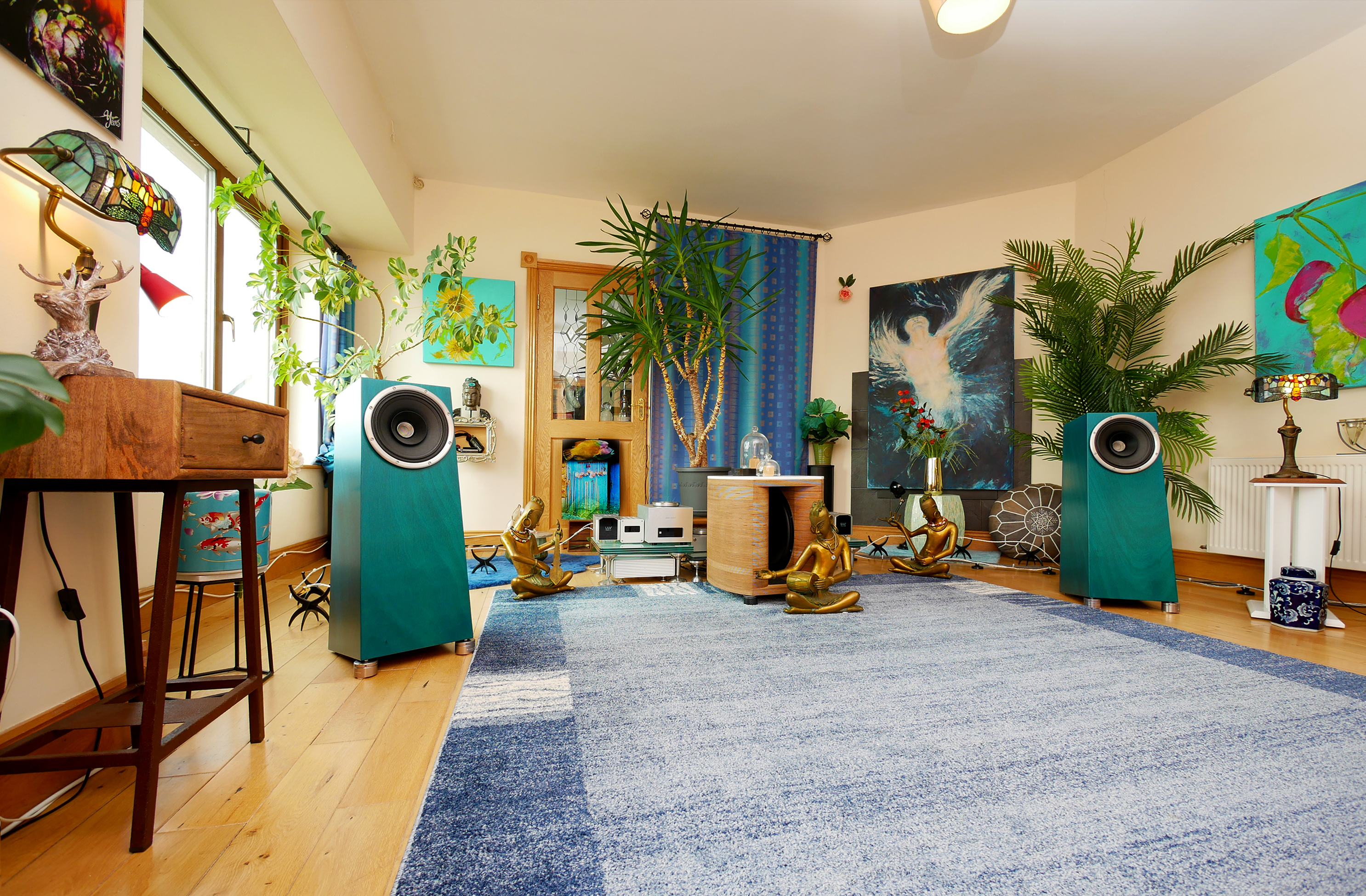
The deal between Laiv and Zu was certainly sweet. Sean Casey's signature hard-hung widebander with coaxial compression tweeter down its throat added its trademark rhythmic swagger to give the reading that added pep in its step. Without getting too lush, tonality had lovely fleshiness and the coincident point-source loading great depth layering. Another benefit was the earlier curtain rise on the throttle. Every system has a lights-on level where the sound shows up in full. With the Soul VI that satisfaction saturation happened earlier. I could listen quieter without feeling shorted. For my ears this was a fine speaker/amp match. Having arrived at another happy hardware match, let's inspect a few more GaNM aspects. My subjective assessment of the tonal balance being slightly dark reflects not a curtailed top end as might seem implied. Rather the aforementioned drier textures from less unveiled upper harmonics which give sound its effervescence of champagne carbonation dominated my tonality perception. I found it slightly muted and genteel. Detail-über-alles hopes—or concerns!—would be misplaced. This milder somewhat blended tuning doesn't separate explicitly but enfolds. It's at the root of my calling the overall feel organic. In my memory anchored against the Kinki residents, the far costlier Merrill and AGD amps veered rather deeper into the high-contrast hi-def realm. But the GaNM also don't grab their €15K so uncle Albert's relativity remains unbroken. Whilst I'm ticking off assets, I really dug the fast boot-up off the top-mounted standby switch. The location of that switch too is terrific rather than hide on the belly where the 3-second hold for full off could be inconvenient; or mar the squeaky-clean front. Tapping it briefly toggles the VU, black-out and logo display modes. Dead-silent MO is more cause for applause. The GaNM twins are a beautifully conceived then executed thing. They are an ultra-modern alternative for shoppers after milder class A sonics who need real power for ~€5K with VAT. Online posters crying wolf that the Harmony DAC's €2'700 figure has nearly doubled for the amps overlook what they are: proprietary GaN circuits. NAD couldn't design their own to instead run Hypex. Aavik couldn't to do Pascal. Boenicke couldn't to go PowerSoft. Lindemann couldn't to go Ncore. Goldnote couldn't to first go Powersoft then Pascal. That couldn't list is far longer still. Unlike the cry-wolfers, I don't see how the GaNM pricing departs from Laiv's established recipe. Even the Model 525 by industry luminary Jeff Rowland drove Pascal. It's cause to put serious respect on the Laiv badge.