 It was already clear to me that these speakers truly shine on acoustic music so I stayed in that lane. Another playlist item was a collab between Bertrand Renaudin and Olivier Cahours on Douö Live with just drums and acoustic guitar. What a musical feast the Midi 150P presented! The drums spread wide between them, covering space that even a man with the longest arms couldn't possibly cover. It didn't matter when the clarity of each sound coming from either gently brushed or powerfully stroked cymbals was amazing. So were their vividness, vibrancy and the long decay suspended as though in a particularly large venue. The guitar in the foreground sounded clear and rich with its wooden body supporting the strings. It felt open, vibrant and very natural. Live recordings open up another barrier for realism since not that many components deliver applause in a way that I can easily accept as truly happening in front of me. Yet with the Fram I felt like joining in. Following the exceptionally convincing guitar on the previous album, I cued up a track recently discovered during the presentation of the new Harbeth SHL5plus XD2, namely Bogdan Loebl and Little Axe's "Jestem tu – Goree". The beautiful vocals, guitar and quite heavy bass took me by surprise. After all, the Fram are far
  smaller than the SHL5plus XD2 which, to be fair, had a significantly larger space to fill in the distributor's showroom yet the Midi's low end sounded as big and powerful as it had with the British counterparts. This was the second time that the Fram clearly showed just how good a passive radiator can be. The lowest notes were not only rich and powerful but well-controlled, tight, very differentiated and free of the port bloom I dislike so much. I didn't hear it with the Harbeth either but the bass performance was comparable despite the significant size difference. The bass had lovely kick yet not for a second intruded on the presentation, leaving the lead role to the vocals. When I cued up Chad Wackerman's Dreams, Nightmares and Improvisations, I started to ask why anyone would need bigger speakers in a room like mine? The sound was big and powerful, the bass did extend really low and the spatial aspect of the presentation shone again. All I had to do was push the volume control a little higher than usual and the sound filled the room and became present and almost visceral. The dichotomy between physical and sonic size was stunning. What's more, getting loud if still within reason did not harm the clarity and precision of the presentation.
There was no compression, distortion or loss of clarity and transparency. Everything was exactly the same, just louder. Therefore, Chad Wackerman's drums convinced and impressed. Yes, the scale wasn't quite the same as it is with my floorstanders where particularly the 12" 3-way Ubiq Model One gets more visceral and punchy. But again, what the Midi conveyed was dynamic, energetic, powerful, precise, detailed and so very nuanced on those cymbals and I really liked it. It took a shamelessly digital master in Spyro Gyra's Fast Forward album to clearly recognize the tonally neutral character of these speakers. Listening to the previous albums, I had gotten distracted by the music. But this recording is a bit on the bright side and it showed. The Fram Midi 150P didn't try to hide the truth. They delivered really good pace and rhythm, built big space and gave each image a firm location and size. Despite the recording's slightly bright character, the Fram managed a deep punctual pulse set by the bass and crisp powerful cymbals and other metallic percussion. To complete the picture, they nicely filled in and saturated everything in between, thus delivering a coherent, vivid, open and very dynamic performance.






To push these speakers to their limits, I reached for Pictures at an Exhibition and these little aluminium boxes managed to surprise me again. Not all floorstanders let alone bookshelf speakers have delivered Mussorgsky so effortlessly, with such enthusiasm and dynamic energy. Even in terms of momentum and overall power, the Midi 150P seemed to match some smaller floorstanders, thus allowing me to also enjoy this type of music without particular regrets. That's quite an achievement. Last but not least, I played some good old rock. One of the albums was the double 45rpm Mobile Fidelity version of Dire Straits' Brothers in Arms, another album on the brighter side and the Midi 150P let me know so from the start. I got the message but still could lean back and relax to enjoy familiar songs.
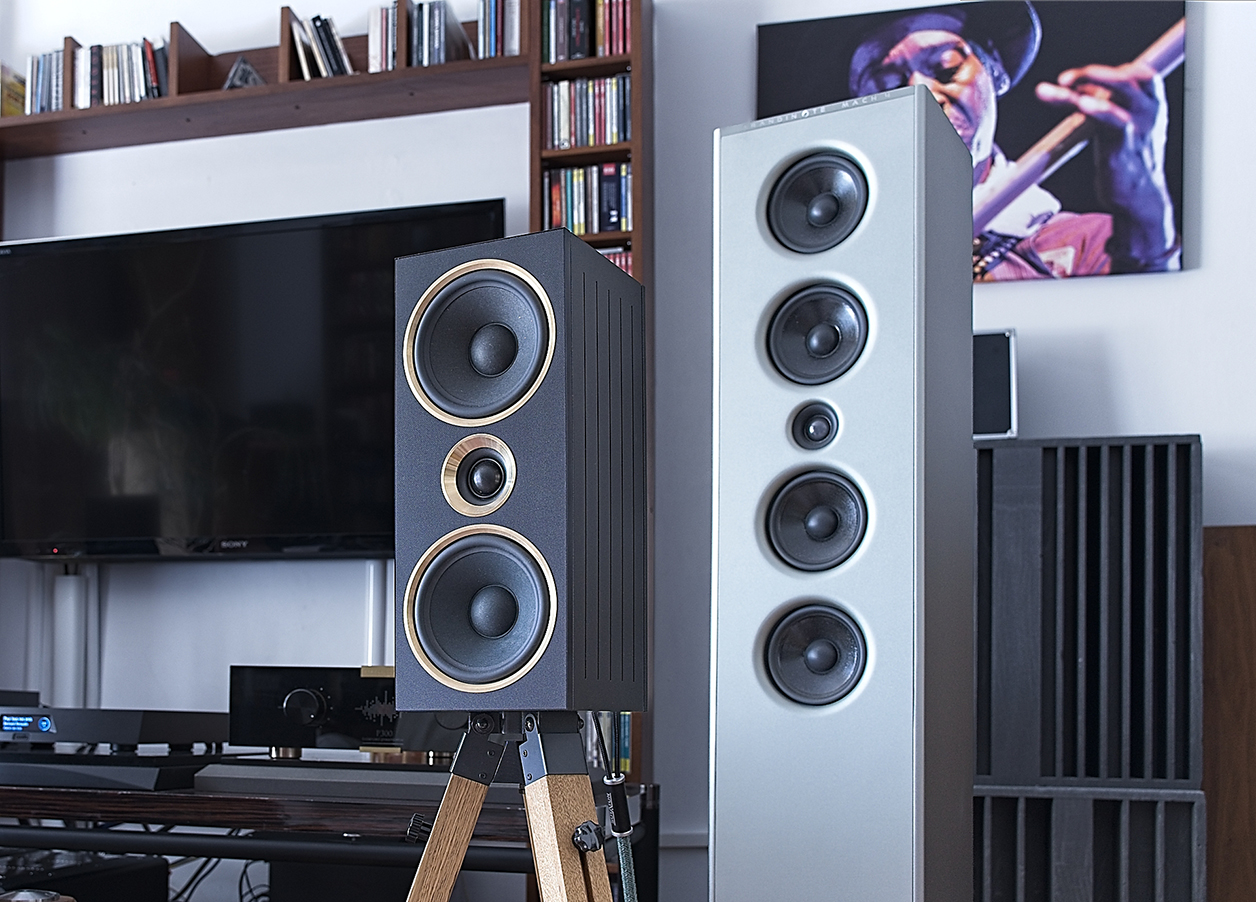
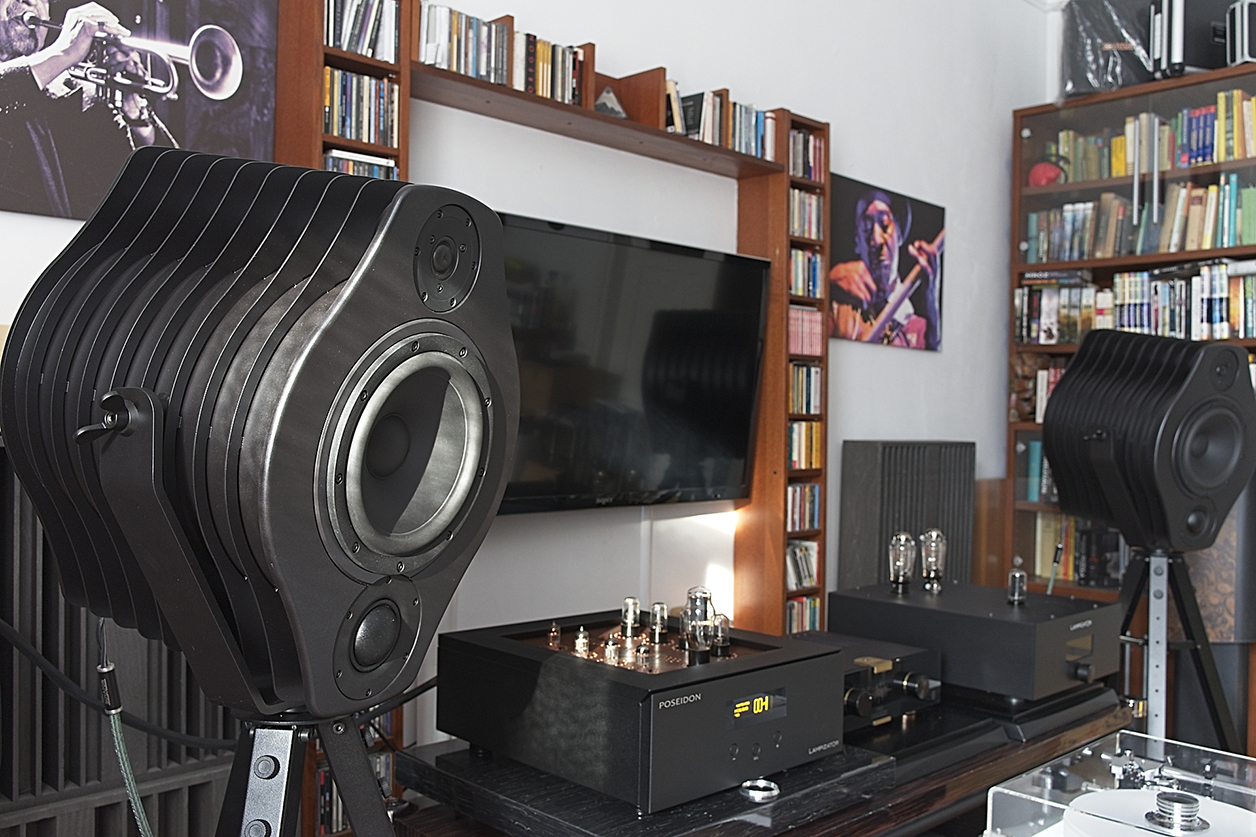
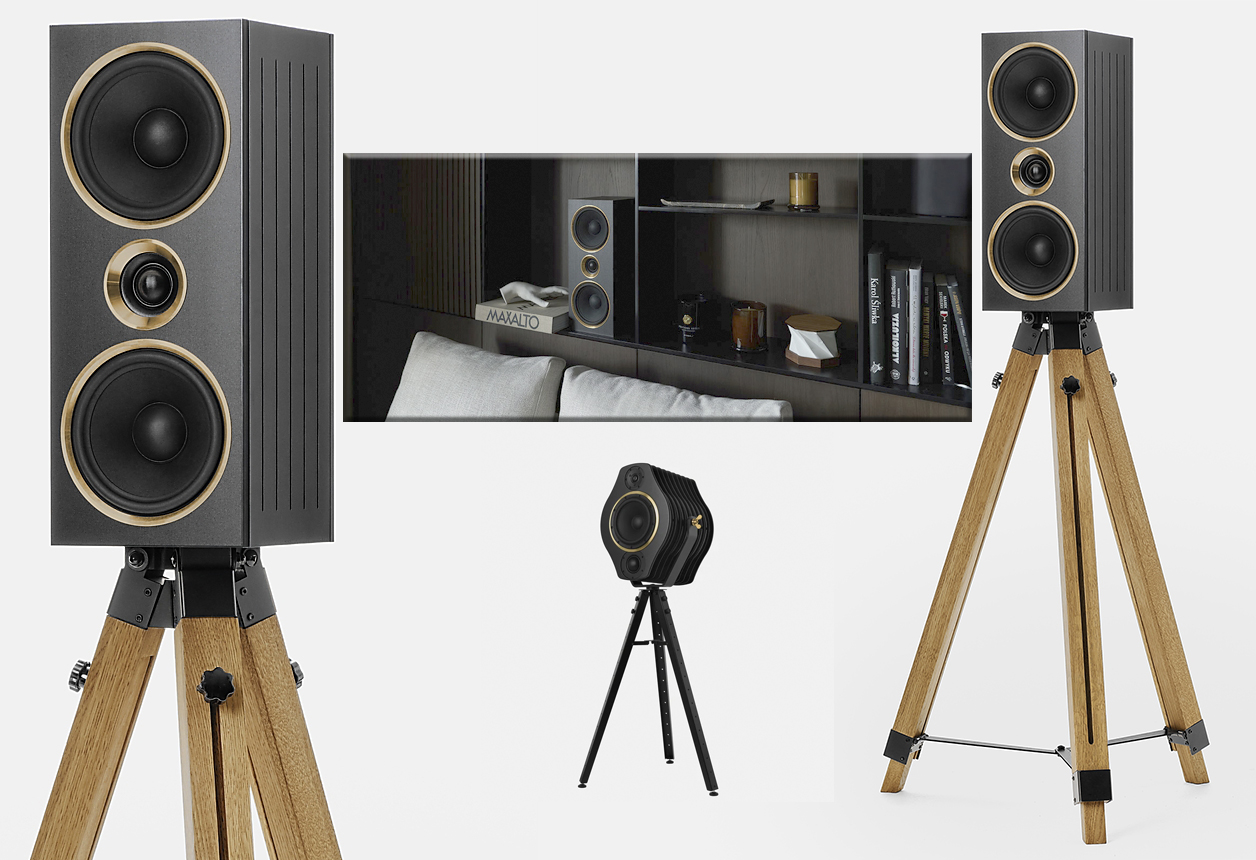
The earlier Arte Noire flagship had set quite high expectations. Obviously I didn't think that today's Midi 150P could be an actual competitor as the Arte Noire are clearly bigger, more extravagant in form and significantly more expensive. Yet these two apparently so different pairs have a lot in common. The smaller siblings do not quite share the scale, momentum or bass extension but do agree on the same approach to music playback. They are tonally neutral yet very natural. They offer clarity and transparency that my experience taught me to expect from the likes of the Arte Noire's price tag, not the Midi 150P monitor. While playing powerful rock or symphonic pieces, you will at least initially feel the disconnect when looking at these speakers while trying to comprehend how such huge sound can come from them. What's more, it delivers with such control and internal organization when paired with a capable amp that it may seem like a trick that must soon fade. It's no trick though. It took hours upon hours upon hours of hard work, effort and talent to create these amazing results. If you're looking for speakers for a small to medium room that offer exceptional sound quality at an exceptional price/performance ratio, Fram's Midi 150P should make it to the top of your audition list. Despite a form factor simpler than that of the Arte Noire stage lights, they too look amazing, especially on their custom wooden tripods…