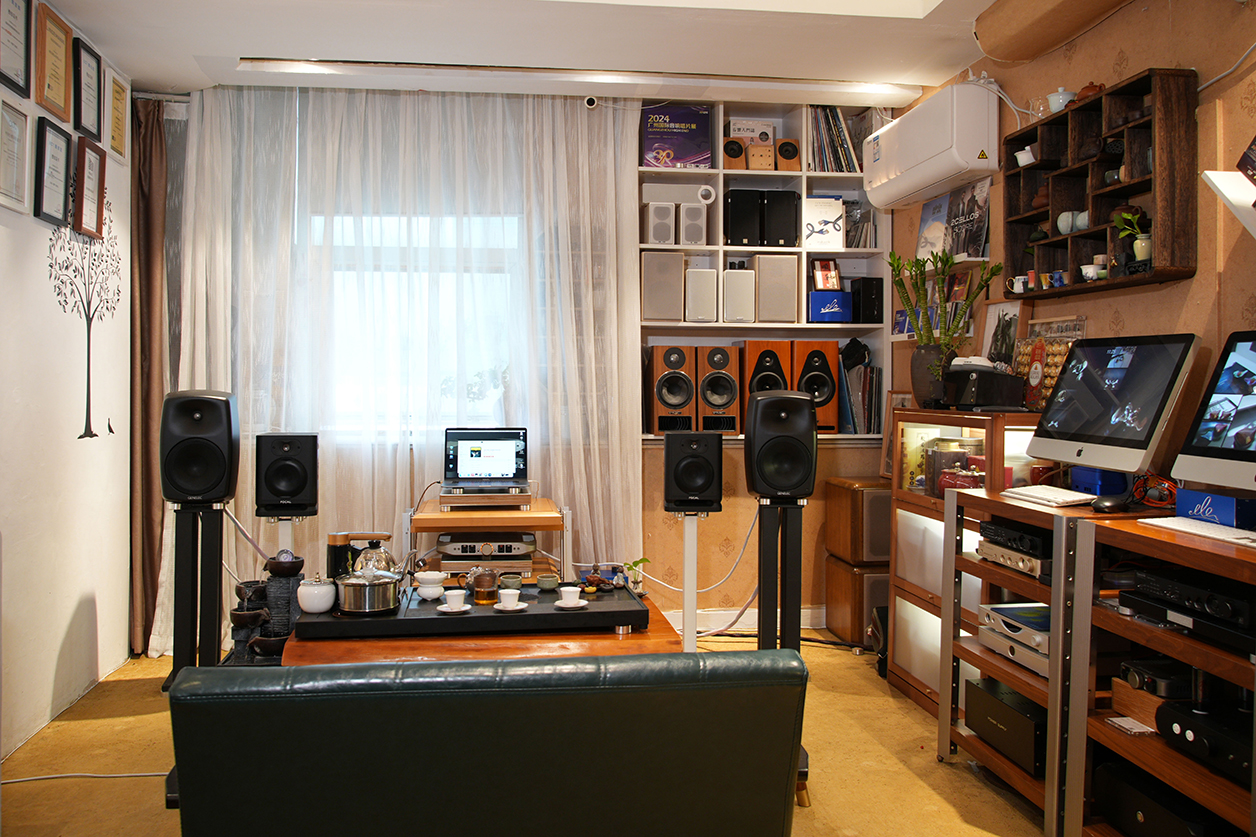
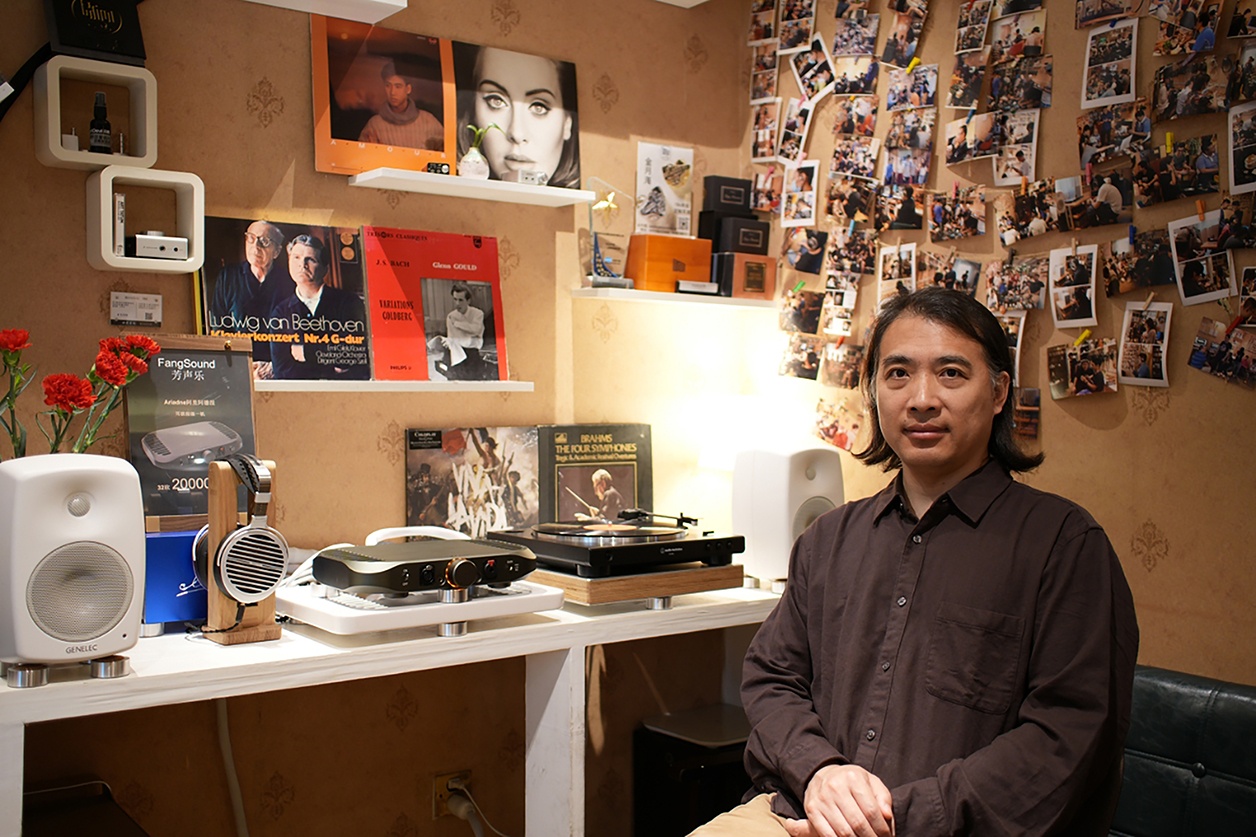
FangSound comment: "Thank you for your thoughtful questions and the review of Dionysus. Allow me to answer your questions in a structured way, beginning with who we are. FangSound did not start as a company. It started as a listener. I am not a formally trained audio engineer. I am simply a long-time music lover who followed the same path as many audiophiles — from in-ear monitors to full-size headphones to loudspeakers, cables, power conditioning and many detours along the way. Over time I realized that I was not chasing hifi effects. I was searching for something emotionally convincing. When music feels alive, it moves you. When it does not, specifications become secondary. Personally I prefer simplicity and purity. I like products that sound right immediately. I do not enjoy unnecessary features or complexity. I want to sit down, press play and enjoy music. FangSound exists for listeners who share that mindset. For more than ten years we have operated a small headphone and loudspeaker boutique. Every day I listen together with customers and friends, comparing systems and refining setups. That daily contact with real listeners shaped my ear more than any textbook could.
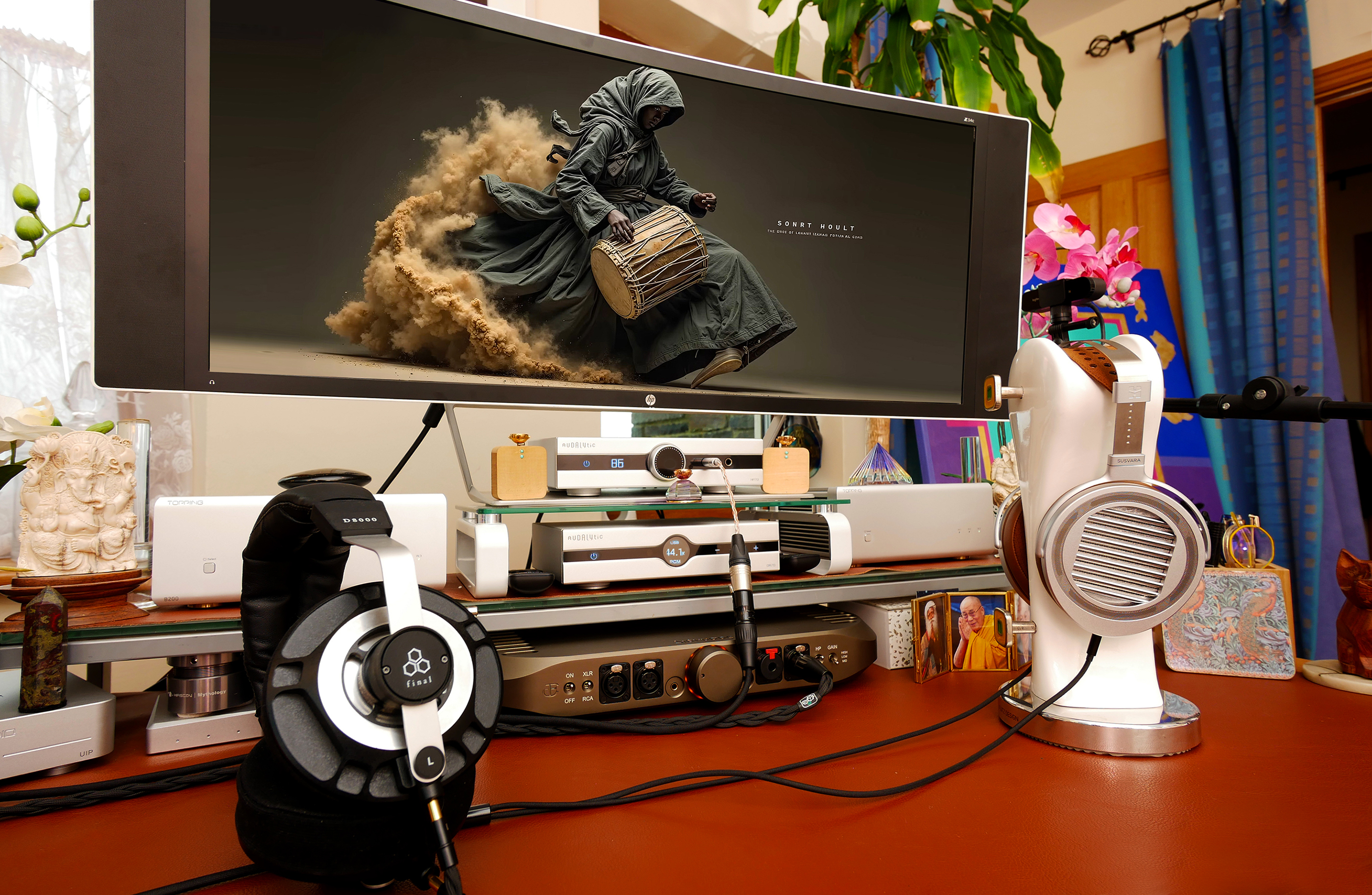
"Before FangSound officially existed, we developed power conditioning products and a portable DAC/amp. I also worked as a tuning consultant for other brands, participating in voicing wireless headphones, full-size headphones, DACs, portable players, amplifiers, Bluetooth speakers, cables and IEMs. This broad exposure across the entire signal chain gave us valuable voicing experience that strongly influenced Dionysus. Five years ago we began developing a dedicated headphone amplifier. At that time many enthusiasts used speaker amplifiers to drive demanding planar headphones such as HifiMan's Susvara. Speaker amplifiers offer power but often lack the delicacy and low noise floor expected from a purpose-built headphone amplifier. Our goal was to combine authority with refinement. Dionysus required nearly four years of development. The first challenge was technical stability. The amplifier employs a complex nested multi-feedback topology. Its stable operating window is extremely narrow, requiring extensive prototyping and repeated refinement. The second challenge was sound character. Heavy feedback can reduce distortion on paper but may also suppress dynamics, tonal density and natural flow. It can result in a grey, emotionally distant presentation. It took nearly two years of listening and adjustment to achieve the balance we were seeking. We optimized not only through circuit refinement but careful component selection, mechanical damping, vibration control and connector quality. In tuning, even identical-value components from different manufacturers can alter tonal balance and microdynamics. It is a system-level process where every decision influences the whole. Today Dionysus delivers strong macrodynamics, full and expressive midrange tone, refined timbre and high information retrieval — without sacrificing musical engagement.










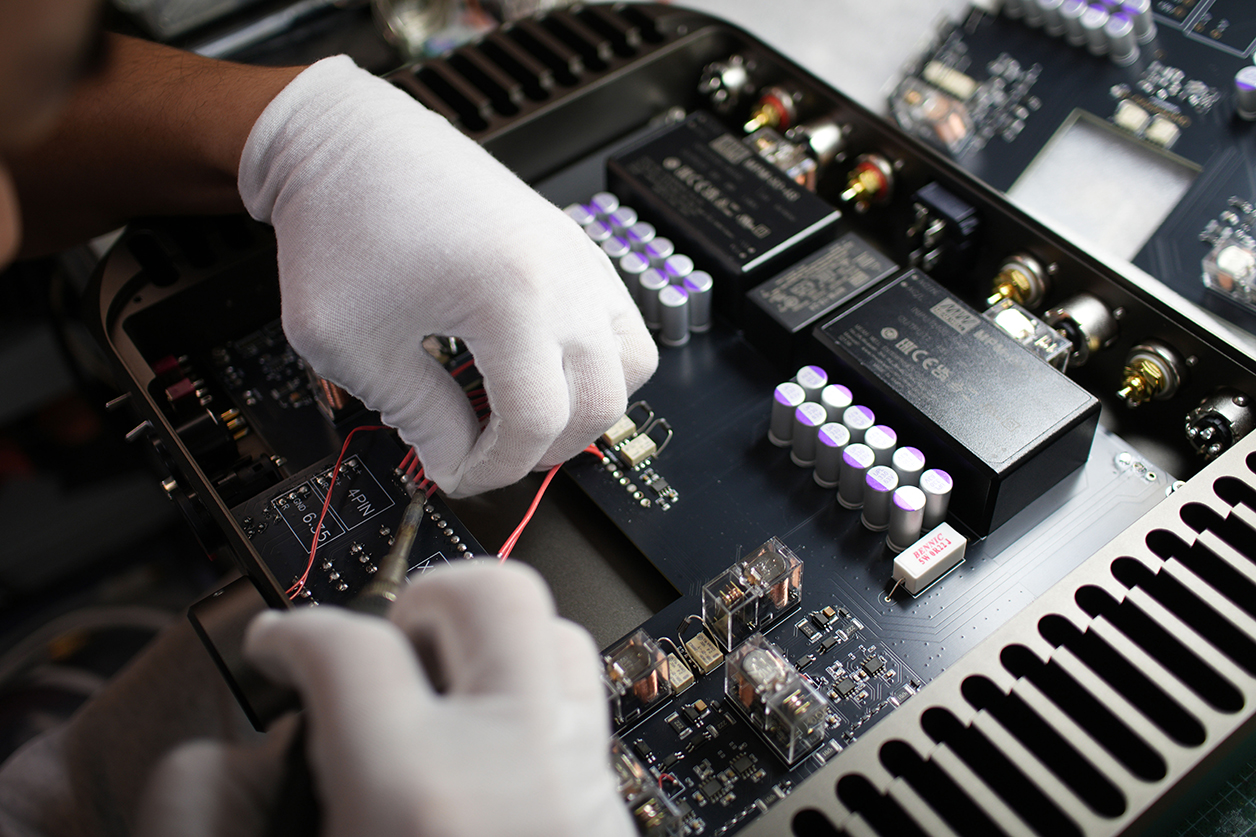
"Regarding your question about 40 watts into 32Ω seeming excessive. On paper, most headphones do not require that level of continuous power. If one considers only steady-state listening levels, far less would suffice. However, our design target was not average power consumption but operating behaviour under dynamic conditions. Planarmagnetic drivers can present complex current demands during transient peaks. An amplifier operating near its limits—even if nominal wattage appears sufficient—may exhibit subtle compression or reduced control. By designing Dionysus with large voltage and current reserves, the amplifier operates in an effortless region during normal listening. In practice it rarely uses more than a small fraction of its rated output. The additional capacity is not intended to be used fully. It is intended to remain as headroom. This translates into composure, stability and control rather than simply loudness. At the same time, achieving high output capability while maintaining very low noise for IEM use was one of our core engineering challenges. The objective was versatility without compromise, not brute force.
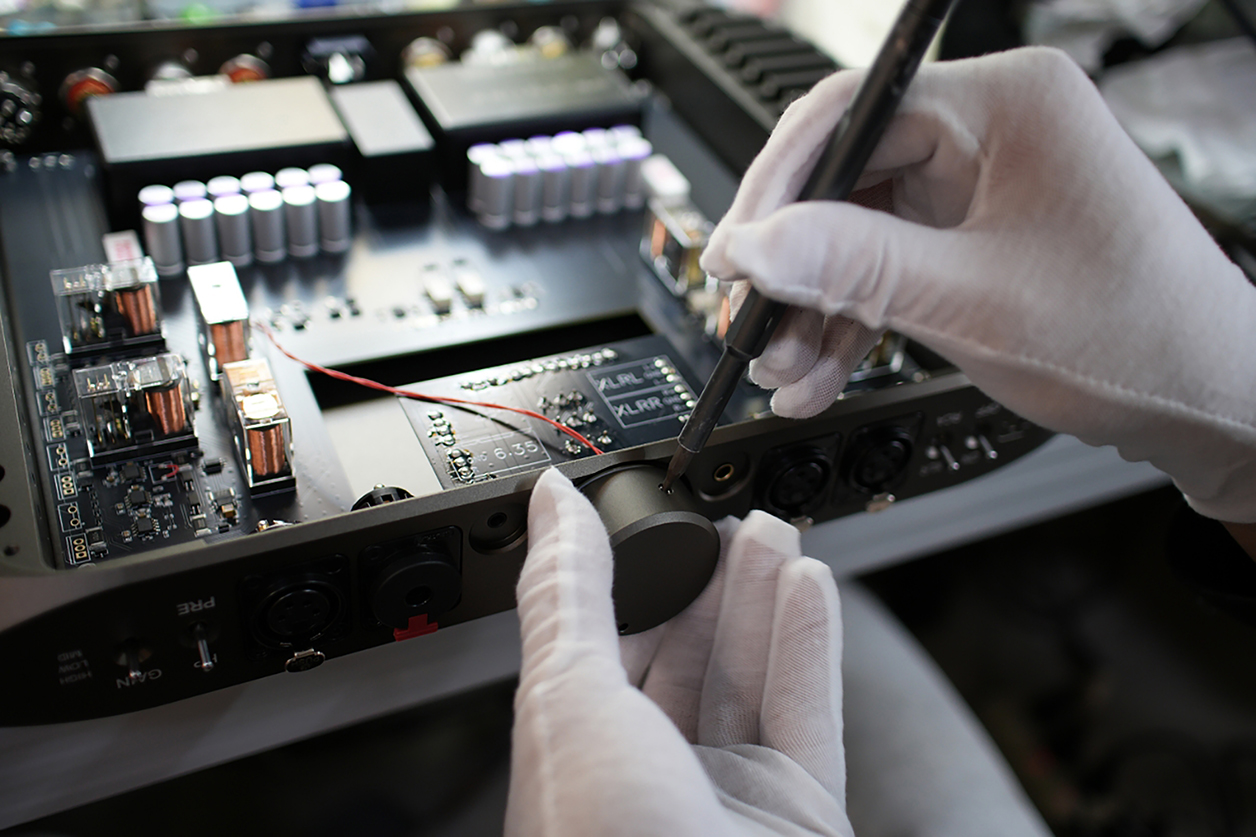
"In practical terms: low gain (1x) can drive IEMs quietly and cleanly. Medium gain (4.2x) comfortably drives virtually all dynamic and planar headphones including Susvara. High gain (15.2x) is mainly for very low-level recordings or unusually low-output DACs and is rarely required. Input impedance: ~100kΩ. Output impedance: 0.1Ω. For headphone listening we recommend low or medium gain. For preamplifier output we recommend low gain mode. Regarding the volume attenuation curve, we use a proprietary implementation designed to ensure smooth progression and avoid abrupt loudness increase at the beginning of rotation. FangSound remains intentionally small. We are not driven by market positioning but by listening priorities. We build products we ourselves want to use long term." – Zheng Jinqiang
With the backstory in place and this product assessment capped off with our award, all that remains to say about this FangSound Dionysus is that I've asked for an invoice. I want it to continue centring my desktop system as a superlative drive-anything headphone amp and equally fantastic preamp. From now on I'll never have to wonder whether I have sufficient headfi drive for come what may. If that sounds like a blank invite for monster headphones to visit—hint!—so be it.