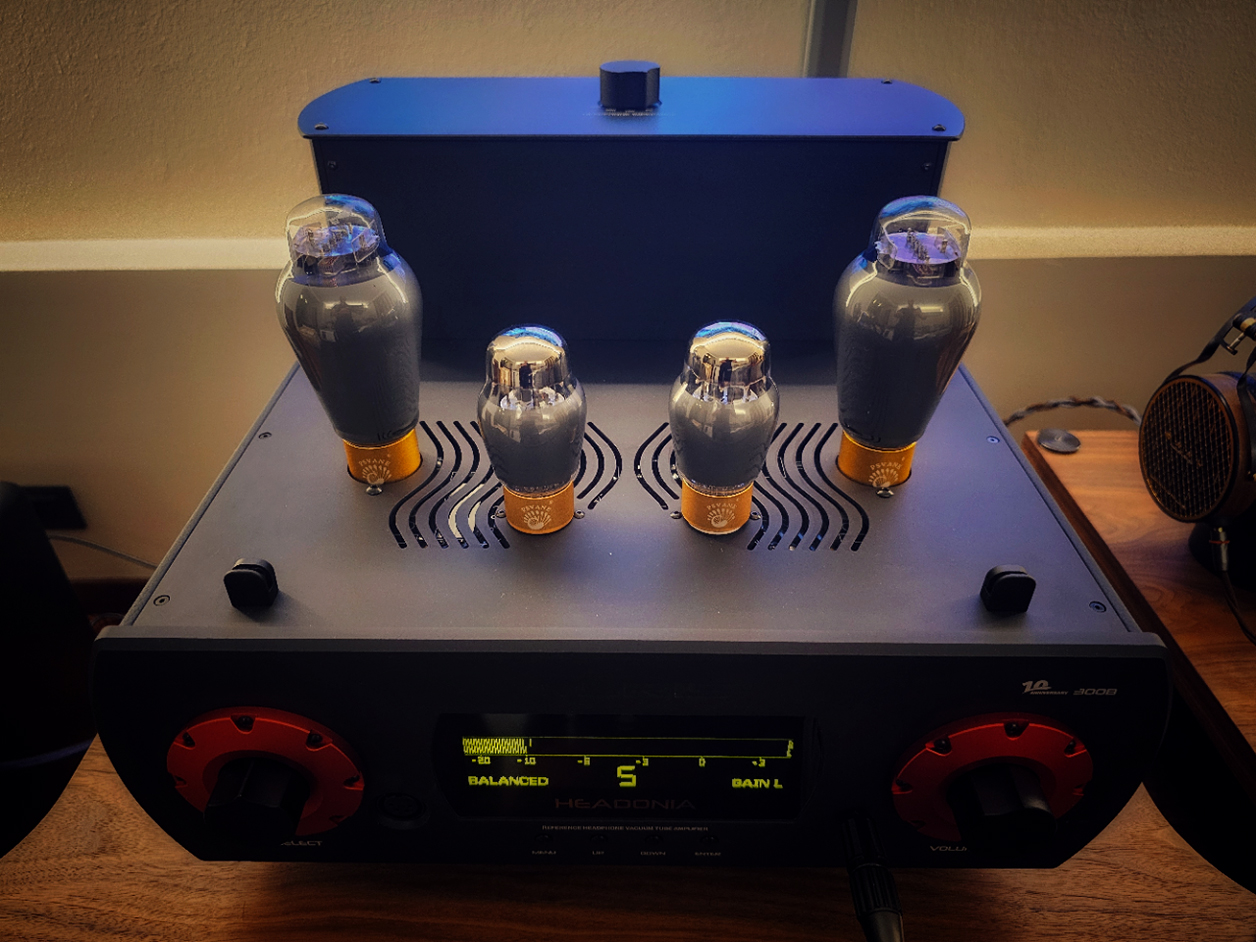
I tested Headonia with two headphones, the Raal 1995 Immanis and Spirit Torino Valkyria. It's a pairing I selected for sheer personal pleasure. By being so differently tuned, this combo allows me to put the rest of my system to the test in the context of almost polar opposites. Where Valkyria appreciates clean, fast, neutral company, Immanis to my ears works best off an organic, meaty supply from the upstream chain. Both are very revealing, with the Serbian triple ribbons being the more chameleonic of the two, exposing the traits of what's injected in beautifully ruthless fashion. I used Headonia in high gain at 32Ω with Immanis and mostly in low gain at 80Ω with Valkyria after trying various settings on both. I must note that Headonia, while totally immune to mechanical noise, did inject a slight amount of electrical noise into Valkyria though that went unnoticed once music played. Immanis exhibited zero audible noise.
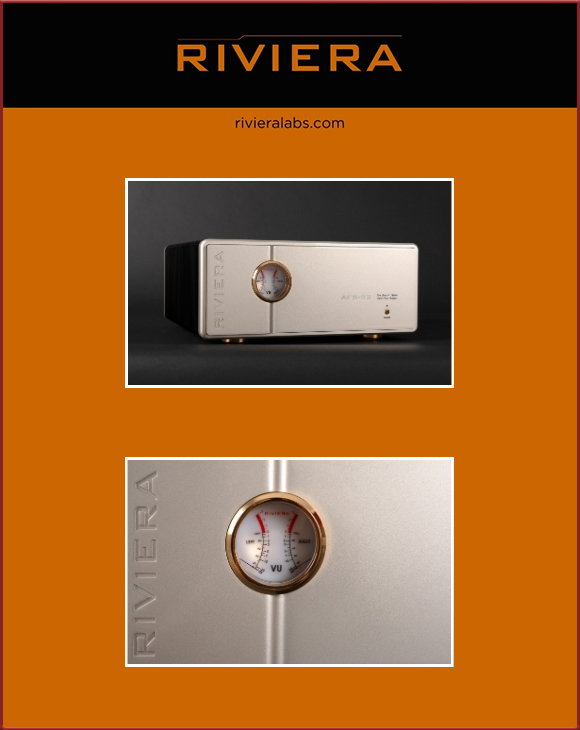
When swapping headphones, I appreciated that Headonia reduced volume to zero each time I switched gain. Also, when you switch the amplifier on, it always starts in low gain. Given the dramatic volume change between both settings, this was a smart move by Milomir's team to prevent potentially serious damage to our precious headphones or ears. My reference amplifier is a Riviera Labs AIC-10. I also relied on my very detailed notes on Trafomatic's Primavera for some recent memory-based comparison. By the way, in recent times I learnt of several excellent Serbian hifi products so was curious to ask about Miki's view given their relatively small country. Apart from his joke about the Nikola Tesla DNA, he mentioned the quality of Serbia's educational system regarding electronics and electrical engineering; and the push for music lovers of his generation to plunge into DIY due to difficult or expensive access to hifi imports.










After its 1938 introduction by Western Electric as a successor to the 300A, the elegant 300B direct-heated power triode has established itself as perhaps the most idiomatic and recognizable component of high-end tube amps. When used in SET configuration, it is often associated with the epitome of classic tube sound so strongly rooted in the midrange and holography but not as punchy or controlled in the bass and somewhat edulcorated. When I asked Miki for his objectives and priorities when designing Headonia, he put on his studio engineer cap with the so-called "straight wire with gain" answer so no colorizing intervention whatsoever. He even takes it as a compliment when listeners report that Headonia sounds like transistors. The intent of delivering a clean dynamic signal was apparent in my own listening sessions. Still, the 2nd harmonic-dominant THD of single-ended tubes circuits was the sound signature of this amplifier by way of an aura which enriched the midrange to make vocals and stringed instruments float in a palpable and persuasive fashion.
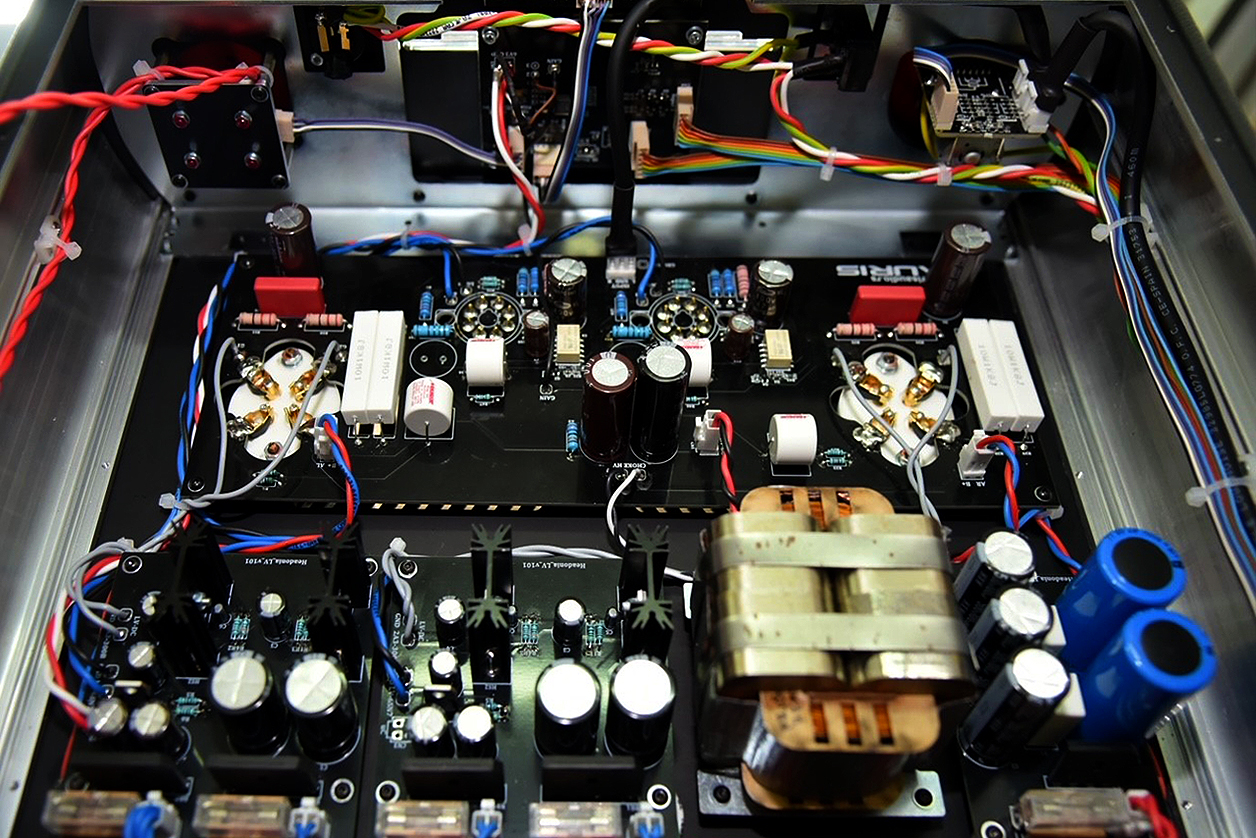
 My take on Headonia's midrange is of a very tasteful balance between body and clarity plus an enticing tinge of that glowing hue or haziness that classic 300B amps sometimes overdo. It energizes musical images although listeners wanting extreme definition and separation may prefer a more crystallized presentation. Give it a mid-sized orchestra like a bandwidth-limited Baroque ensemble and instruments present with nice layering and air even if the atmospheric cohesiveness and density in terms of sound and stage organization are more embedded than explicit. Of course here recording technique dominates but by comparison, my hybrid AIC-10 threw a larger more 3D landscape that was more open and less tonally saturated. Tracks with foreground vocals against diverse background accompaniment like the double bass on Mari Sakamoto's "Georgia on My Mind" on the other hand benefitted from the midrange aura by giving the voice an inviting forwardness, warmth and reach due to larger apparent volume so at the expense of ultimate transparency as in when solid musical images appear to pop out against a totally black background.