Country of Origin

Reviewer: Srajan Ebaen
Financial interests: click here
Main system: Sources: Retina 5K 27" iMac (i5, 256GB SSD, 40GB RAM, Sonoma 14), 4TB external SSD with Thunderbolt 3, Audirvana Studio, Qobuz Sublime, Singxer SU-6 USB bridge, LHY Audio SW-8 & SW-6 switch, Sonnet Pasithea, Laiv Audio Harmony; Active filter: Lifesaver Audio Gradient Box 2; Power amplifiers: Vinshine Audio x Kinki Studio Dazzle & Gold Note PA-10 Evo in mono on subwoofer; Headamp: Enleum AMP-23R; Phones: Raal 1995 Immanis; Loudspeakers: Qualio IQ [on loan] Cables: Exact Express Flame, Furutech; Power delivery: 2 x Kinki/Vinshine Tai Hang on amps and source stack, Furutech DPS-4.1 between wall and conditioners; Equipment rack: Artesanía Audio Exoteryc double-wide 3-tier with optional glass shelves, Exoteryc amp stands; Sundry accessories: Acoustic System resonators, AudioQuest FogLifters; Room: 6 x 8m with open door behind listening seat; Room treatment: 2 x PSI Audio AVAA C214 active bass traps
2nd system: Source: FiiO R7 into Soundaware D300Ref SD transport to Cen.Grand DSDAC 1.0 Deluxe with POW; Preamp/filter: Lifesaver Audio Gradient Box 2; Amplifier: Kinki Studio EX-B7 monos; Loudspeakers: Virtual Hifi Cobra [on loan]; Subwoofer: Zu Method; Cable loom: Exact Express Earth; Power delivery: Vibex Granada/Alhambra, Akiko Audio Corelli Corundum & Castello Solo; Equipment rack: Hifistay Mythology Transform X-Frame [on extended loan]; Sundry accessories: Furutech cable lifts, Furutech NFC Clear Lines; Room: ~3.5 x 8m
2nd headfi system: DAC: Cen.Grand DSDAC 1.0 Deluxe with POW; Headamp: Cen.Grand Silver Fox; Headphones: Raal 1995 Magna, HifiMan Susvara
Desktop system: Source: HP Z2 work station Win11/64; USB bridge: LHY UIP; DAC + Head/preamp: Audalytic DR70 + HP70 both on LHY LPS-80 Dual; Speaker amps: Topping B200 monos; Loudspeakers: Virtual Hifi Viper; Headphones: Final D-8000, aune SR7000, FiiO FT7
Upstairs headfi system: FiiO R7; Headphones: Meze 109 Pro, Fiio FT3
2nd upstairs speaker system: Source: FiiO R7; Integrated amplifier: Simon Audio Lab i5; Loudspeakers: ModalAkustik Musikboxx with Dynaudio S18 subwoofer
2-channel video system: Source: Oppo BDP-105; All-in-One: Gold Note IS-1000 Deluxe; Loudspeakers: Zu Soul VI; Subwoofer: Zu Submission; Power delivery: Furutech eTP-8, Room: ~6x4m
Review component retail: €3'399 incl. VAT
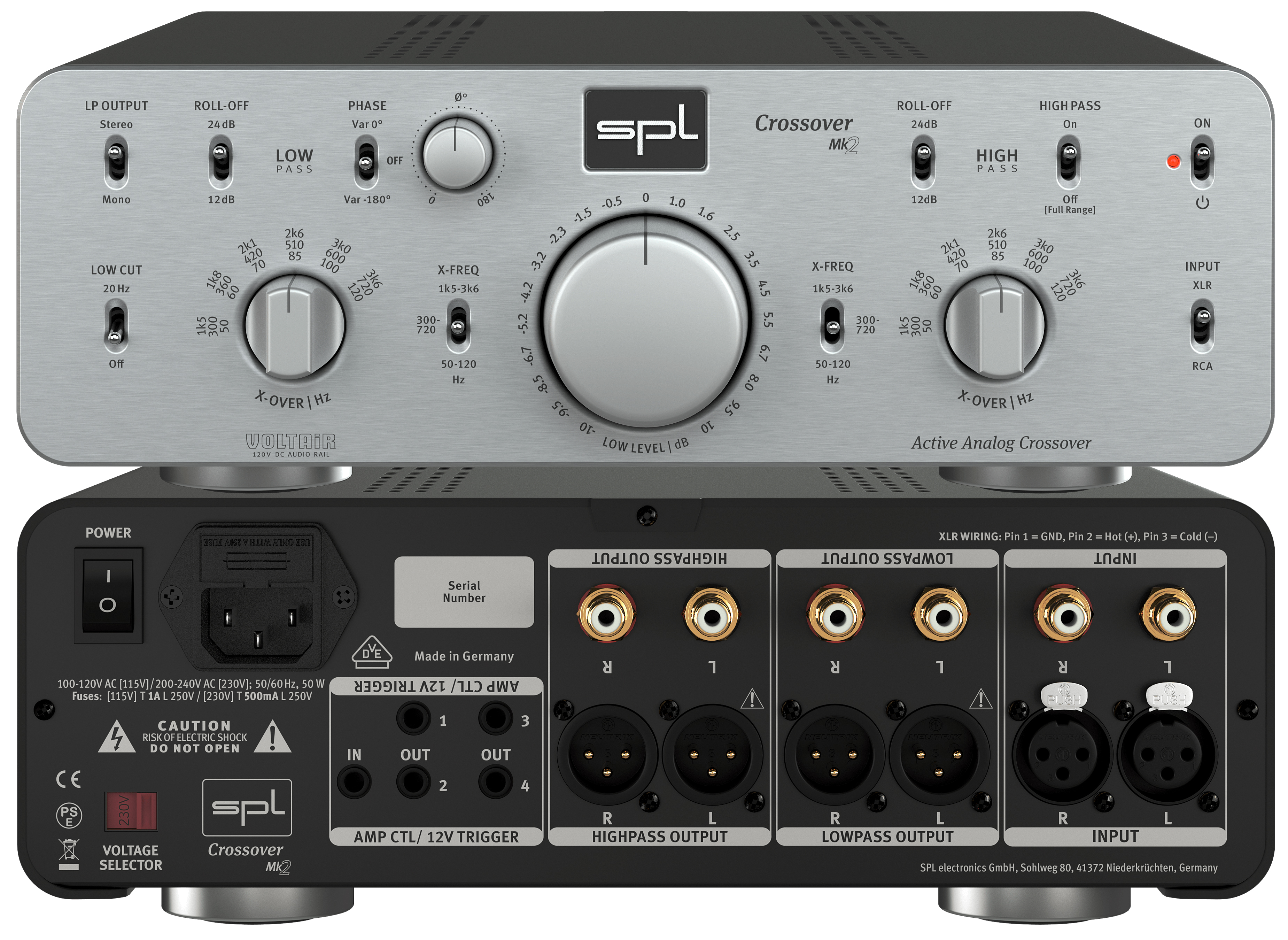
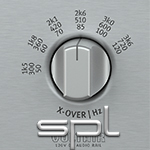
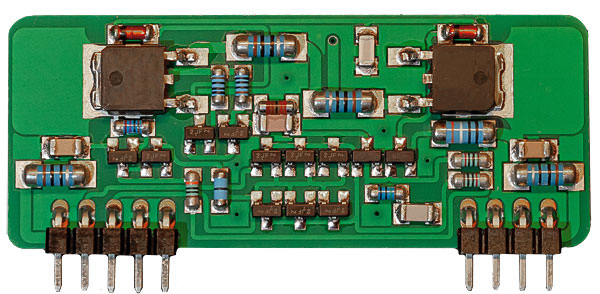 Like the cool music we get when crossing a refrigerator with a stereo, crossing over from stereo 2.0 to stereo 2.1 or 2.2 is like friends with benefits; not what we get when crossing a pit bull with a computer: when it megabytes, it megahertz. Whilst still on wordy mistakes, SPL Audio aren't named for going loud but Sound Performance Lab. Back to crossing, a properly integrated subwoofer ideally wants an external crossover whereby to execute mirror-imaged high/low-pass feeds. That generates a phase-consistent handover whilst eliminating LF from presenting at the speaker voice coils. It nets lower dynamic compression from lesser voice-coil temps whilst minimized stroke improves precision and timing. Certain popular consumer electronics integrate DSP-based bass management including assignable high-pass frequencies. But should our hardware lack said provision, a quality pure analogue active solution like today's Crossover Mk2 squares that circle. The photos are perfectly self-explanatory to require no description other than "Voltair 120V DC Audio Rail" on the lower left edge of the fascia. This refers to SPL's discrete op-amps running on ±60V¹ power rails so four times hotter than conventional chips. Their use promises more headroom, higher dynamic range and lower THD+N [see Supra op-amp at right].
_____________________
¹ As a famous brand for studio and consumer gear, Weiss Engineering of Switzerland too build their own discrete opamps, some for OEM, some for Weiss gear. Their operating voltage is a standard ±15V or a range of ±5 to ±18V with an absolute max rating of ±22V. From the associated White Paper, the following relates directly to today's subject: "Operational amplifiers fabricated as integrated circuits (IC) are ubiquitous due to low cost, small size and generally good performance. However, discrete amplifier implementation offers substantial advantages if highest performance is demanded. Within an IC all parts are tightly coupled thermally. This results in considerable interaction of the various gain stages. Particularly troublesome is differential heating of the input stage as a result of output stage power dissipation. This alters open-loop gain and causes additional LF and IM distortion. With a discrete implementation, input and output stage as well as any other critical circuitry can be physically separated with suitable layout. As thermal coupling then mostly happens through air which is a weak thermal conductor, thermal effects are most effectively reduced to insignificant levels. Amplifiers implemented as IC typically include parasitic semiconductor elements, mostly diodes, which connect to the IC substrate. The associated voltage-dependent junction capacitances can lead to excess HF distortion at critical amplifier nodes. Particularly objectionable is voltage-dependent capacitance at the opamp's non-inverting input. This will lead to very high levels of distortion if the amplifier is used in a non-inverting configuration and driven from a high source impedance.
"Discrete circuits are inherently free from parasitic substrate elements so don't suffer these deficiencies. The maximum power dissipation of typical IC packages, in particular more recent SMD types, is very restricted. This limits both quiescent current and maximum output current to values below what's required for best distortion performance and load driving capability. Inductors of reasonable high value cannot be manufactured with current and likely any future IC technology. The use of inductors in the input stage however enables a unique combination of high slew-rate and very low noise. This is achievable without use of nonlinear slew-enhancement techniques such as dynamic input stage current boosting which typically result in excess HF distortion. While resistors and capacitors manufactured on IC substrates can be designed to have excellent matching characteristics, their absolute tolerance is typically quite poor, 10% or worse unless trimming techniques are used."
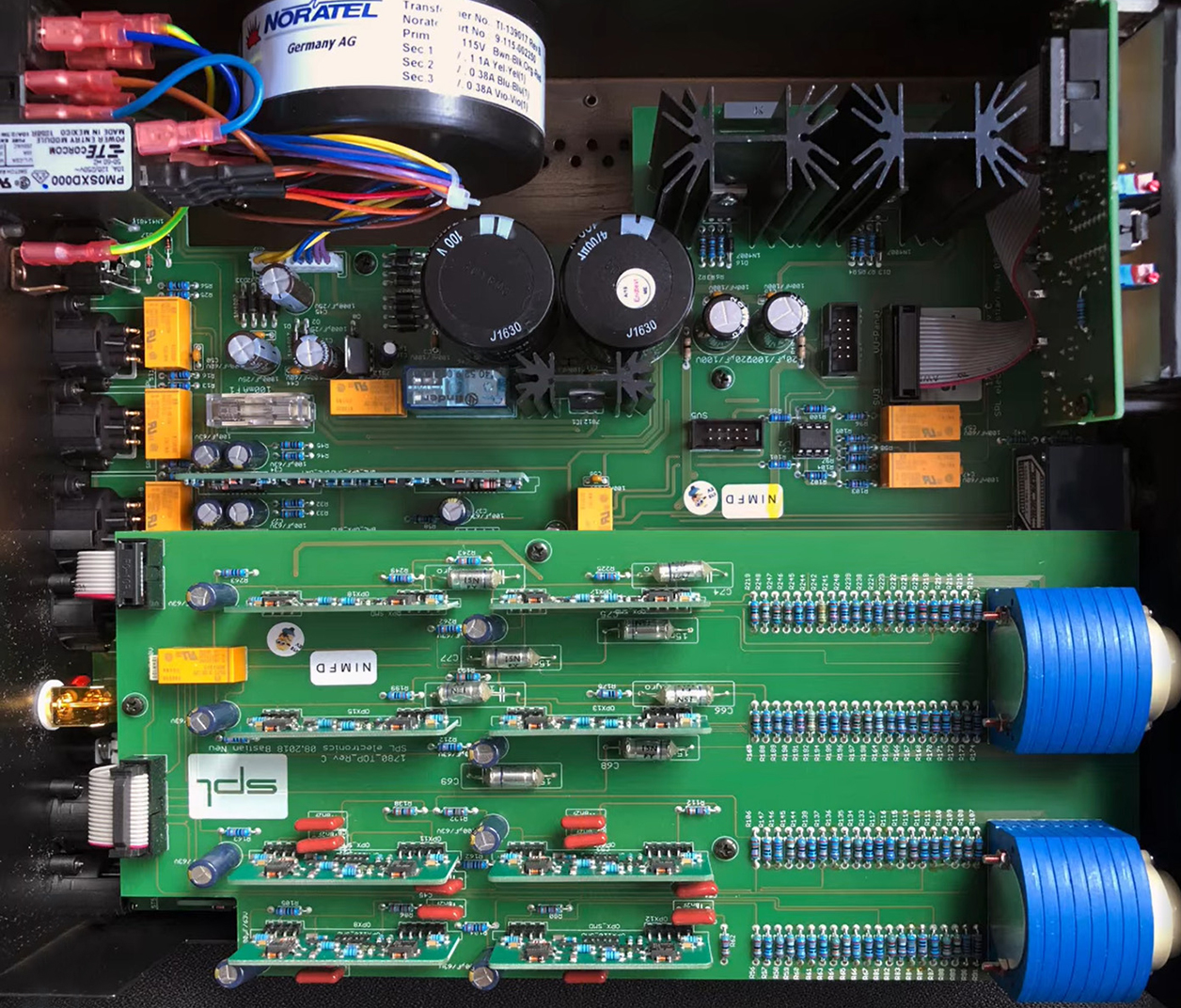 The original or precursor Crossover.









What still bears mention before we explore the benefits of actively crossing speakers with a subwoofer is that in the high-end audio consumer market, active analog crossovers are rare. If they come from German Physiks, Magico or Wilson, they get very costly. Sublime Acoustics' friendlier sticker reduces turnkey convenience because their filter values set by plug-in cards. They do not select instantly with the turn of a rotary. Marchand don't fully look the part. Leave it to the pros at Germany's SPL to author a proper solution in a high-end-looking 2/3rd-width chassis that flies all of the featurization such a device should have whilst leaving us with two kidneys. That it comes in silver, black or red is mere cherry on the whipped cream; on the cake. If you want its flour/sugar content, go here. Why proper baking matters is crystal once we spell out that our precious signal now travels through an extra component. Rather than DAC/pre⇒amp, our chain becomes DAC/pre⇒xover⇒amp. It takes no degree in Audio Analytics to see that if we slaved hard to tune our system just so, adding a traffic cop to split the signal in twain then route it—high-pass to our loudspeakers, low-pass to our sub/s—wants said interloper to be sonically invisible and lossless. With variable not fixed single frequencies, that's probably no simple engineering task. It's precisely why most owners of ambitious systems shun the sheer notion of inserting the high-pass of a subwoofer's generic plate amp; if it even has one. It's too compromised. To earn its high-end keep, the SPL would have to do its double crossing completely in the dark. Leave no fingerprints for aural forensics. Its high-pass defeat/full-range toggle can inspect that whilst the ultimate bypass circumvents the SPL altogether. Then our speakers run wide open to automatically enforce a lower subwoofer entry to match. Being able to raise that transition point to best play our room and de-stress our mains is one of the benefits of crossing over actively; and at easily variable points.
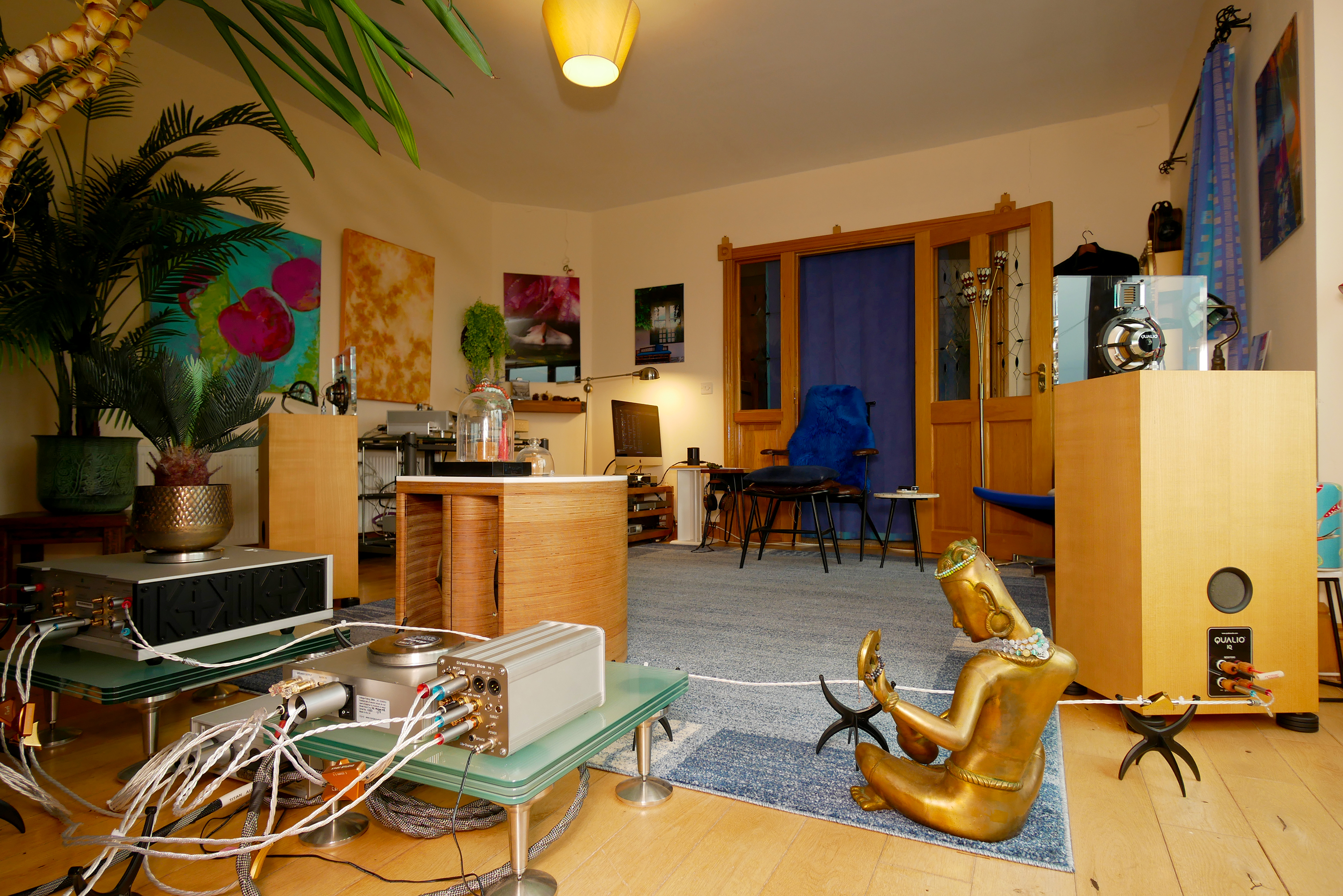
Because the sub in my main system is of the RiPol aka Axel Ridthaler Dipole persuasion so unusually directional and quasi cardioid, my resident crossover sits at 100Hz/4th-order Linkwitz/Riley. It has my 35Hz/70Hz room modes fall inside the sub's bandwidth to benefit from its dispersion cancellation. Two Swiss PSI Audio active bass traps work from 150Hz on down in the two front corners to absorb what the sub's radiation pattern doesn't cancel. With my speakers breaching the 30Hz barrier on their own, I otherwise couldn't use a clever sub as room treatment. They'd ride my modes with obvious resonance whilst successful sub addition would have to enter it so low as to barely add any bandwidth. Then why bother? Add the simple math of each downward halving of frequency quadrupling excursion. By not letting my speakers see 2-plus octaves of bass, their woofers' excursion demands are far reduced. Greater speed and lower distortion become the obvious gains. That and more are fab wins. Check. Yet they all are contingent on having a proper active filter of requisite quality in the first place. Hmm. Once more, choices in our sector are painfully slim. So it's useful to learn about this one from a firm strongly rooted in the studio sector but having successfully crossed over into these pages years ago.
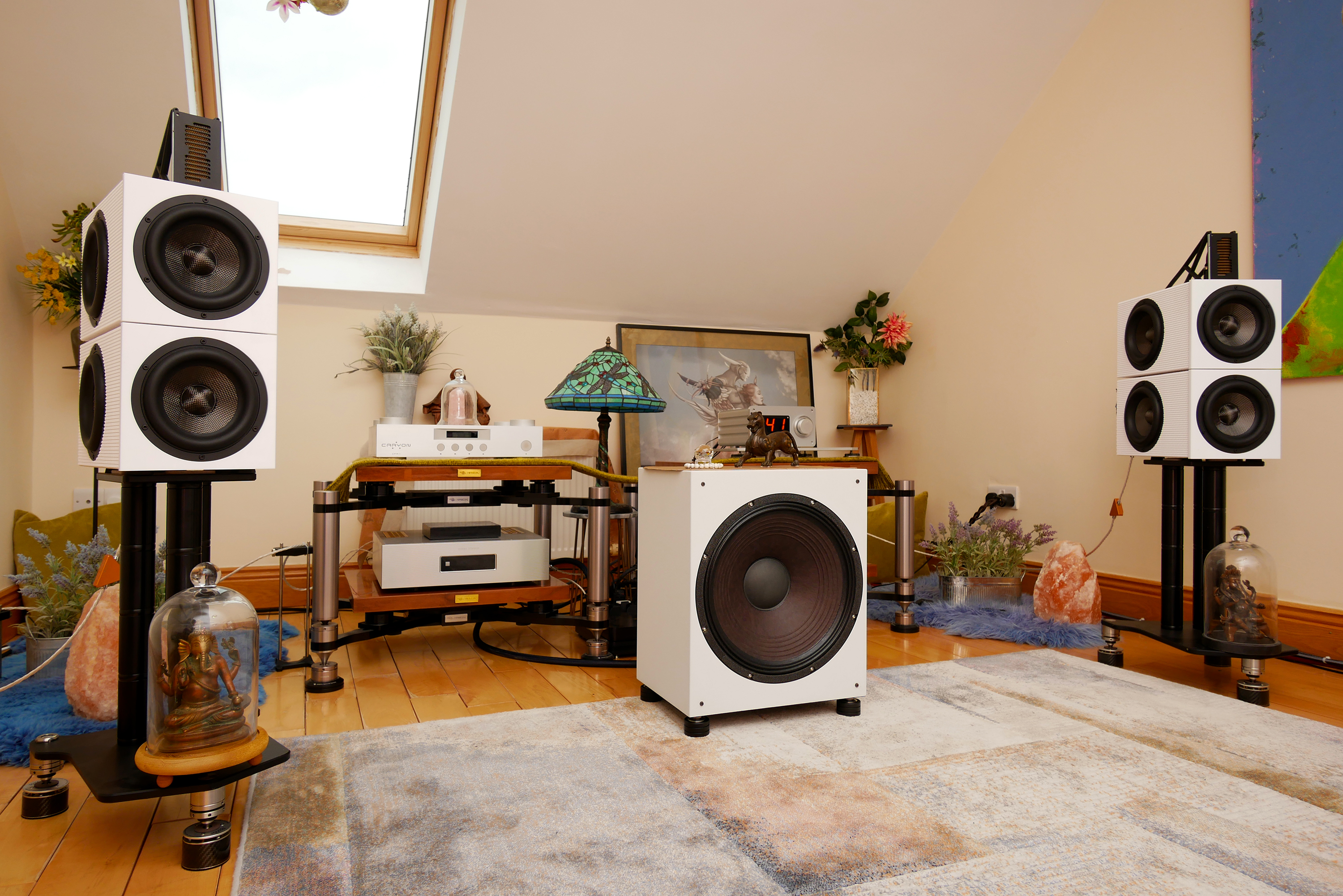
What do you get when you cross poison ivy with a four-leaf clover? A rash of good luck. But why should you never iron your four-leaf clover? Because you don't want to press your luck. That's my cue to get off the cross words and into the listening seat. Well, two seats. This upstairs system too is of the 2.1 persuasion, albeit with a classic omnidirectional sub—Zu's 15-inch Method— so crossed at a much lower 40Hz for less room interaction. My use bypasses the internal Hypex Fusion filter. Enter the SPL. Given its studio roots, I expected the kind of impeccable neutrality that has some audiophiles shun studio monitors but which in this app would be the sweetest medicine of all: making no audible difference by way of seasoning other than perfectly dovetailing speakers and sub. Those who have tried without a quality crossover—or equivalent DSP-based smart bass management—probably haven't heard 2.1/2.2 at its best yet. Once you have, going back to non-adjustable passive bass is a ship burnt. At least it's been for me. Hence my interest in devices which make sophisticated speaker/sub satisfaction easier to achieve for music. Unlike with movies, there our eyes don't dominate to distract the ears.