Yes, a turntable. Such a device is needed to extract the music from the two grooves of an LP. We as music lovers cum audiophiles always want the best quality. The boundaries of possibility are naturally limited by one's budget. It's all too easy to spend an awful lot on an exotic turntable and expect top quality. But the question is, is an expensive turntable, arm and cartridge combination the only way to enjoy high-quality music replay hence satisfaction?

It was this question which led us to today's 3-figure review subject. At two consecutive Dutch shows, we had met Rik Stoet, a pure-blooded vinyl head who operates a brick and mortar hifi shoppe with an on-line extension which includes a vinyl department. Some years ago he designed a turntable and began marketing it under the name Takumi.
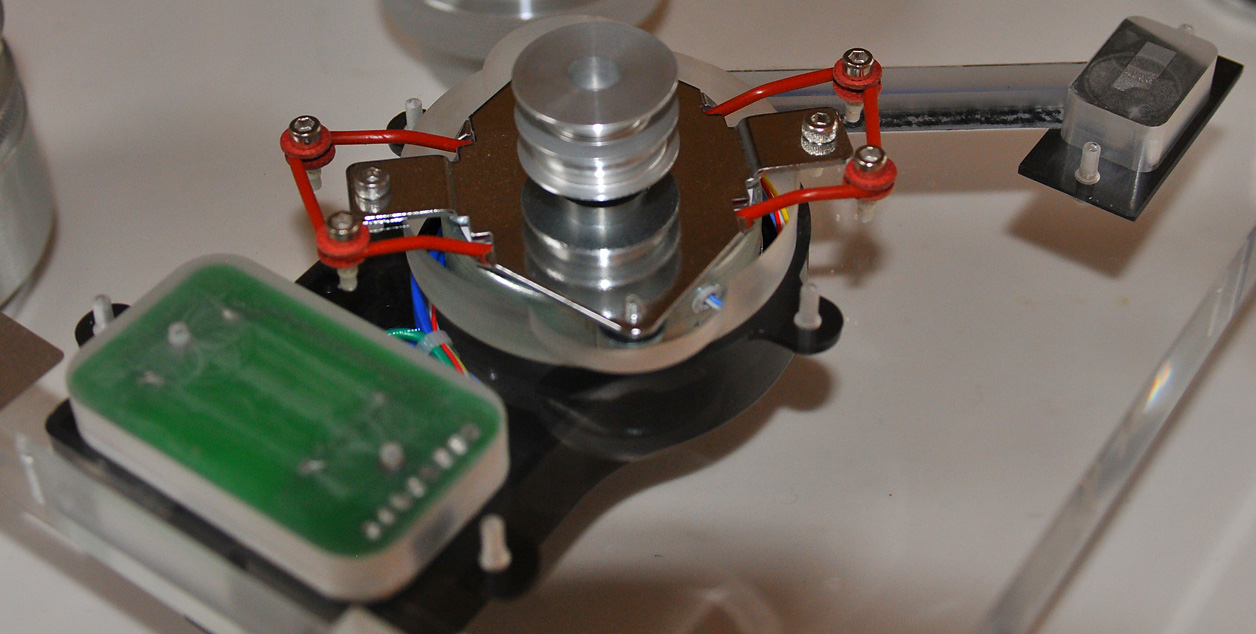
At the shows we visited, Rik showed a work in progress or follow-up on this turntable dubbed the Level 2.1. As with many endeavors, getting a product to market is a long hard road. Nevertheless Rik succeeded to overcome investment worries, manufacturing challenges, quality control demands and shipping hassles from the OEM to him with all the bits and bobs needed to present the customer with a turnkey product.










Designing a product and marketing it at a steep markup is one thing but will it generate substantial sales to first break even by recouping the initial investment, then post actual profits? That's more of a gamble than business guarantee. That's not how Rik Stoet aimed to proceed. His goal was to offer the best quality at a very reasonable price which would include everything for virtual plug 'n' play.
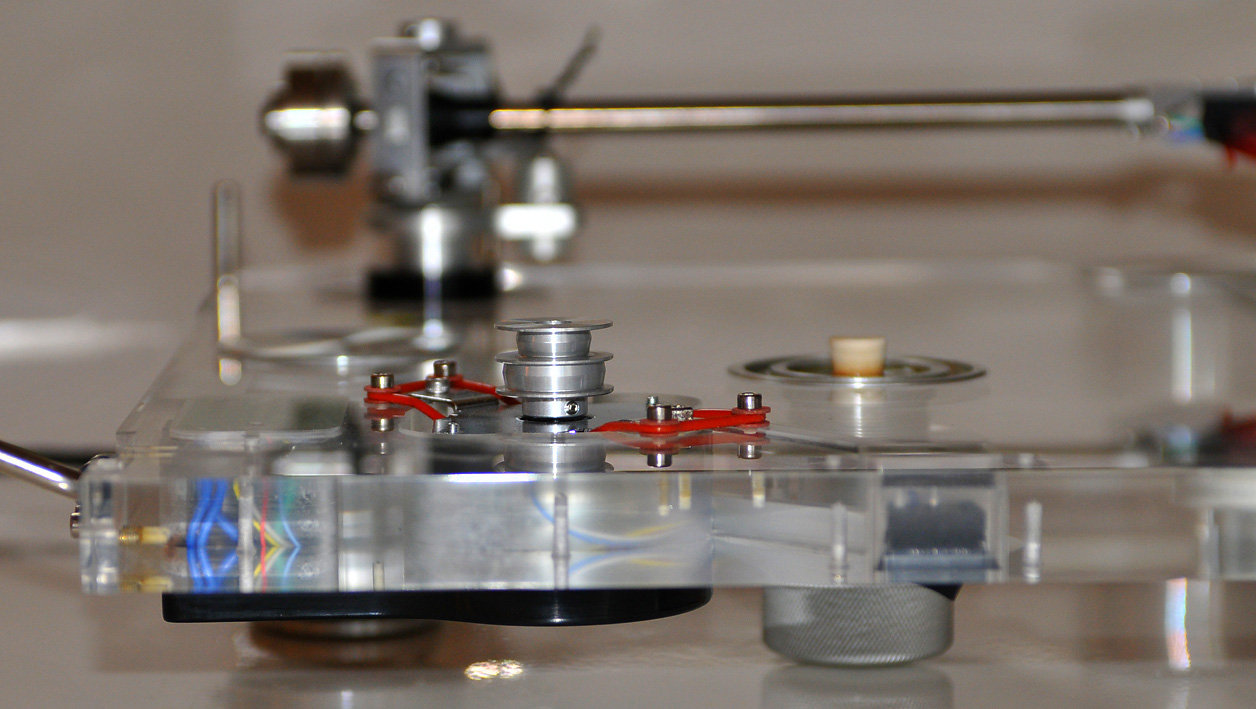
A large part of his design is thus concerned with budget. To attract as many new customers as possible, the product had to be affordable for the serious newcomer as well as someone ready to step up to something better. Haven't we all started off with an old turntable handed down from dad or older sibling? After some time, there's desire for something better and Rik wanted to be in that market as well.
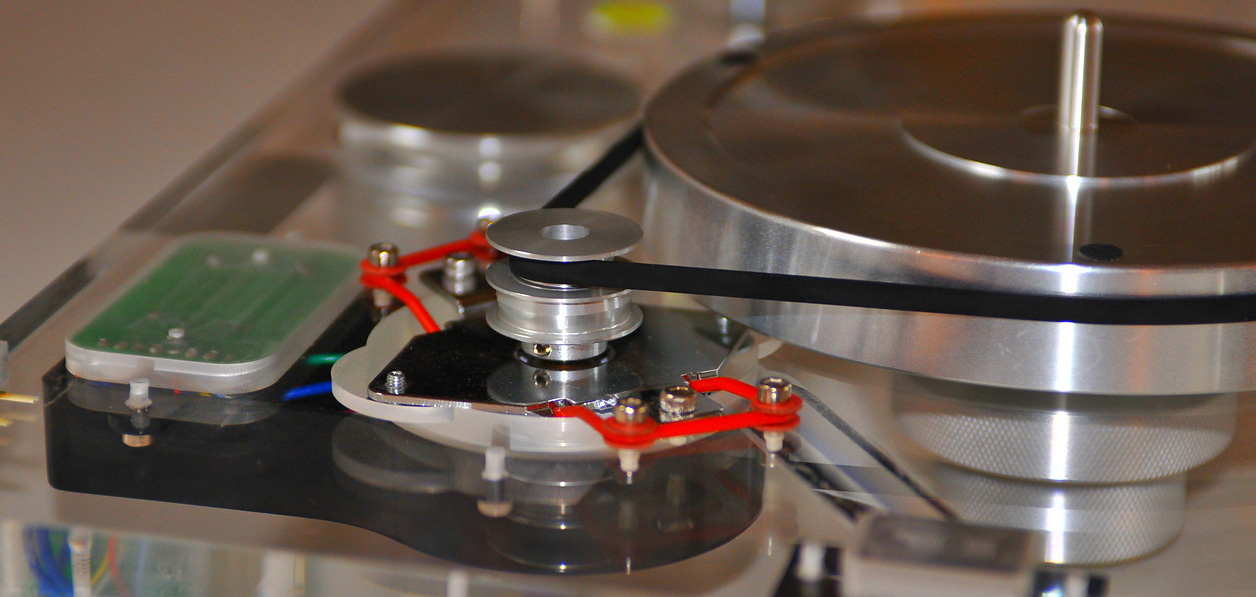
To make his product budget friendly, manufacturing had to take place in a country with lower wages than Holland but still with sufficient tech capabilities. That this meant China is a no-brainer these days. The challenge of cost-efficient manufacturing was one but quality control no faint second. Budget friendly could not translate into cheap.