Part #3: Rediscovering Valkyria. I have a very special relationship with Spirit Torino's Valkyria. It wasn’t love at first sight. Au contraire, actually. When I first tried them at home, I had the Abyss AB-1266 TC and very recently sold SR1a and Susvara. I was addicted to clarity, transparency, subsonic planar bass and airy expansive soundstaging. My first reaction to the Valkyria presentation was, is this thing broken? It sounded closed-in almost muffled and lacked any sub-bass below ~30Hz. As I proceeded listening, I began to notice moments where I felt totally sucked in by the music but was not able to put my finger on why. My short trial ended and I returned the headphones with some disappointment. But during the following days, returning to my Abyss started to feel like a miss especially with acoustic genres which make up most of my usual playlists. Again, it was not easy to rationalize why but became a haunting sense of lack of emotional engagement. Long story short, I made a trip to Turin to re-audition Valkyria and still unconvinced of what I was doing, bought them.
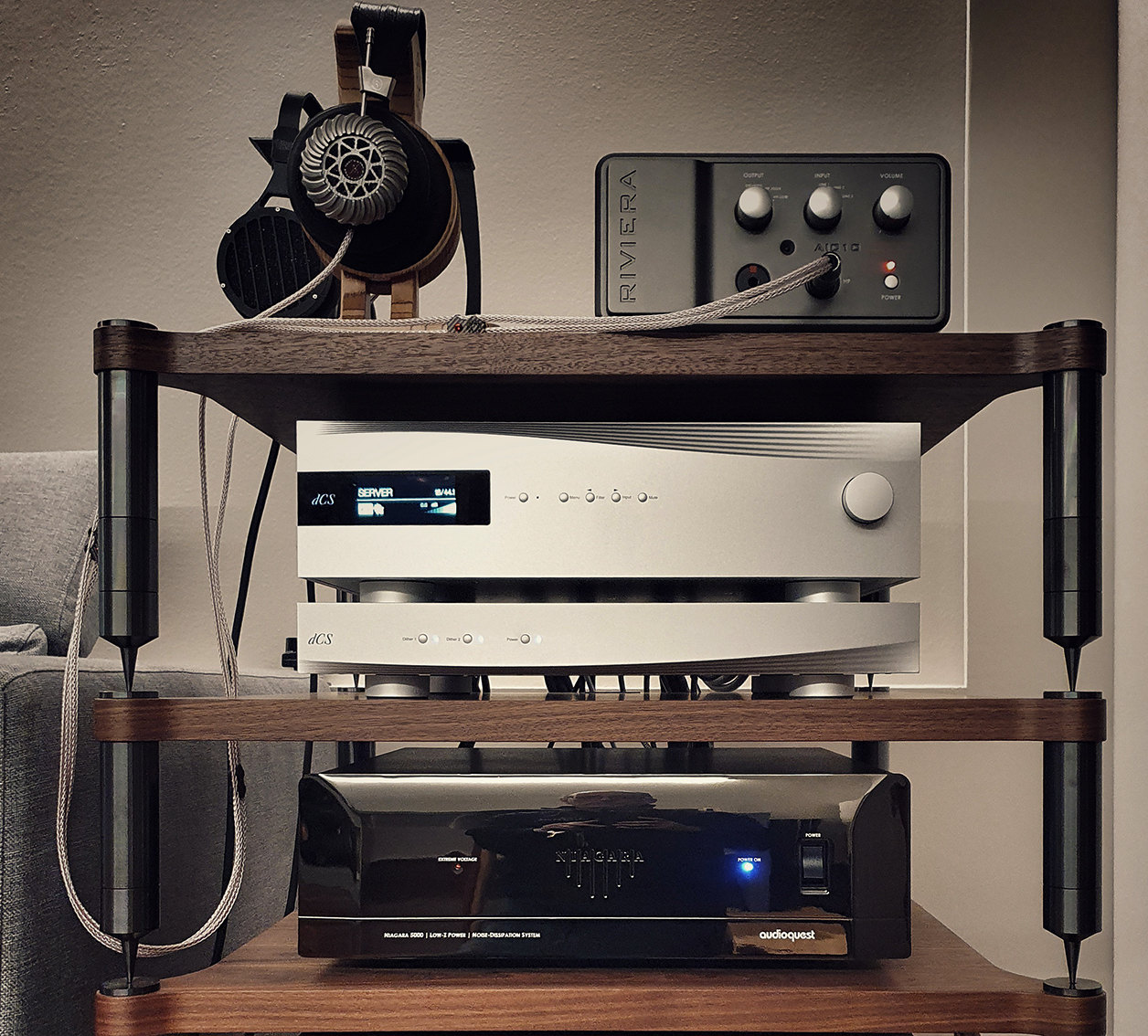
 The following weeks were a journey of recalibrating my ear/brain towards what to expect and listen for. My feelings started to materialize around repetitive patterns and logical sensory acknowledgement. I realized that two core aspects of Valkyria winning out were their masculine tone and how they delivered acoustic energy. The weight of the notes, the midrange density and forcefulness of percussive sounds moved me in very visceral fashion. The sublimation of this was piano music. I could finally hear the entirety of piano sound, all parts of its machinery, the strings, felt, hammers, soundboard and structure of the instrument were at play in so convincing, apparent and physical a way that previously I had only experienced live or with big speakers. Massed strings and orchestras too were loaded with an organic cohesive charge that grabbed me by the shorthairs more than any other headphone I had before. It took a few months then became a point of no return. Valkyria would remain my daily driver. Around the same time I started re-attending live concerts regularly. It was the end of the pandemic. That sealed the Valkyria deal by reinforcing my perception of their sonic authenticity. Several upgrades took place in the rest of my chain and with every single one, Valkyria scaled performance. The introduction of the dCS Rossini stack for example was very beneficial in terms of soundstage scale, resolution and transparency.












With the arrival of the LampizatOr Horizon, I had to reassess Valkyria. While the pairing with Immanis resulted in an obvious huge improvement across the board, that was not the case with Valkyria. On one hand, the level of refinement and smoothness of midrange and treble was immediately apparent, making vocals and high-pitched strings like violin and harpsichord more pleasing as though tinted by glowing candlelight. Also, the space wherein the music arose attained a sort of physicality, making the presence of musicians more tactile. On the other hand, the definition of transients softened, strings came out a bit too romantic and their grittiness smoothed to a liquidity which they do not have in the real world. The overall presentation became romantic, less aggressive but also less engaging. The sheer violence that Valkyria was able to convey on piano and brasses had emasculated.
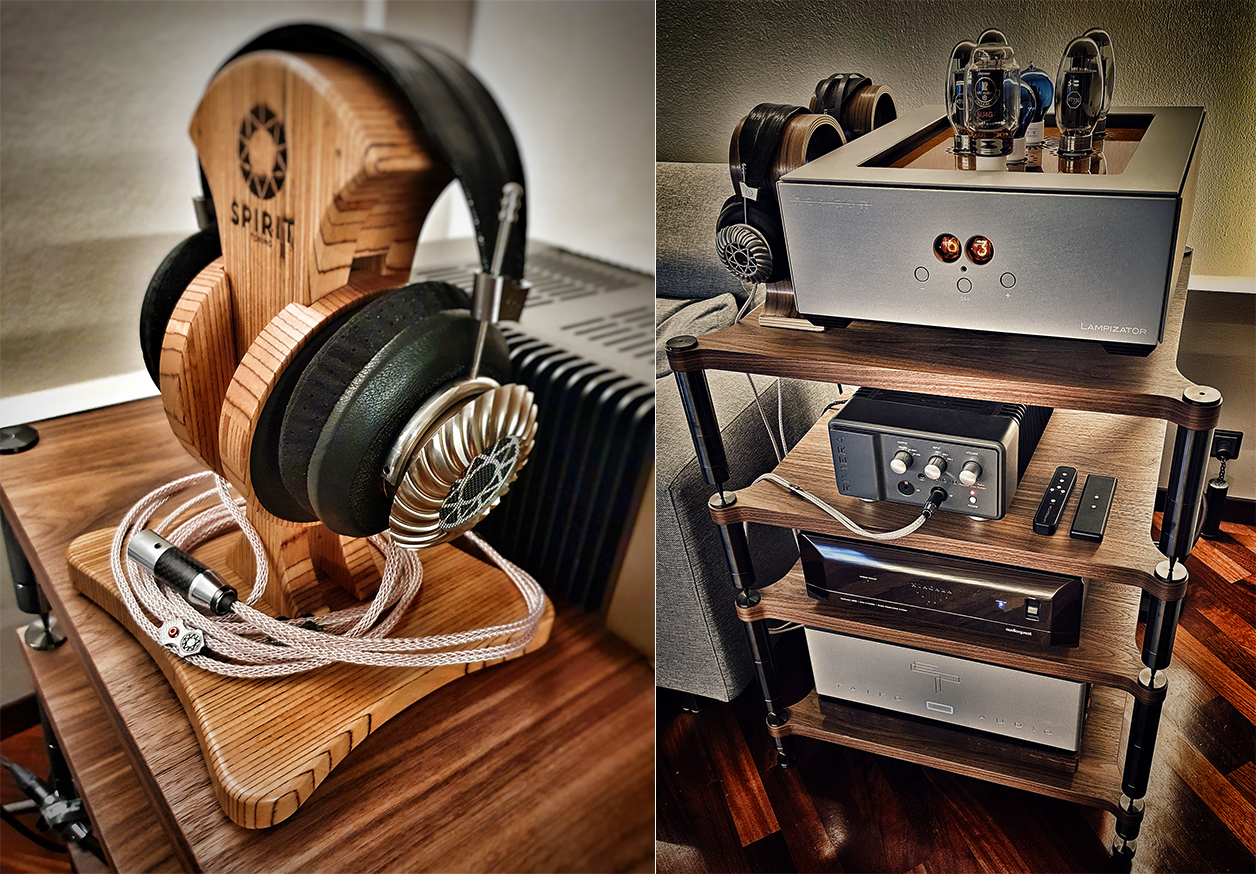
Then I remembered that my AIC-10 amp still rode my most euphoric NOS Mullard, a move I had made when I was struggling with some treble edginess from the Rossini/Immanis pairing. So I restored the Telefunken G73-R which after relative extensive tube rolling had previously presented the best synergy with Valkyria.
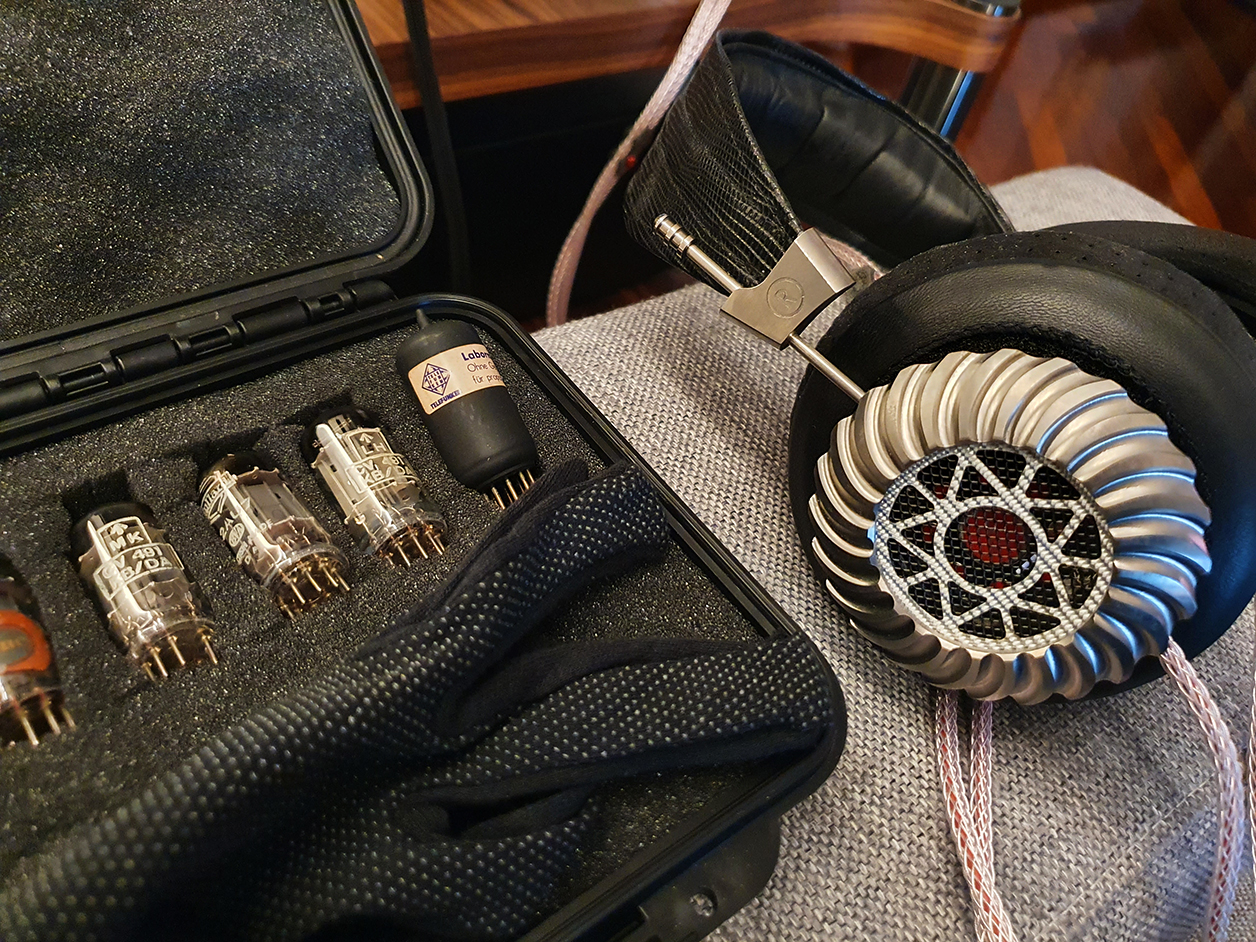
And she was back. It may surprise how a single tube can change the character of the Riviera Labs amp but I experienced this consistently and actually consider this feature a definite plus, allowing the hybrid to act like a chameleon. This established a better balance between organic substance, smoothness and brute dynamics, speed and focus. I was happy again. It was not the sharp precision of the dCS stack or its nearly pitch-black background but the nature of Valkyria could express itself again unrestrained and a bit wild as created by their designer. To further assess the G73-R effect, I went back to Immanis and realized that after the installation of the Horizon, the additional warmth of the Mullard was redundant.
 Immanis and Valkyria remain very different animals. Valkyria is more forward, intense, dark and weighty, Immanis more open, fast and fully extended into the sub-bass. If these were fine wines, Immanis went from a champagne on the dCS to a Montrachet with the Horizon whereas Valkyria gravitates to the flavours of an Amarone. Alternating between the two allows me to engage with music in significantly different but equally enthralling ways. This brings me to the present moment as I am penning these notes. Indeed, the last few months of my audiophile life have been quite busy, even challenging, but always in a fun fashion and with a really happy outcome.
I feel that my system now reflects my expectations for music enjoyment better than ever by bringing the emotional side of the experience to the fore which to me implies authenticity of tone, liveliness and impact of real sounds plus persuasive spatial immanence. This won't prevent me from seeking further improvements as there are areas of the setup that can still be developed or experimented with. Plus, there’s the adventure of tube rolling the Horizon beckoning. Fun times ahead!