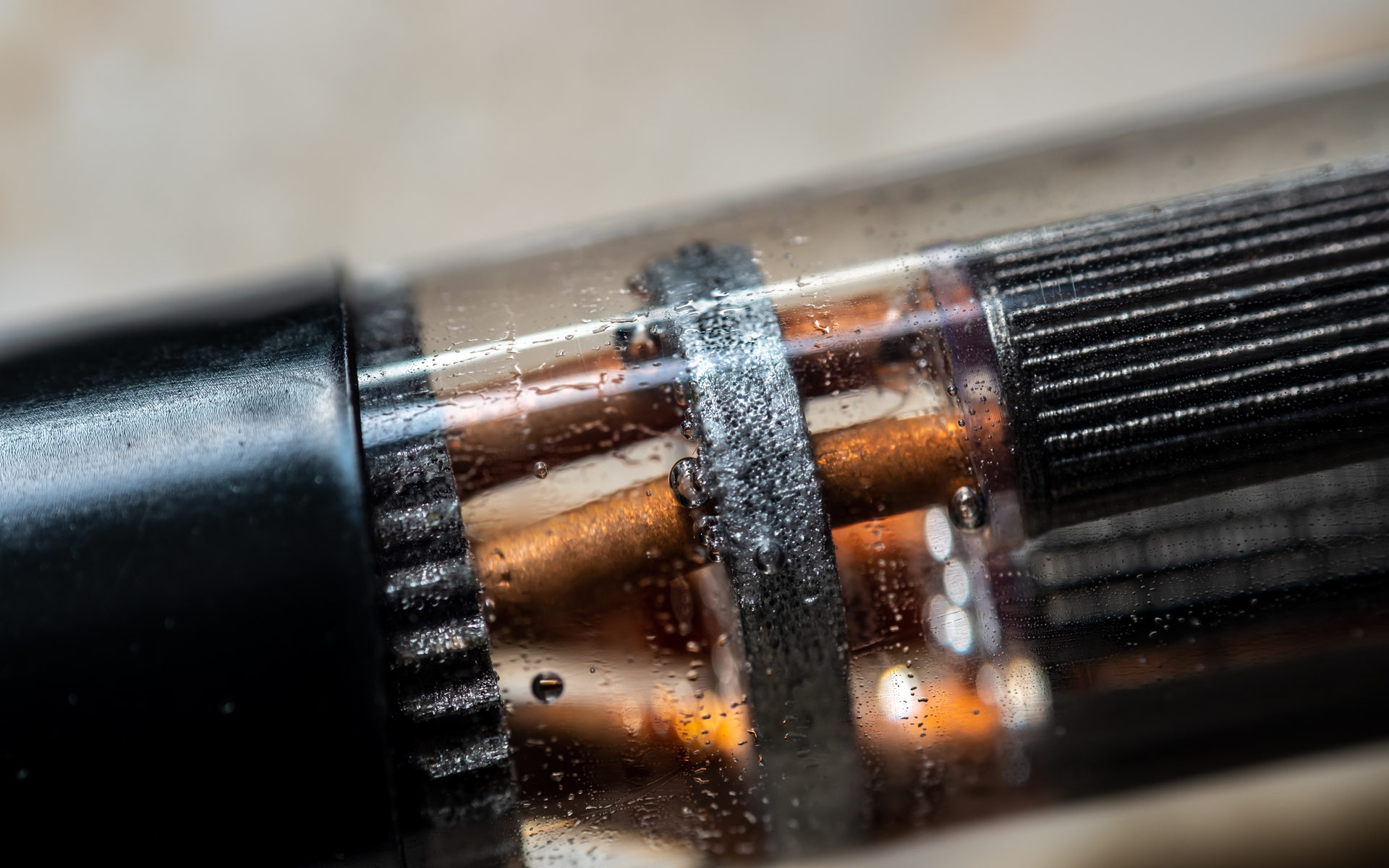
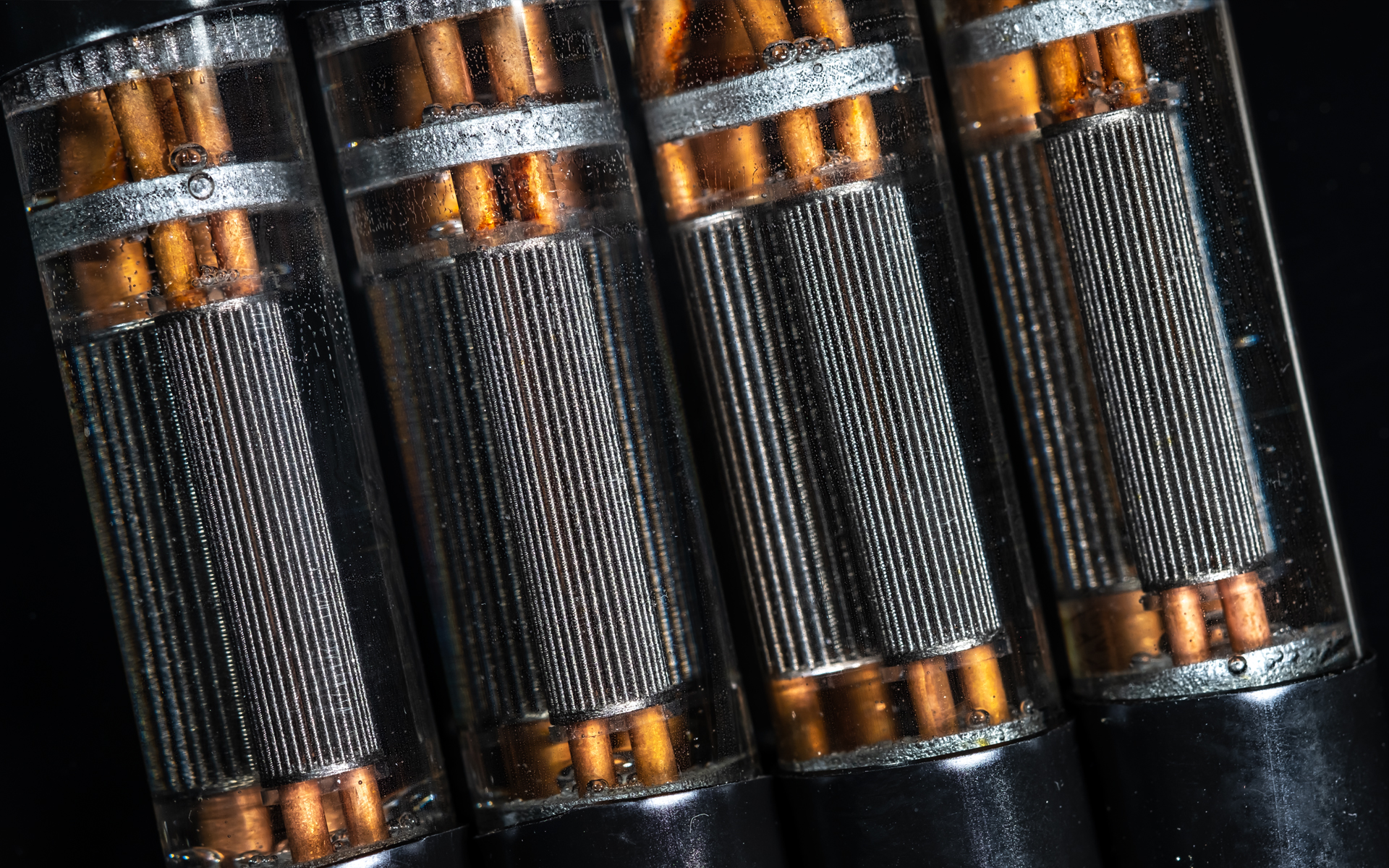
Let's start with what I think about the originals: "Not only do I deem Firewalls very useful with all kinds of speakers, I haven't yet encountered one that wouldn't audibly benefit. The purist rear-horn-loaded wideband breed is known for its direct quicksilvery aroma and a somewhat shouty lean attitude that can be shy on bass. To offset that, a suitable amp is a must. More importantly, these crossoverless loads are highly revealing in the sense that they track and magnify even tiniest changes in our setups more clearly than most regular two- or three-ways. Ever since the Firewall arrival in early 2020 I had the pleasure of hosting five wideband specimens. Each was very fond of these accessories. Rounder and fleshier vocals, a wider color palette, increased fullness, longer decays, weightier treble, higher clarity and less shout, edginess and grit were the benefits most widebander aficionados would appreciate. All things considered, I can't fault these Firewalls for anything. In my book they have no downsides and are child's play to use. This is why in my system I see LessLoss Firewalls as necessities not optional accessories. Their work may seem mild at first but disengaging them after a week or two of constant use is painful. Then it hits us how much these small barrels contribute or rather, how much is lost upon taking them away. It seems fitting to call them highly advanced inline filters but not necessarily accurate. Srajan already pointed out that Firewalls condition signal to reveal information previously masked by residual noise. Their work is thus opposite to subtractive filtering. Since I fully agree, in my review I wrote that Firewalls don't add anything to a system's voicing that is not already there. These aren't tools meant to alter core flavor. Instead they show how it fares without the well-known byproducts of noise: harshness, sharpness, leanness and grit. This is why listeners who use a Firewall for the first time may find the outcome more sensual, polite and mild early on. In reality it's not. Bass stripped of noise develops extra heft and fullness but also becomes tighter and more powerful. Image outlines on a blacker backdrop may imply less overall radiance and clarity but audibly more pronounced, weightier and longer decays contradict this theory. More articulated and nuanced yet denser vocal lines don't fully describe it either. The entire musical image grows larger and more robust, while edginess and listening fatigue vanish.”
With the standard Firewall covered, let's move to the Stellar C-MARC power cord. When compared to the Classic C-MARC and Boenicke M2 cord built using the same tech, it didn't change my system's overall profile. It wasn't supposed to. The Stellar is a C-MARC and behaves accordingly, just better and more of it. Against the M2 it was more sprung and juicy. Its bass dug deeper, seemed a touch lighter but more elastic, tight, impactful and controlled. More importantly, Stellar revealed more saturation, vividness, color and tone particularly apparent on minimalist fare built upon a single vocal line and one instrument. While Stellar on such fare was less surgical, it remained precise, articulate and had the upper hand on pigmentation. When this power cord was on the job, voices had more breath and were more moist, sensual and intimate fleshy focal points than just outlines. As a mix of tacitness, presence and intimacy, suchness was the key divider between Stellar and M2. Ditto for the Classic C-MARC. That's how in my hierarchy Stellar became the best LessLoss cable and nothing has changed since then.












With that lay of the land, I was keen to learn whether a Stellar pigtail could elevate the already accomplished Firewall tech by a meaningful margin. I certainly hoped so. On the face of it, a short cable shouldn't make much of a difference. Then again, 14 LessLoss reviews under my belt are great reason to give the company the benefit of the doubt. Now getting to today's meat and potatoes, it didn't take long to understand that this short pigtail changed more than I thought it would. The key differences spanned deeper reach and firmness, higher juiciness, greater textures, additional nimbleness and more nuanced clarity, more energy, contrast pop and dynamic range. Potency was higher. It was like the original Firewall effect, just more of it. While I expected some gains on backdrop cleanliness as a function of additional noise removal, the Stellar Firewall surprised in the dynamic department. Several days into listening, this newfound muscularity, authority and snap emerged as prime traits. As illuminated, open and dynamically keen as they are, the two speaker sets at my disposal communicate even slight changes on these fronts very well. If I had mainstream loads groomed for comfort and body, perhaps the Stellar Firewall's capabilities related to color, tone and saturation would have landed on top. On these assets it's just as gifted. That said, I enjoyed its extra dynamic potency. The more of that I get, the more alive music in my listening room becomes.
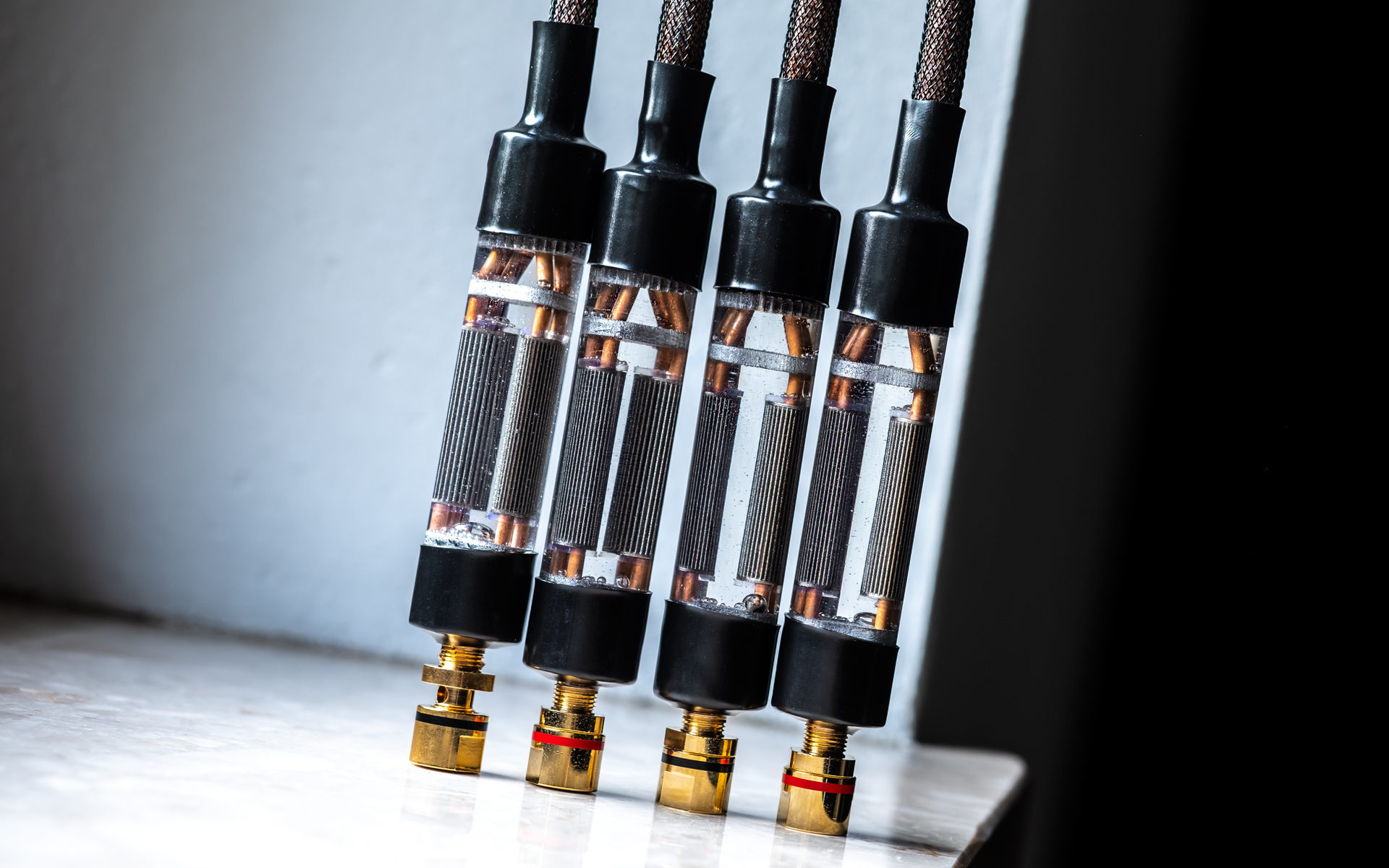
On my hifi map the original loudspeaker Firewall was a nifty little efficacious thing I wholeheartedly recommend to everyone. Considering what it does and how, it is affordable and works equally well on all speakers. It goes about its business so well that financing it shortly after our speakers is an elegantly cost-efficient route to instantly upgrade them. While today's Stellar Firewall follows suit, it offers a larger performance hike and packs a nice dynamic twist on top, which I think justifies its position in the LessLoss roster and the extra expense. Enthusiasts already accustomed to the Firewall may agree. Meanwhile, hi-eff speaker fans not yet familiar with this LessLoss tech but intrigued by today's Stellar may find its input very surprising and quite possibly freakishly large. Just saying…