As packed with different products across an enormously broad swath as it is, the hifi accessory category is easy to explain. Everything that's not a primary sound maker so can be removed or rewired without the sound stopping is an accessory. As far as my rig is concerned, the Innuos Statement server/streamer, AMR DP777SE DAC, Trilogy 915R/995R pre/amp, sound|kaos Vox 3afw monitors and Boenicke W11 SE+ floorstanders create the sound I enjoy. The nearby rack, network switch, linear PSU, ground noise trap, power distributors and anti-vibration footers support this sonic profile to make it much better with than without them. While some of my accessories do more than others, all contribute in a way that my ears spot. Most were designed to occupy a specific place within a system, some boast broader applications. The LessLoss Firewall signal cleansers are an example of the former. To recap, they work without caps or coils and are simply seen as 16mm² highly conductive solid-core copper. That's it. This cross-sectional area is substantial enough to not limit signal flow, add undue resistance or alter the load impedance. Hence Firewalls can work their magic inside power distributors and speaker crossovers. The efficacy of these units compounds so speaker sets and power outlets at my disposal embed them inside. Atop that I always also use one external plug'n'play Firewall for the speaker I currently listen to.
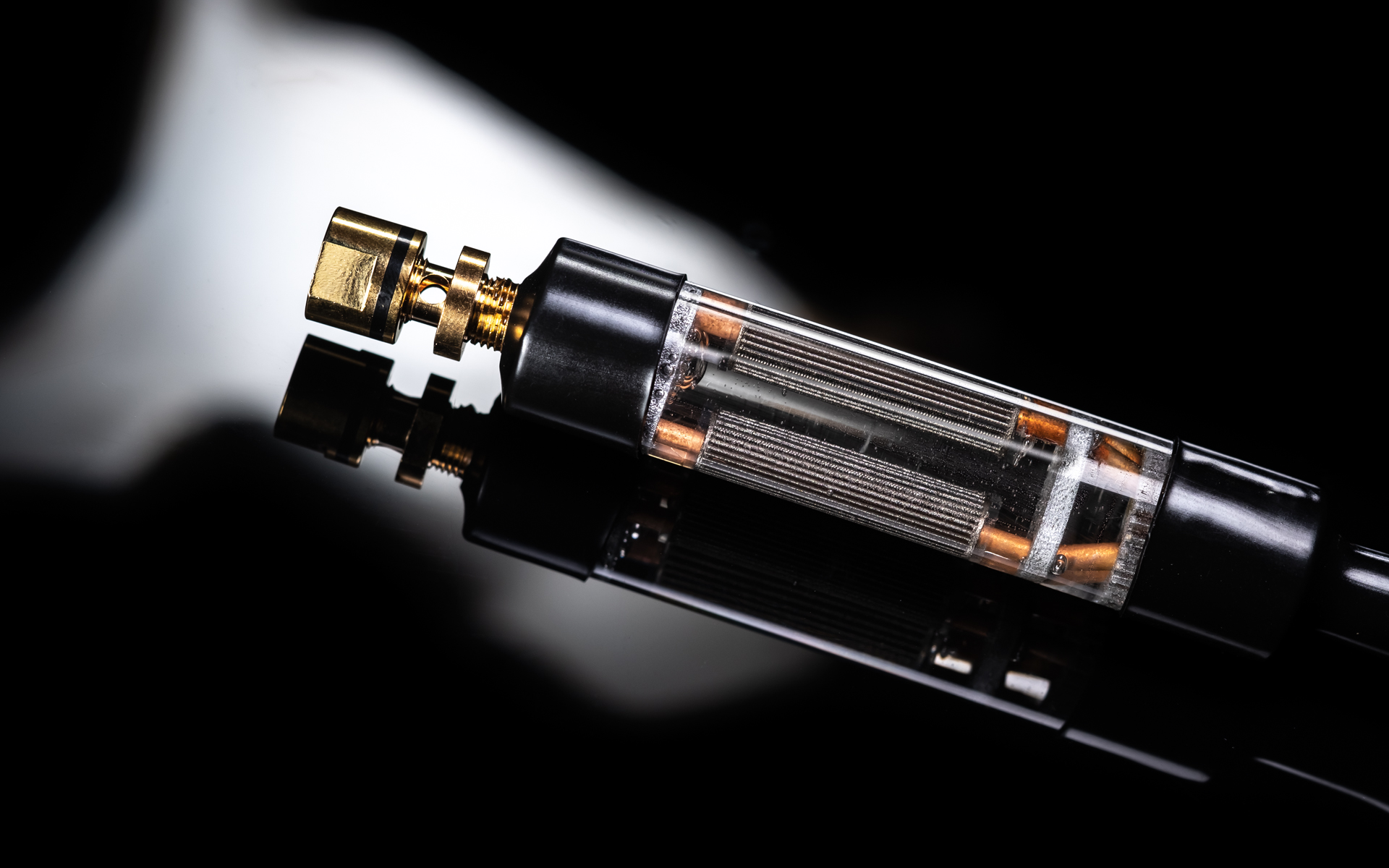
Should you wonder how the Firewall tech works, this quote comes in handy: "Four copper rods inside each translucent resin body undergo the company's in-house Entropic processing which drastically ages these parts and results in their unique matte look. This treatment also changes the conductor's internal structure so becomes directional and far less susceptible to micro vibrations thus quieter. Entropy stands for gradual decline into unavoidable decay. This copper gains new properties at the cost of becoming so old that it can easily deform. Think far more than a human's lifetime of constant usage compressed into several days of extensive processing. It makes these conductive rods highly pliable. The crystalline resin cylinders lock these delicate bits in place so their integrity remains intact and the entire module becomes robust. Each copper rod pair is surrounded by crucial finned parts. This in-house developed noise-killing tech underwent many iterations over the years. Now it incorporates Direct Metal Laser Sintering processing and high-powered ytterbium fiber lasers which allow for welding alloy powder into 3D objects from particles as small as 10 nanometers. The finned cylinders don't physically connect to the copper conductors they surround. Their interaction involves magnetic fields and that's all we know. But it tells us that these parts must align perfectly to maximize the noise-trimming effect, otherwise this fundamental goal is compromised."









While the cylindrical part of each Firewall is its core, the attached pigtail built from the company's Common-Mode Auto-Rejecting Cable aka C-MARC is no less important. This specialist wiring comprises unique geometry based on two counter-polarized fractally replicated coils of the same diameter and step, one turned clockwise, the other twisted in the opposite direction. They superimpose mutually to form a bucking-coil connection originally developed in the 1930s. Noise induced on hundreds of balanced strands cancels electrically due to opposite polarity and geometry to net high S/N ratio. I find the C-MARC concept terrific for the price, which is why all RCA, XLR, power cords and speaker veins in my system are built of it. C-MARC tech noticeably progressed since its debut in 2017. About four years ago LessLoss found a way to apply to it their drastic aging method named Entropic processing yet kept it optional. Upon order entry, customers decide whether their LessLoss cable of choice should be the standard C-MARC or its costlier Entropic-processed version. While they're alike on looks and sonic profile, the latter does audibly more as I explained here.
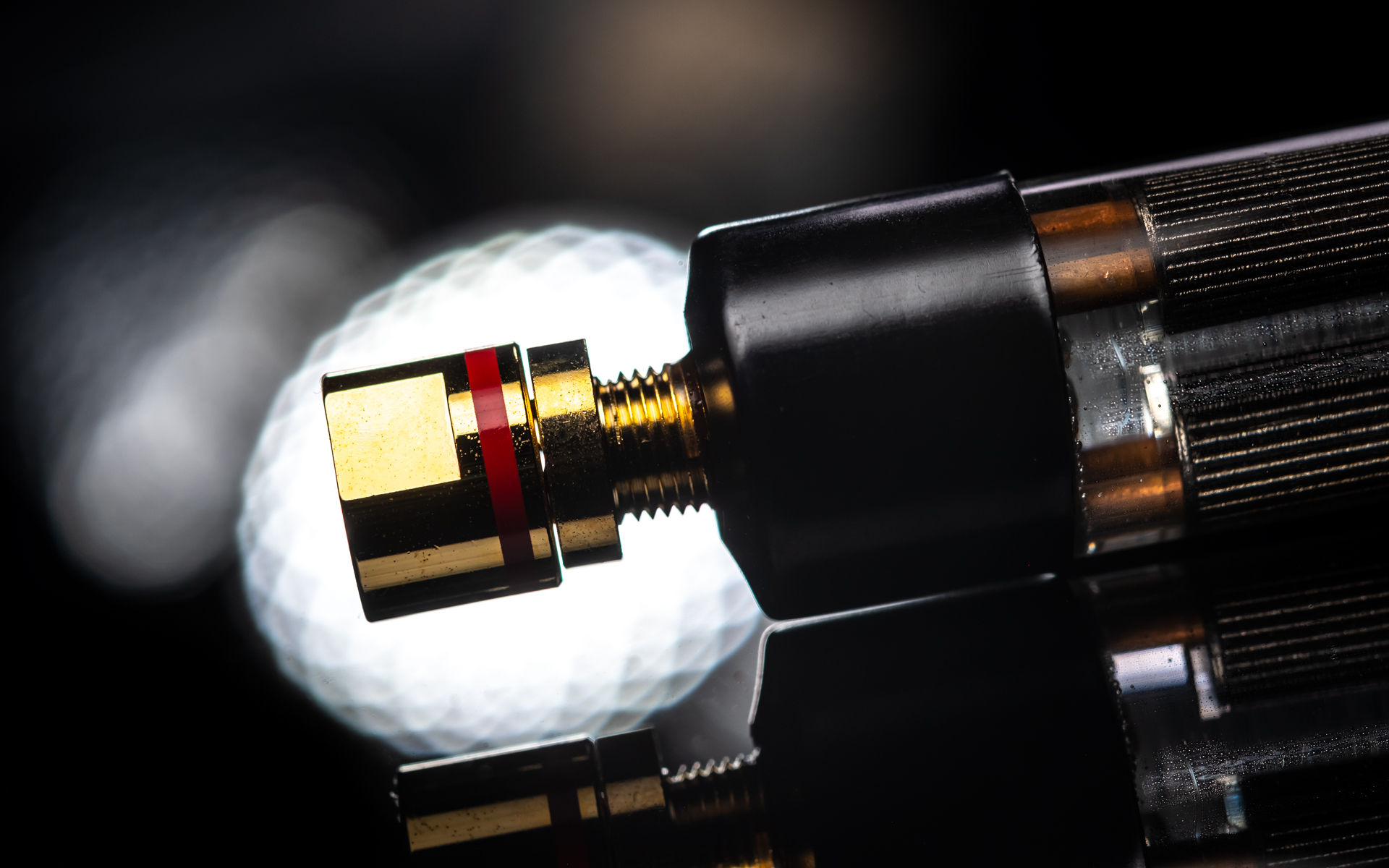
The second and latest upgrade of the C-MARC tech took the form of Stellar thus far available only in LessLoss power cords. The previous C-MARC power cord now known as Classic packs 384 tiny copper hairs of 4.7mm² conductive cross-section per leg. Stellar ramps these numbers up to 576 and 7.06mm² respectively. It also undergoes the manufacturer's signature aging processing twice as long. The increase in Stellar's conductive area lowers the impedance thus lessens resistance whilst the increased number of conductive Litz wires in the C-MARC geometry cause higher noise rejection. The more of these mutually superimposed oppositely polarized runs there are, the higher their efficacy. Upon comparing the Classic C-MARC to its Stellar sibling half a year ago and telling that story here, the latter proved noticeably better. The external Firewall I've been using for more than four years features the Classic non-Entropic C-MARC pigtail. Now LessLoss improved this critical stretch with a noticeably stiffer slightly thicker Stellar link. The main question to ask is whether this makes an ounce of difference. I had my theory why it might. This short noise-rejecting cable is the very last stretch our speaker sees. It must pass the signal conditioned in the LessLoss barrel without any loss. I was about to find out whether that's worth the extra $692 per set. The previous set wants $1'656/4. Stellar sells for $2'348/4. Available terminations include gold-plated polished spades or BFA bananas. Threaded heads with caps on cylinder ends accept everything including bare wire. I didn't have to do much to compare the Stellar quad to the originals. Both sets terminated with spades connected to the speakers at the same time, only one was used. After each back and forth I had to manually move my speaker cables finished with BFA from one Firewall to the other. That was quick and straightforward. I had no reasons to complain.