
 The new AA Williams album Solstice is a perfect fit to detail dynamics. The exceptionally talented and sensitive British singer has created a melancholic musically diverse oeuvre that blends singer/songwriter influences with alt rock, folk, doom and goth which should appeal to even Tori Amos fans. The quiet first half of "Little By Little" relies heavily on microdynamic gradations to subtly build tension. These low-level impulses and expressive gradients didn't sound rounded over or smoothed out but clear and crisp. Here too the Innuos Stream3 tended slightly towards a more aggressive sound without overdoing it. What about resolution? How well did this device excavate subtle details? AA Williams' relatively sparse closer "The Gentle Harm" thrives on the interplay between voice and piano. Mediocre components tend to swallow or blur the delicate reverb tails of the piano while higher-end components precisely track them. The Stream3 clearly belonged in the latter category, rendering the trailing fades cleanly and doing so exceptionally well for its price range. In terms of resolution, it almost rivalled the more expensive Moon 681 which downright excels in this discipline. When assessing the bass, James Blake's classic low-frequency "Limit To Your Love" from the album James Blake was once again the go-to track. Its massive bass is so powerful as to easily make furniture vibrate. On the one hand, it demonstrates just how low speakers can truly go. On the other it allows you to test how controlled and tonally differentiated the lowest octaves are. I was pleasantly surprised when the bass onslaught began. Yes, the Innuos Stream3 goes very deep but remains precise and barely gets muddy even at higher SPL. I've heard the track sound significantly murkier and boomier before but here it remained consistently clear and well-defined. Both general bass enthusiasts and listeners who prefer agile detailed bass will be impressed. Compared to the Stream1 and Zenith MK3 it was a completely different beast yet the Stream3 didn't goose the amplitude. It simply didn't match the level of the Métronome AQWO 2 (starting at €19'990) which displays even more down-low naturalness and authority. It also costs almost twice as much. Compared to the Moon 681, things were on par and the Innuos even reached a touch lower.
To assess the midrange, the classic "Don't Give Up" from Peter Gabriel's So cued up for a duet with Kate Bush. The ballad's unique feature lies in the interplay of two completely different voices. Peter's voice is deep and sonorous with plenty of energy in the upper bass/lower midrange while Kate's brighter more emotional voice covers more of the upper midrange. Ideally, both should sound authentic and balanced – Gabriel's not too heavy, that of Bush not too sharp. Et voilà, it worked! The male voice had beautiful body, the female voice clarity and openness. This spoke to a very transparent nuanced midrange with just a touch of warmth which felt most familiar and typical of Innuos. Ditto the slightly restrained, silky and smooth treble. Granted, high notes were a touch more energetic and crisp than on my Zenith Mk3 but still far off from being bright, emphasized or aggressive. The highs were strongly reminiscent of the excellent Moon 681 which likewise sounds very smooth and long-tern suited. My ears never registered any strain unless it was mediocrely recorded rock at concert levels. The treble proved to be unobtrusive in the best sense because there never was a feeling of underexposure or overemphasis. Tool's "Schism" can quickly become fatiguing because like the entire Lateralus album, it sounds rather bright. With a component tuned a bit aggressive in the upper frequencies, drummer Danny Carey's cymbals can quickly sound too bright or sibilant but this wasn't the case with the Stream3. On the other hand, these cymbals didn't lose their natural shine either.










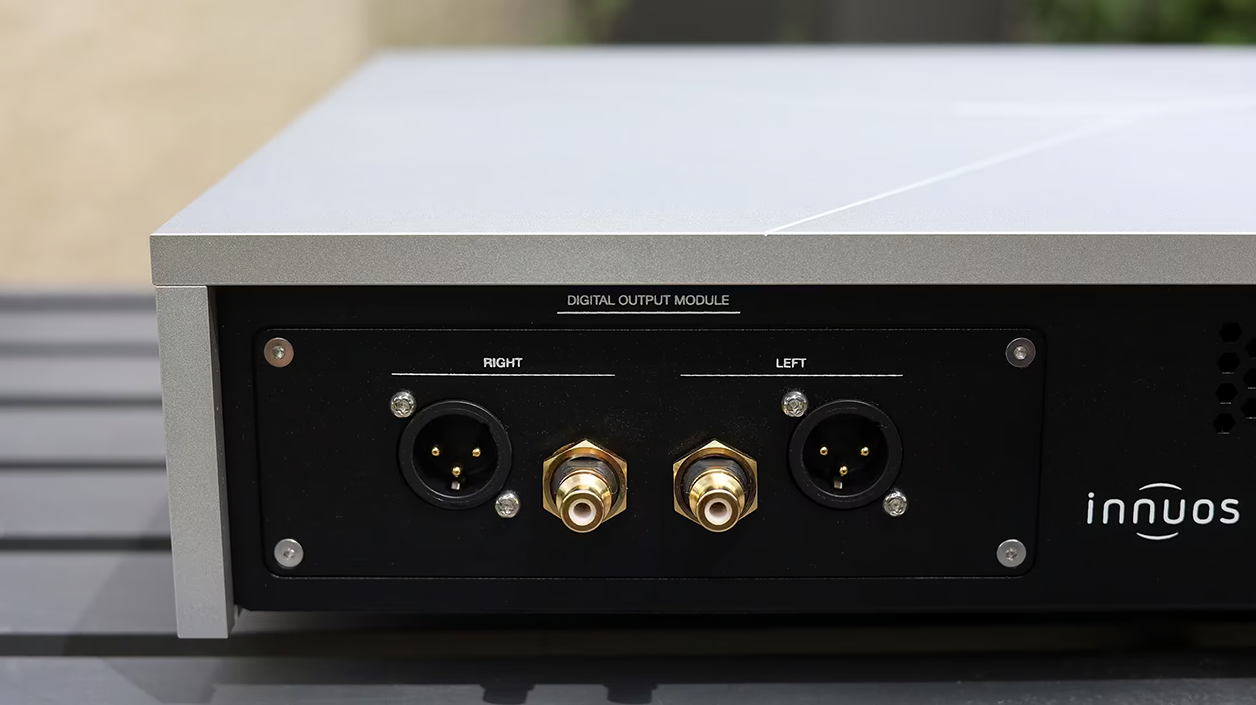
In terms of overall tonality, over time it became clear that the Stream3 was neither full-bodied nor dark, neither bright nor thin. Rather, it can be placed quite precisely on neutral middle ground with just a very slight tendency toward warmth. This tendency in the configuration of most expensive integrated converter board was less pronounced than in the Stream1 with its optional PerformanceDAC module from the previous test. The Stream3 is very smooth. This streamer/network player which can be expanded into a music server shone in the configuration submitted with a high-resolution, lively and dynamic sound without ever sounding overly analytical or fatiguing. Compared to the Stream1 and older Zenith Mk3, it was more direct and agile without completely abandoning the typical Innuos smoothness. Its spatial and imaging capabilities and extremely precise separation left a particularly strong impression without compromising the overall soundstage. The device boasts a first-class build, elegant appearance and is primarily suited to discerning listeners with a mid-five-figure system at least when the PhoenixDAC board is installed. Those who already own a top-tier DAC would be better off investing in a different output module and/or hard drive. Our Portuguese team offer several options with its modular design. Tonally this all-rounder will appeal to the vast majority. It's largely neutral and suitable for extended listening with just a touch of warmth. For listeners with a stronger preference of warmth or those who prefer a leaner sound combined with exceptional analytical precision, the Stream3 won't be the first choice. Everyone else should definitely give it a listen. If I didn't already own an Innuos music server, I would seriously consider this 'swift trio' right now.
Psych profile for the Stream3…
First-class spatial capabilities. The stage is large, wide and extends far towards the listener.
Images are remarkably tangible, corporeal, three-dimensional and very clearly differentiated.
Tracks large dynamic swings quickly and with great force.
Accurately reproduces the finest amplitude gradations and impulses with a slight transient emphasis.
High detail resolution is never too analytical or over-sharpened.
Neutral bass extends very low and doesn't get muddy but impresses with precision and detail.
Almost neutral transparent midrange and vocal reproduction with a very slight tendency towards warmth.
Finely resolved, smooth, long-term suitable, with a treble free from harshness or excessive brilliance.
A very balanced overall tonality.
Facts:
Category: Streamers and music servers
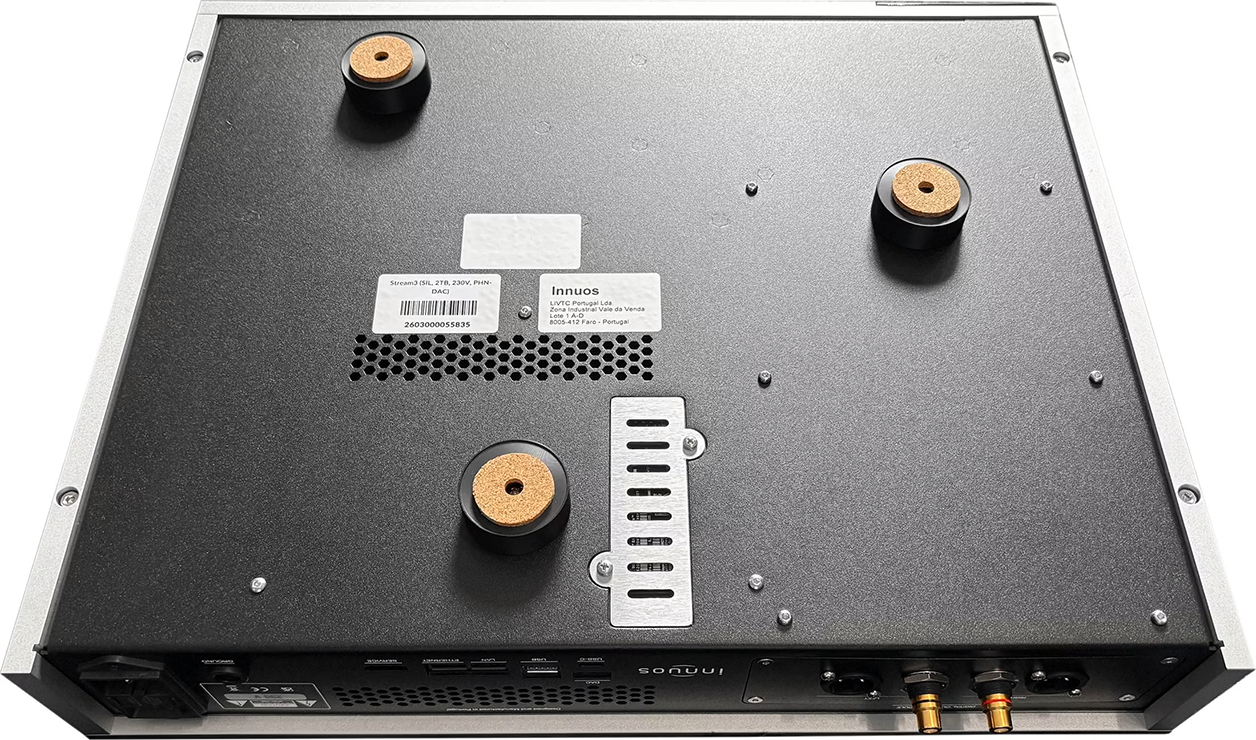
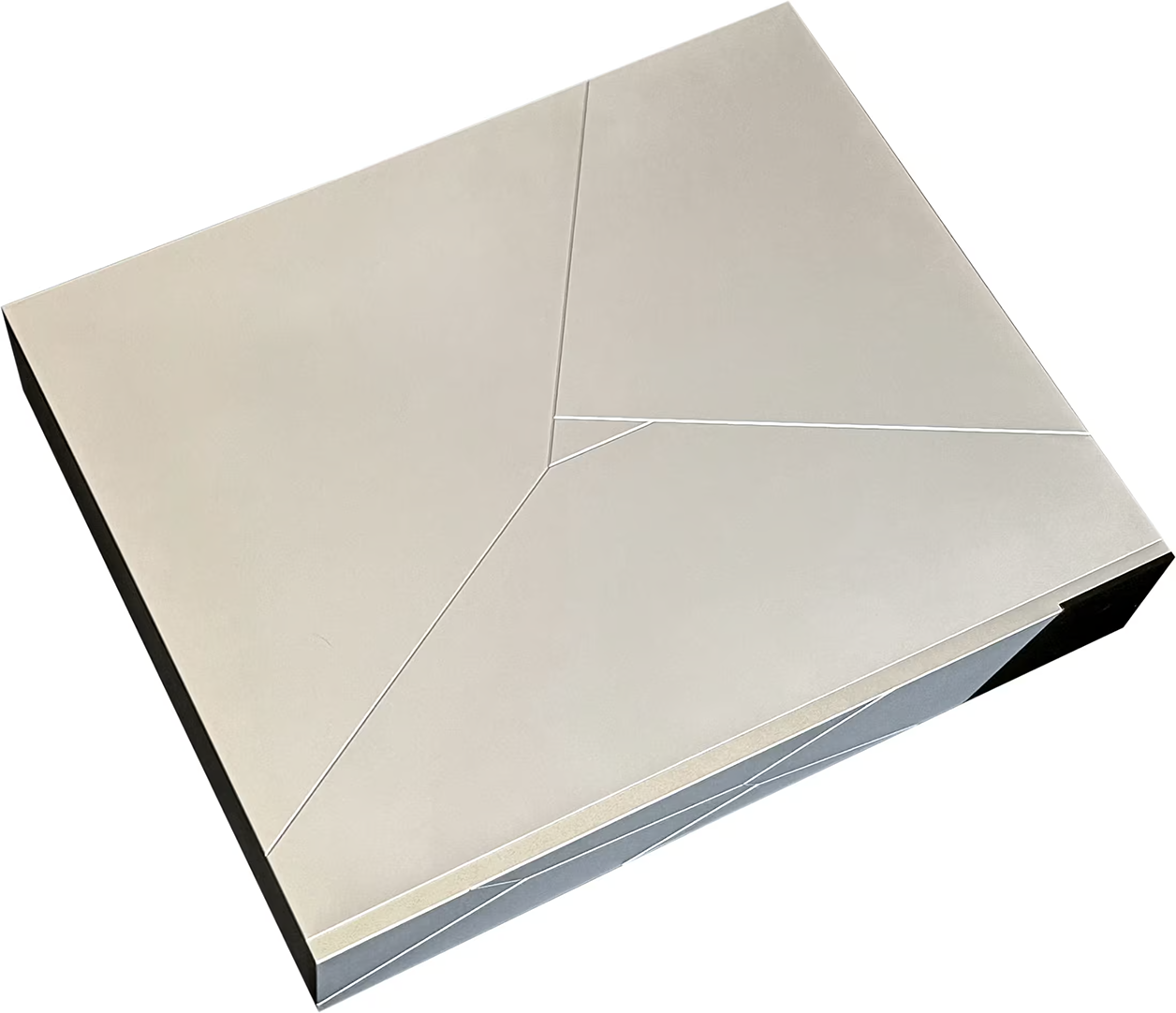
Dimensions & weight: 42x33x8.5cm WxDxH, 12.8 kg
Trim: Silver or black
Upgrade options/modules: PerformanceDAC €1'250, PhoenixDAC €3'500, PhoenixUSB €1'400, S/PDIF €700, PhoenixI²S €1'800
Optional hard drives: 2, 4 or 8TB
Streaming services: Qobuz, Tidal, Deezer, Spotify, Idagio, HighResAudio, Internet radio
Interfaces: 2 x LAN, 2 x USB-A (backup/import), 1 x USB-A audio output, 1 x USB-C, 1 x HDMI (service only)
Other features: Control via web browser and Sense app, Roon compatible
Package contents: Quick start guide, LAN cable, power cable, remote control
Warranty: 3 years