 Jagged'n'jumpy: the dynamics. Frickle-Metal is generally a good genre if we enjoy music like Blotted Science (The Machinations of Dementia, no audiophile gem but very creative and virtuoso) or even more audiophile, Scale the Summit (V). That's because the Canton GLE 30 are dynamically lightning-fast and stay cleanly on track with rapid licks, quick-footed taps, impulsive toms, snare and hi-hat hits as well as generally agile hooky arrangements. That's perfect when only such responsive dynamics will properly map the complexity and technique of such music to come fully into its own and be appreciated and enjoyed accordingly. But there's also a sense of subtlety where the GLE 30 doesn't miss a beat on resolution. Au contraire, transparency and attention to detail are among its other strengths. You sense this in the fiddly tracks and a good test—we're now changing genres —is Clock DVA's "Final Program" or Kasabian's "Where did all the Love go?" Check out the subtly ticking 16th-note electronic hi-hat or that short passage with subliminally shimmering guitars. The GLE 30 brings out such small details almost as well as I'm used to with my far costlier stuff. Respect. Head 'n' gut. Back to rock and metal, intellectual head listeners with a penchant for compositional or tonal structures and progressions will really enjoy the Canton with a relaxed sideways glance at their spared wallet.
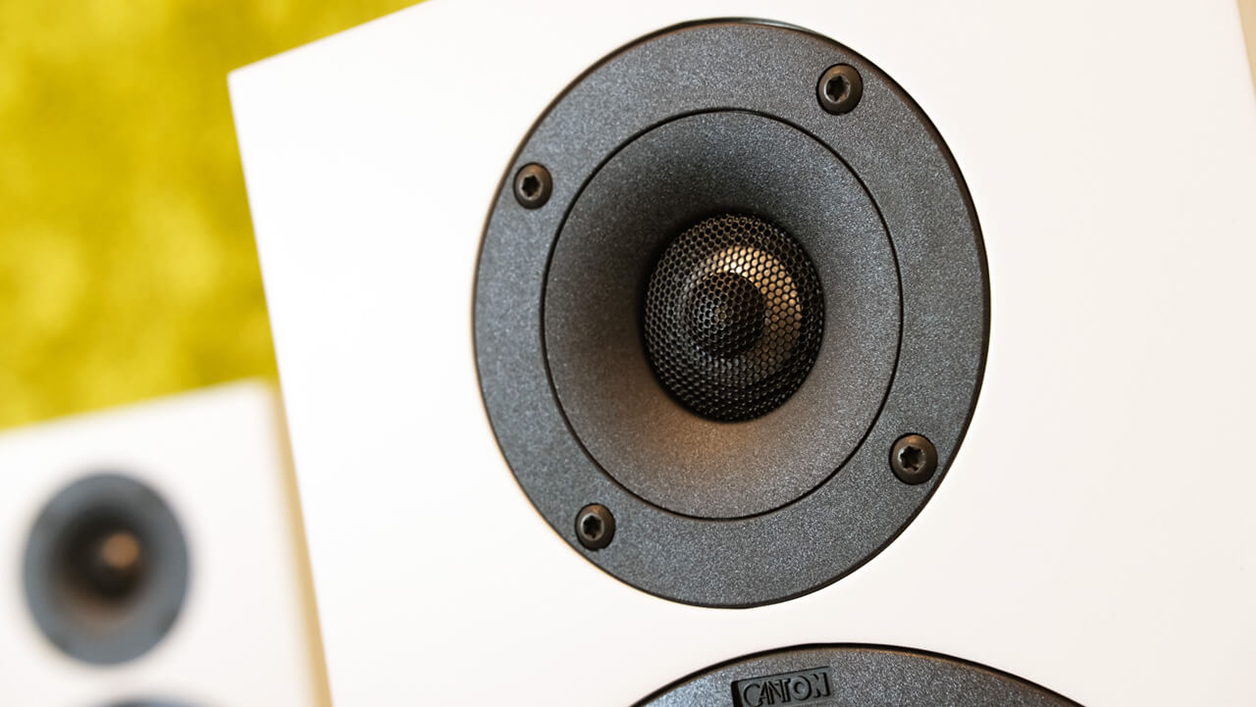
Gut listeners on the other hand could wish for a little more oomph depending on track. This is not due to the bass but a small dip somewhere in the lower midrange. The dip is by no means noticeable on every Rock song but with "Synaptic Plasticity" by Blotted Science for example, the e-bass impulses and runs seem a little more subdued than the guitar and cymbals. Dynamically they are just as twitchy but less voluminous or pressurized than usual which despite all the speed somewhat diminishes the perceived macodynamic power of the track. Monitoresque mids? I find it interesting and commendable that the slightly reduced output in this lower-mid area barely affects the vocals. Of course the GLE 30 won't match the colour intensity and fullness of Bryston's Mini A but the Canadians are deliberately tuned to be more euphonic and warm not least because of slightly accentuated bass. They cater to different tastes. The midrange reproduction of the GLE 30 reminds me of studio monitors with a slight penchant for the presence and brilliance of voices to promote their intelligibility. Bottom line, the vocal band is more objective than indulgent but seems uncoloured. Whether it's the changes between clear and energetic vocals by Katrina Ford in Celebration's "Evergreen" (The Modern Tribe); the unmistakably throaty, gently evocative performance by Legendary Pink Dots frontman Edward Ka-Spel (9 Lives to Wonder); or the sludge-metal growling of Aaron Turner in the brilliant "Rigid Man" (Sumac: What one becomes) which is almost an acoustic declaration of war – the GLE 30 conveys these very different voices with persuasive timbres but above all played to its strengths by beautifully unravelling the fine characteristics and specific textures. The latter are one of the highlights of this speaker and considering price, I find its ability to differentiate downright outstanding.




Sporty'n'crisp: the bass. I described the basic tonality as slightly subdued above the bass but this isn't true for what happens below. The short low impulses in the intro of "Madame Guillotine" by the Legendary Pink Dots even had me sit up and restart the track thinking that I had misheard. No, the GLE 30 really does dig that deep. Even naturally bass-heavy dubstep in the style of Kode9's Black Sun or the experimental purely instrumental hip hop of Free The Robots's Ctrl Alt Delete work as well with the small Canton as one could ever hope for from a box this size and price. This was doubly true when I must call this bass quantitatively well balanced and integrated if minimally elevated though not really worth mentioning. But its quality too convinced. Bass lines and beats are sporty and crisp and yes, perfectly dry which certainly benefits from the basic tuning as does wonderful spatiality. Be that as it may, the bass of the Canton GLE 30 on high-quality electronic music really meshes surprisingly well.
Fresh air in the attic: the treble. The highs already described in passing also work well with electronica. Fine microdynamics and transparency are among the Canton's strengths. In addition, the GLE 30 are beautifully airy and with good amplifiers have a real knack for the ethereal harmonics of instruments more so than the recently tested active Argon Forte WiFi series. However, the active Danes too offered truly astonishing performance in my room and whilst the Forte A55 WiFi are compact towers, they generated even more mature bass than the Canton. However, the GLE 30 can't touch the HF quality of a €2'500/pr Neat Acoustics Petite Classic which nabbed our fairaudio's favorite award. That speaker was constantly on my mind whilst listening and writing about the Canton. That's because the Brit could easily pass for an upscaled close kin of the GLE 30. Bot are very similar in basic character and strengths even if the Neat simply takes things to a higher level to seem more sophisticated and at the same time, more pure. Yet the Canton is a great alternative for fans of the Neat who want or need to pay more attention to their budget.