 The Aretai achieve all this by very clearly defining individual images and placing them at a kind of distance from their neighbours. As a result no information gets blurred. Every note, each instrument and deeper layer stands on its own and yet simultaneously embeds in the whole if the sound engineers did a proper job. Even a similarly priced B&W 805 D4 not exactly known for euphonic soft focus is less defined, allowing individual sounds to blend together more readily. Of course even these little Latvian wonders can't perform miracles. Poor productions still fall apart before our ears though the Contras obviously can't be blamed for that.
A similar experience could be had with Prince's extremely well-produced Welcome 2 America. The at times quite complex songs didn’t merely float on the surface as they do over many other speakers. The Contra 100S excavated all the layers created in the studio while simultaneously maintaining the overview of the big picture. Does that sound too good to be true? As I said earlier, this is a reference-worthy midrange.
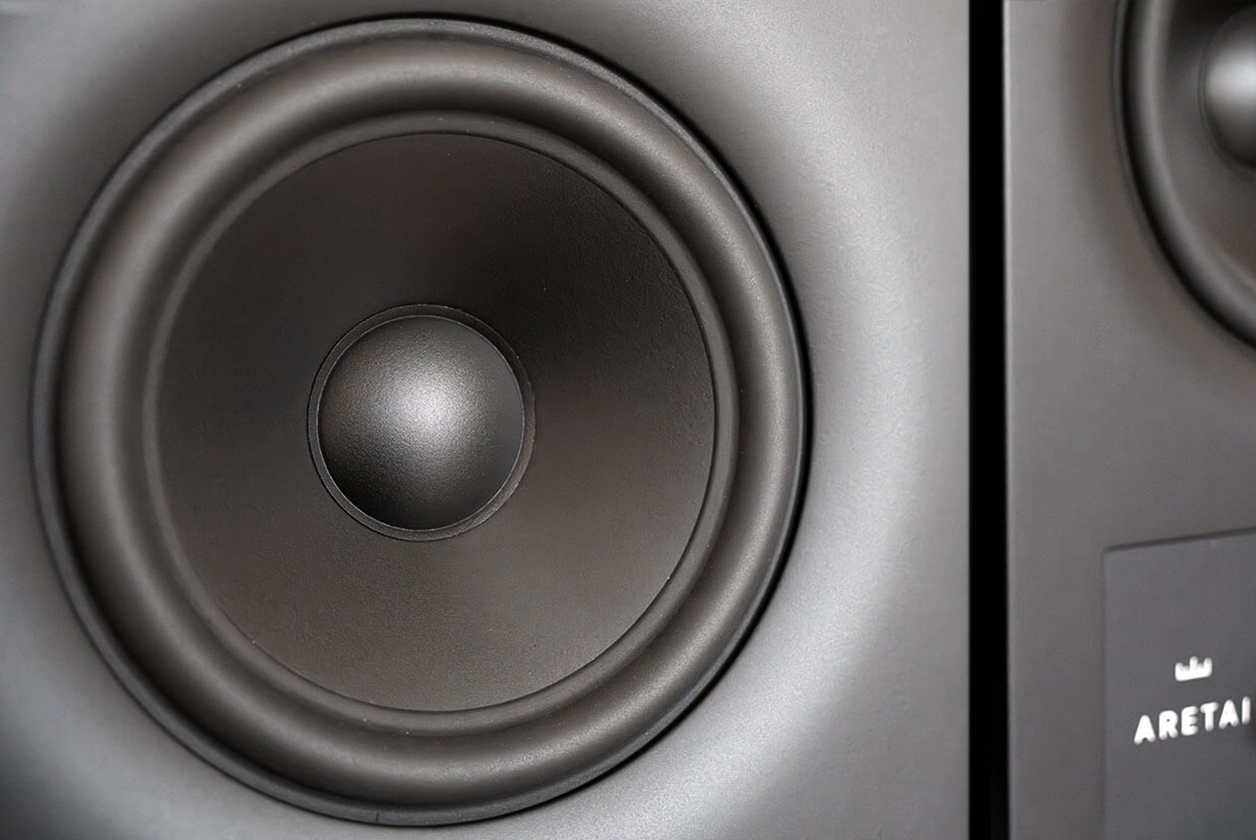
 Good news came from the depths as well. With their paralleled 1½ woofers, the Aretai reach substantially deep and offer truly phenomenal bass for their size. They reproduce the low end cleanly and deliver a surprising amount of SPL but not in any forced manner. Thankfully Janis Irbe avoided the trick of many developers to suggest LF capability by slightly boosting the upper bass. As a result and thanks to the closed cabinet, we experience a level of bass detail that is quite remarkable for a speaker of this size. Tristan und Isolde [EMI LP, Herbert von Karajan, Berlin Philharmonic] once again spun on my turntable. After the chords and opening violin lines already described, when the double basses enter with a rich pizzicato, the Contra 100S immediately delivered a wealth of useful information: namely of there being many (in fact eight) basses positioned on the right side of the orchestra in two rows whose individual players approach things subtly different. Where other small speakers offer only a deep boom, the Latvians effortlessly tracked the recorded nuances. Of course I'd heard this before. It’s precisely why I put this record on. However, all other speakers capable of equivalent performance thus far had been more expensive and always much larger.









So, does the Contra 100S categorically replace a floorstander? No, I wouldn't go that far. However new and clever the paths Aretai took with this speaker may be, Physics still apply. In large rooms even their small speaker will eventually run out of steam since its diaphragm area won’t scale up. That's why the Latvians offer two larger models designed exactly for such situations. The Børresen X3 floorstander for example which costs roughly the same naturally offers more bass but still must concede defeat to the Contra’s exemplary midrange. In rooms up to 20m², you'll need a magnifying glass and helpful fairy to find better and more honest not just different performance. If I had a room their size, the Aretai would be mine. Unfortunately my living room is considerably larger and my budget too small for the bigger stablemates.
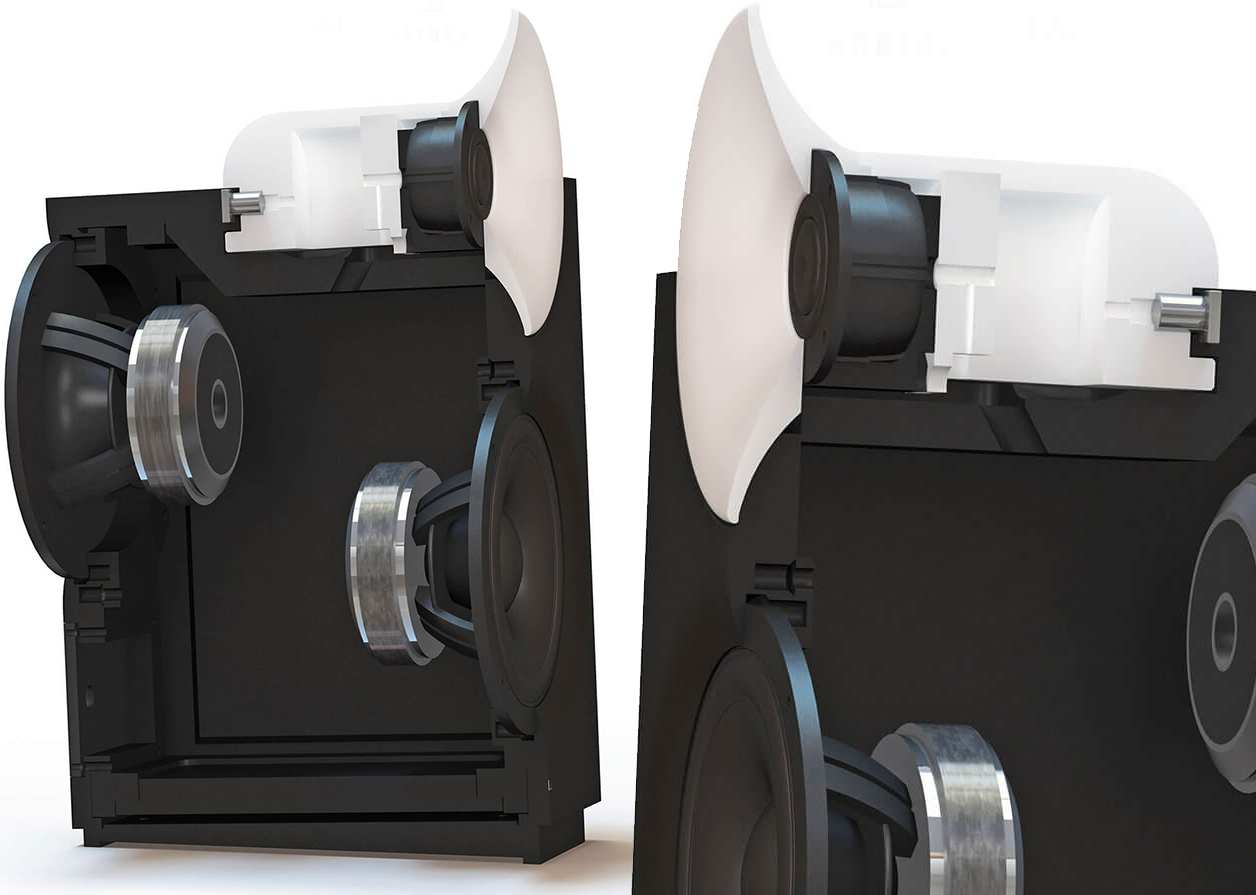
Rereading what I wrote thus far, I haven't addressed dynamic capabilities yet. And to be sure, I didn't mean to conceal potential shortcomings; quite the opposite. Assuming competent partners, the Contras responded so effortlessly that dynamic structures unfolded exactly as they should. In other words, nothing signalled because everything sounded so natural. Impulses fired quickly and energetically whilst the two speakers appeared detached. Even at higher volumes they betrayed no cabinet-induced artifacts. Of course in larger rooms and at lease-cancelling levels, contours will blur and subtle gradations round off. But in their natural habitat you'll rarely push them to such limits.