
Hitching a ride on Grzegorz Rulka's shoulder—his 3-hour+ show report was up in 24 hours; plus another 28 minutes at the alternate Hifi Deluxe—I was curious. Following up my Nordic Dreams feature, would some well-established high-end brands show 2.1/2.2 systems? Via a mix of screen shots from Greg's video and social-media posts by the brands themselves, here are the very few I spotted.
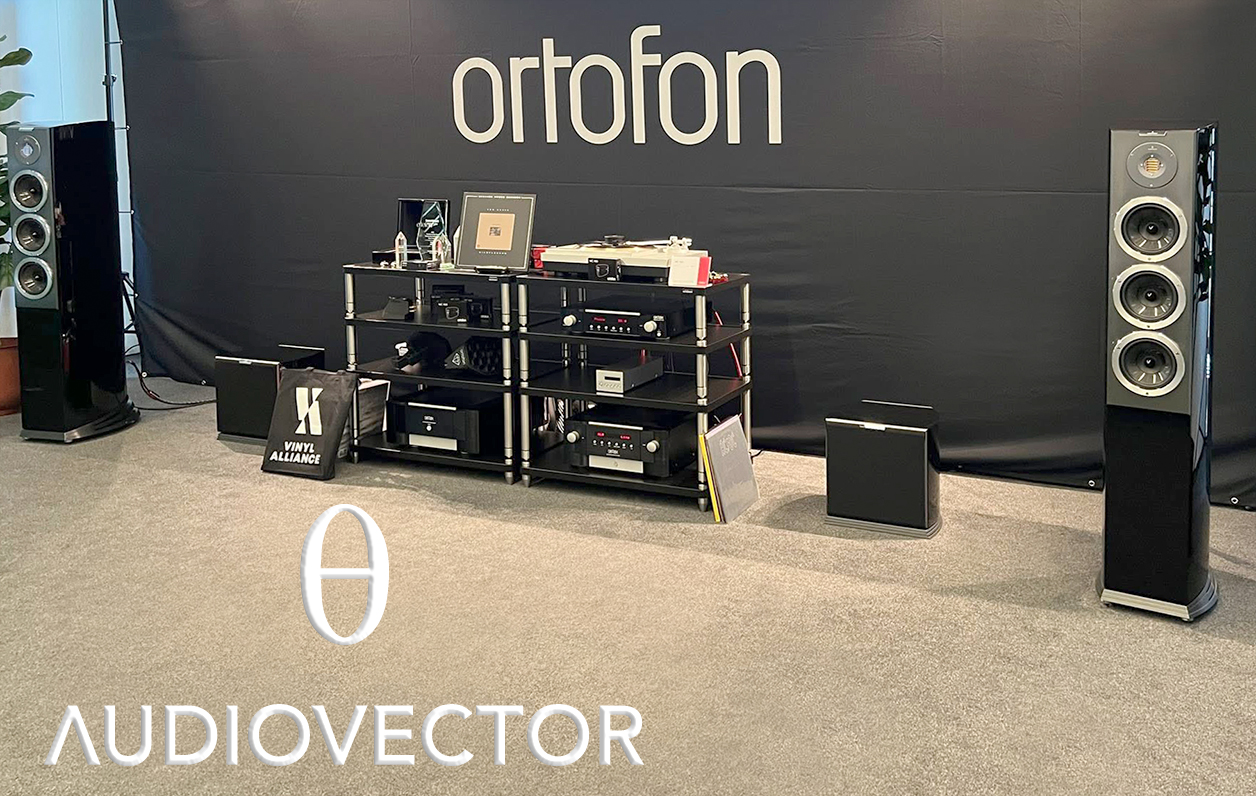
Audiovector bucked the trend by showing with two subs.
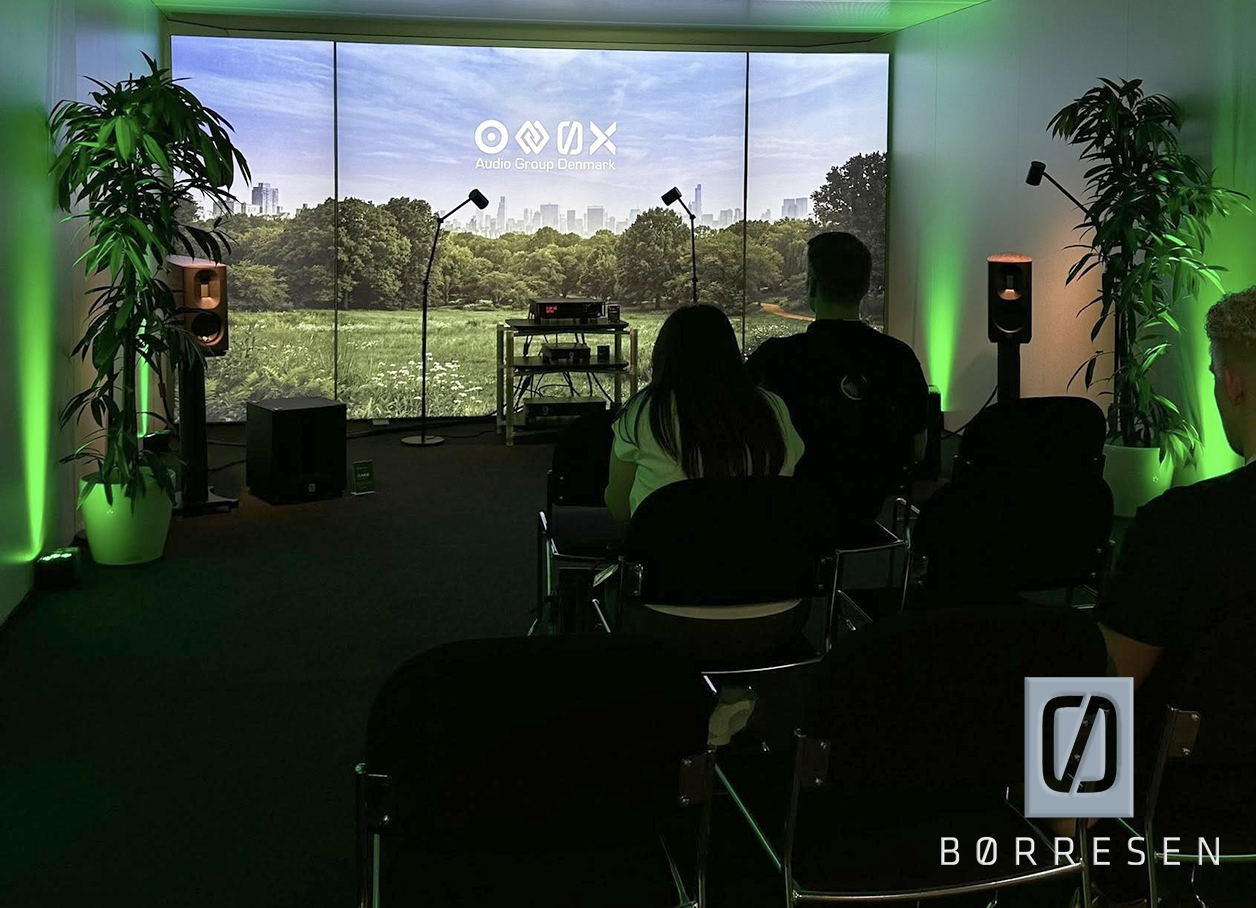
So did Børresen by demoing their smaller BM2 active RiPol sub of 2×10" woofers. This is my idea of a perfect room-adaptive full-range system which many of us could actually host. We might in fact only need one subwoofer.
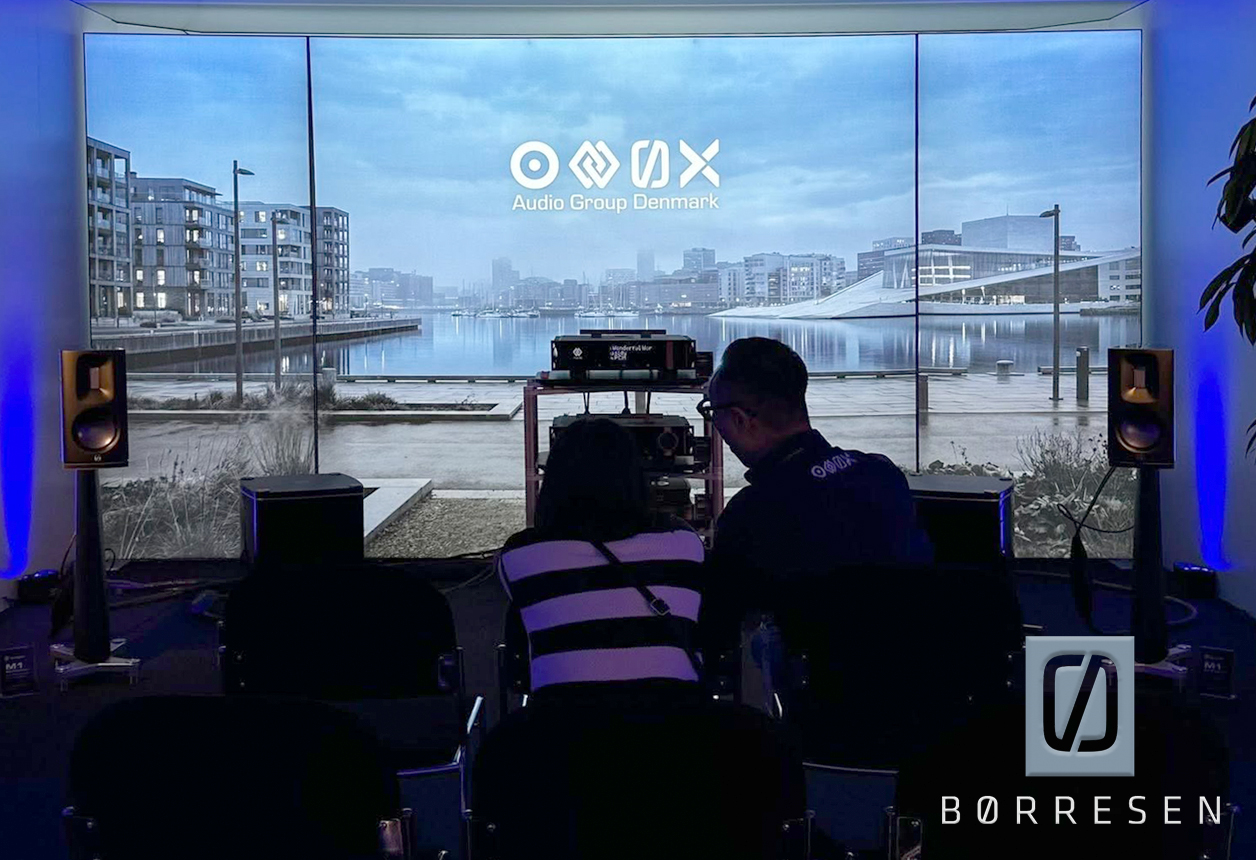
Scaling up to twin BM3 RiPol subs each with 4×8" woofers happened in this second system. Control over the hi/lo-pass feeds to it and the monitors took place in the embedded analog filter system of these Aavik electronics. With their strategic pincer attack on the subject, Børresen took the lead previewing where the loudspeaker industry would be headed if more people paid attention to how omnipolar bass radiation screws things up for untreated rooms.
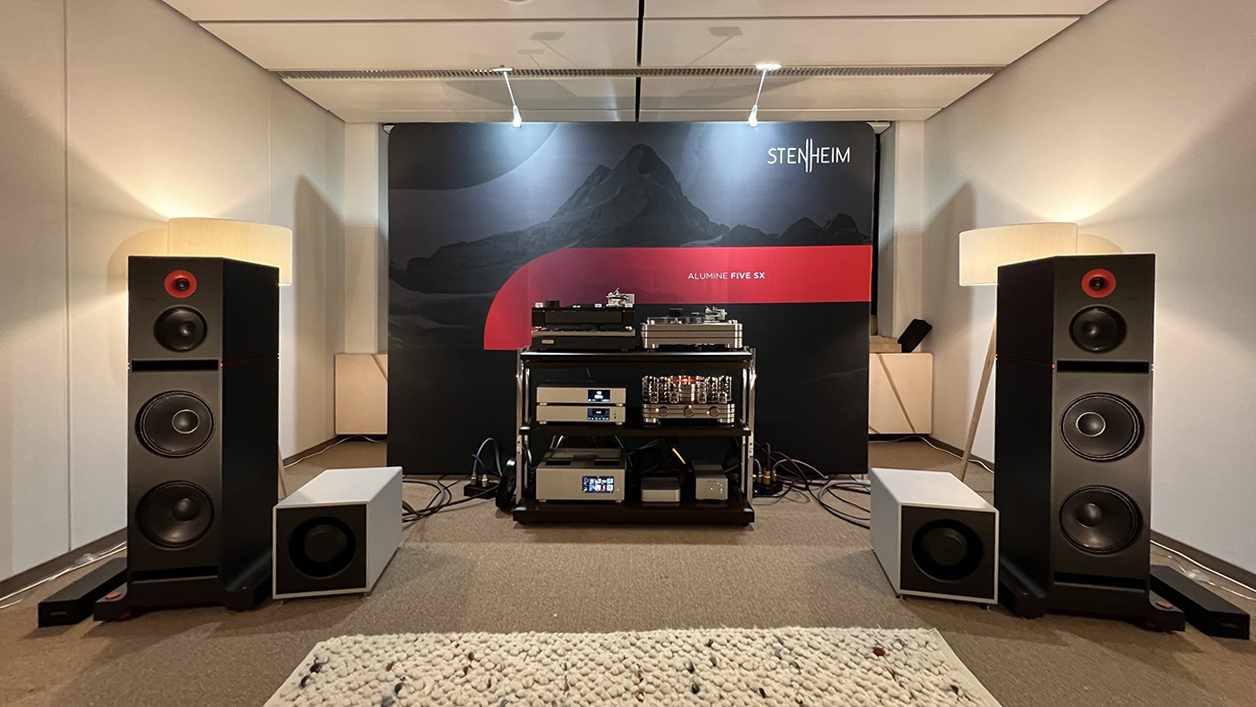
Stenheim had two of their 2×10" isobaric designs set up.
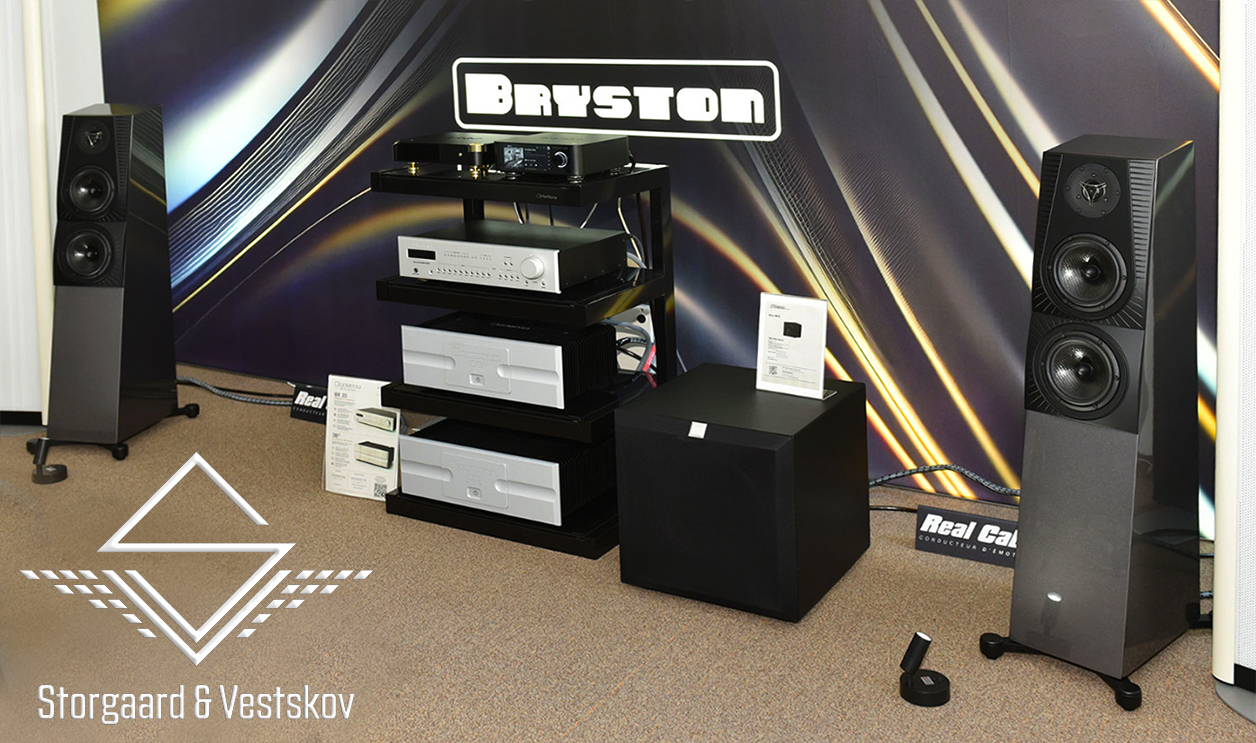
Storgaard & Vestskov's Gro was set up with a sub whose identity I can't confirm. SVS perhaps?
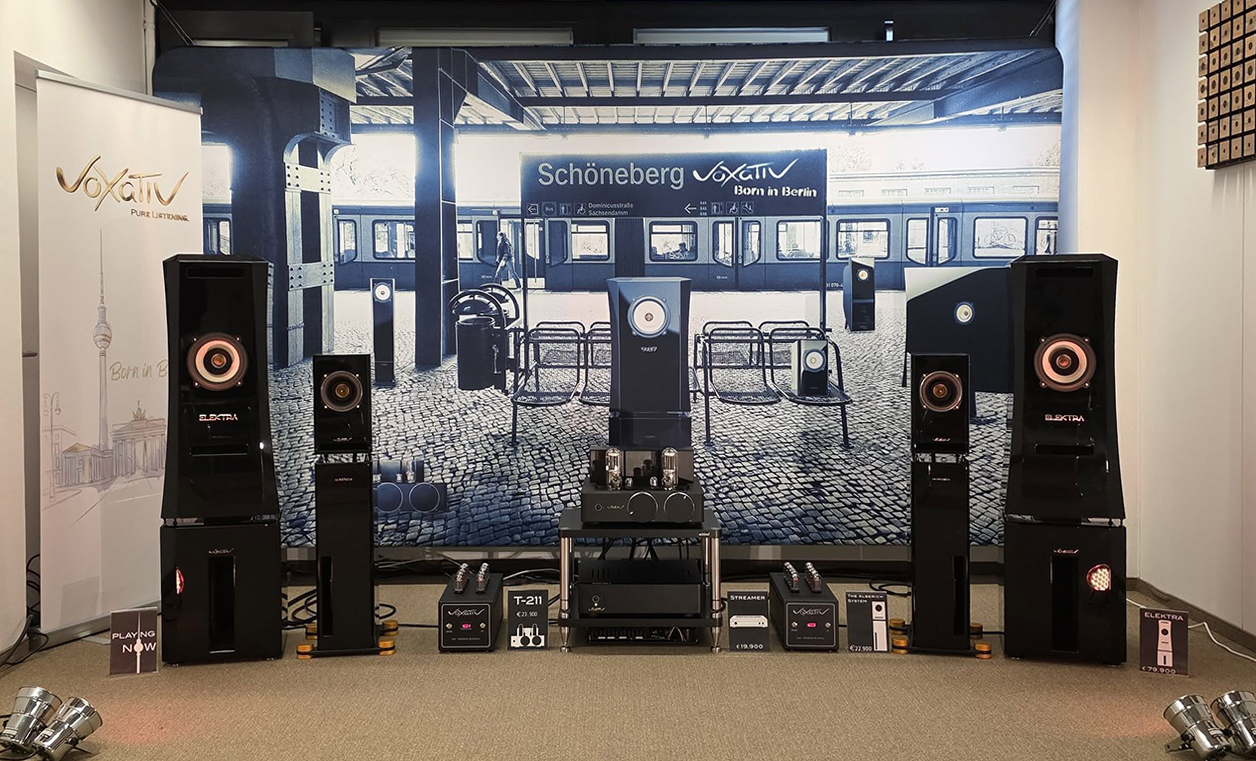
Voxativ of Berlin had both their Alberich² and Elektra field-coil widebander systems atop active high-efficiency RiPol subs.
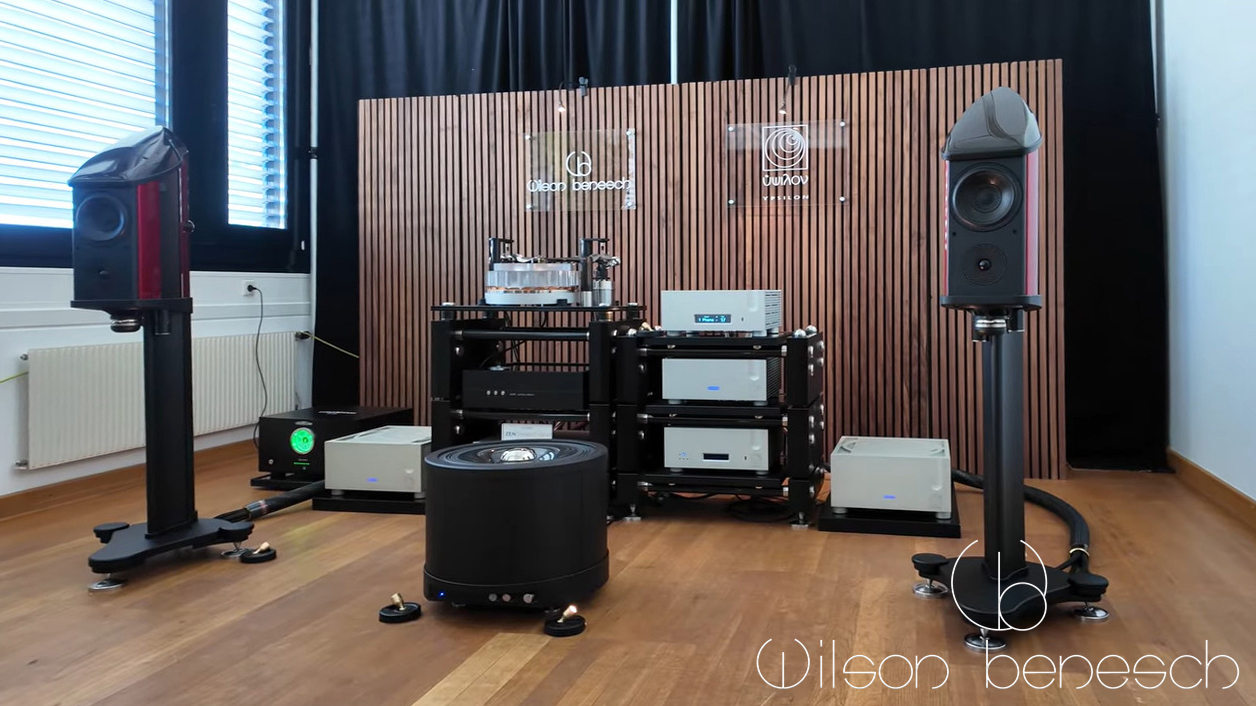
Wilson Benesch used their monitors and barrel-shaped infrasonic generator for a 2.1 system.
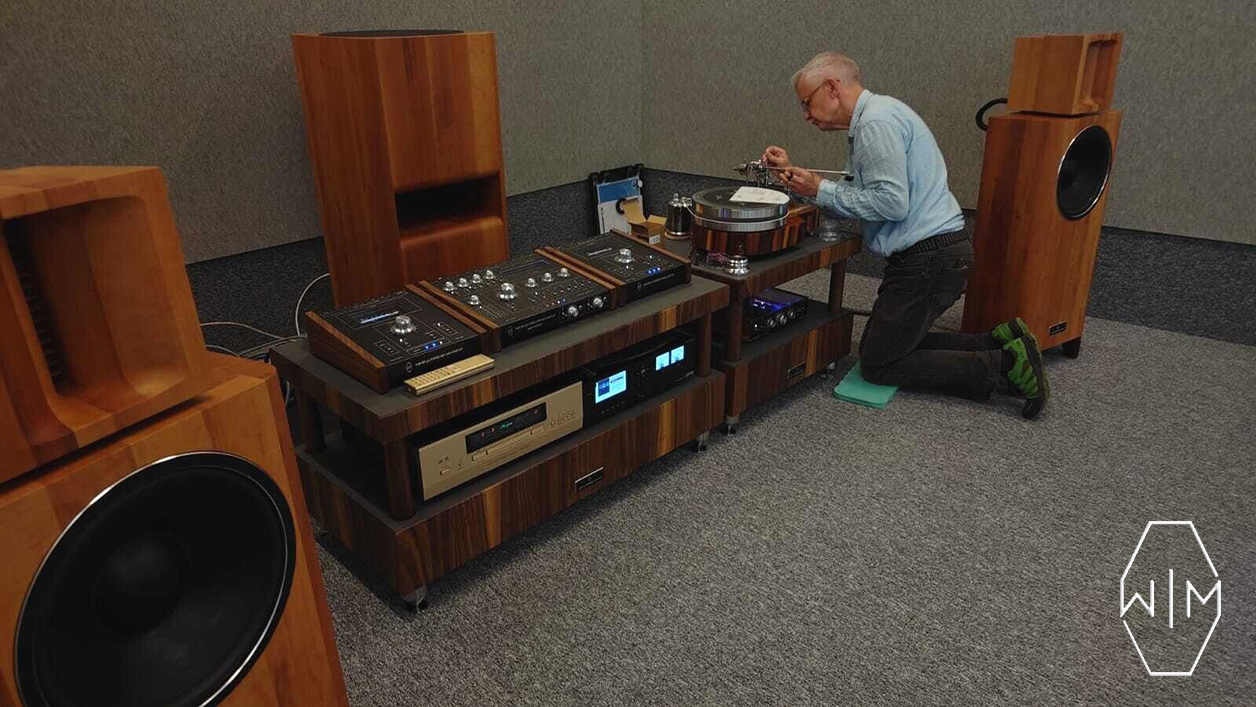
Wiener Lautsprecher Manufaktur mated their 96dB efficient 300B floorstander—think tall horn-loaded AMT taken down to 900Hz before handing off to a 12" mid/woofer—to a single 2 x 18" active subwoofer.
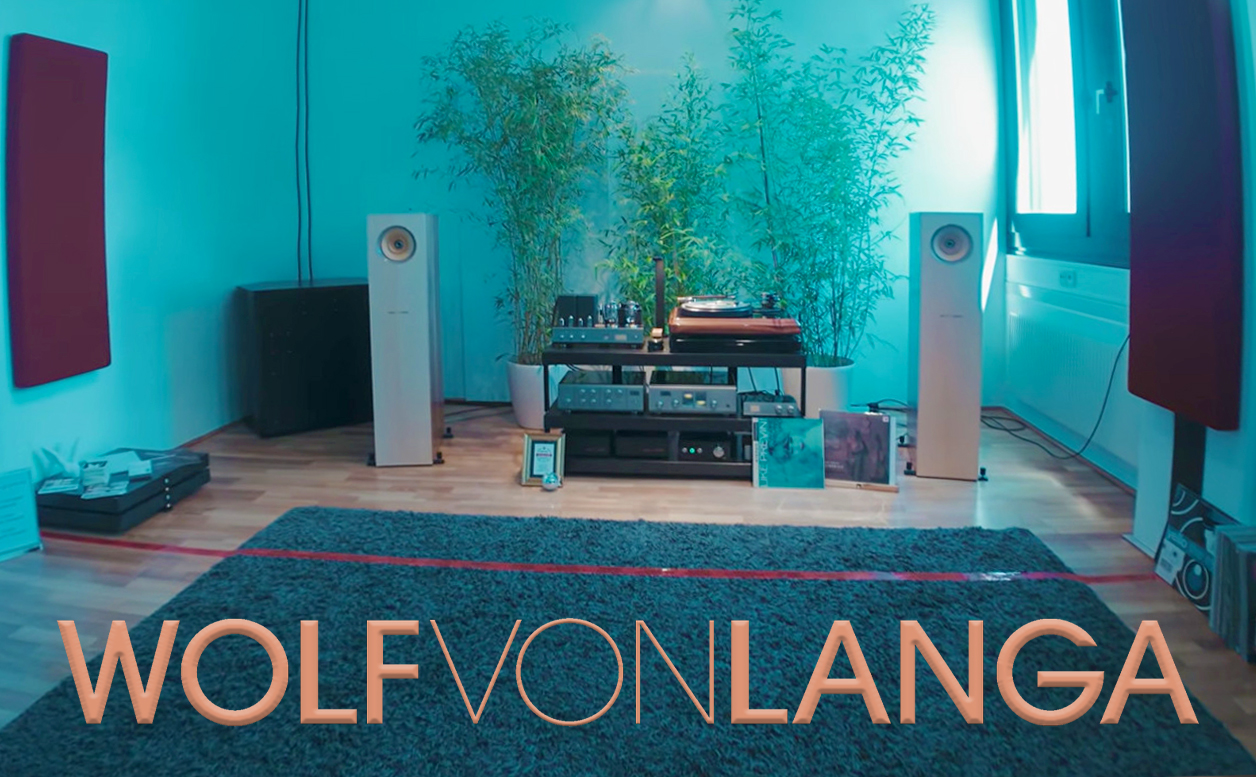
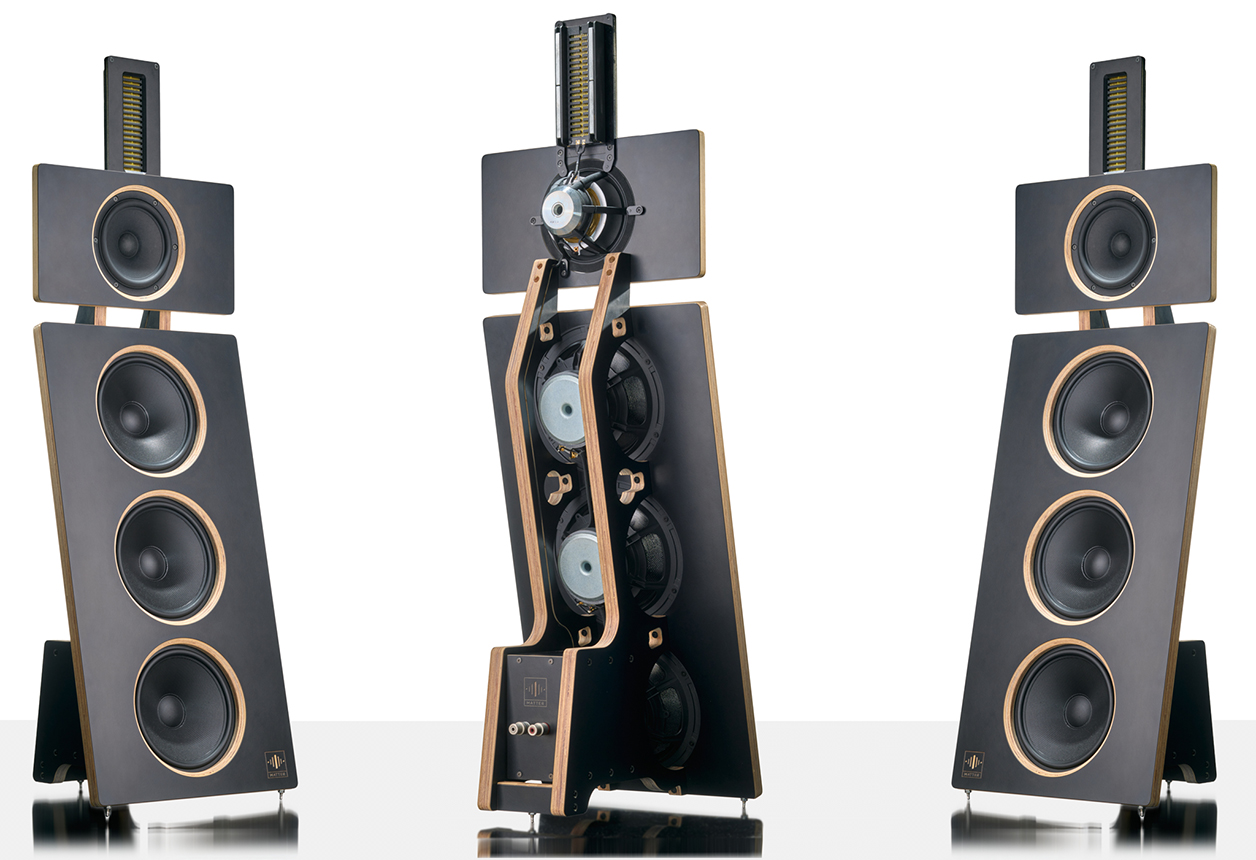
Wolf von Langa placed his add-on sub diagonal into the front left corner. Whilst Raidho launched two ambitious subwoofers last year, this year's active exhibit didn't use them. It's possibly for a simple reason. Without an active electronic high-pass on mains which are capable to 40Hz, finding the ideal tonal balance and linearity in a temporary install can be harder than simply running the mains solo. It's where Børresen's infrastructure with their own hi/lo-pass filtering sans DSP is ahead of most their competition. On an aside, an item that from Greg's Vienna walkabout has my attention for potential review later this year is Matter Audio's Axion, a 131cm tall 88dB dynamic open-baffle 3-way with dipole AMT which follows up the 2 x 15" version which Joël Chevassus reviewed for us last year whilst running triple 8" woofers and a 6" mid.
As far as this cursory overview suggests, our high-end sector at large is still in its infancy when it comes to demonstrating properly integrated 2.1/2.2 systems of compact monitors plus one or two subs. Greg's video coverage showed no shortage of large shiny passive speakers, many well past ordinary wallets. Yet once you've heard active bass correctly adjusted to a given room—and this becomes particularly relevant with cardioid bass—you'll never go back to passive bass no matter how pedigreed and costly. Of course if it's not being demonstrated to the buying public, listeners like myself remain obscure outliers who would love nothing better than share their experience of a better solution but generally fall on deaf ears. And so it continues… because the show of 'as usual' must go on.
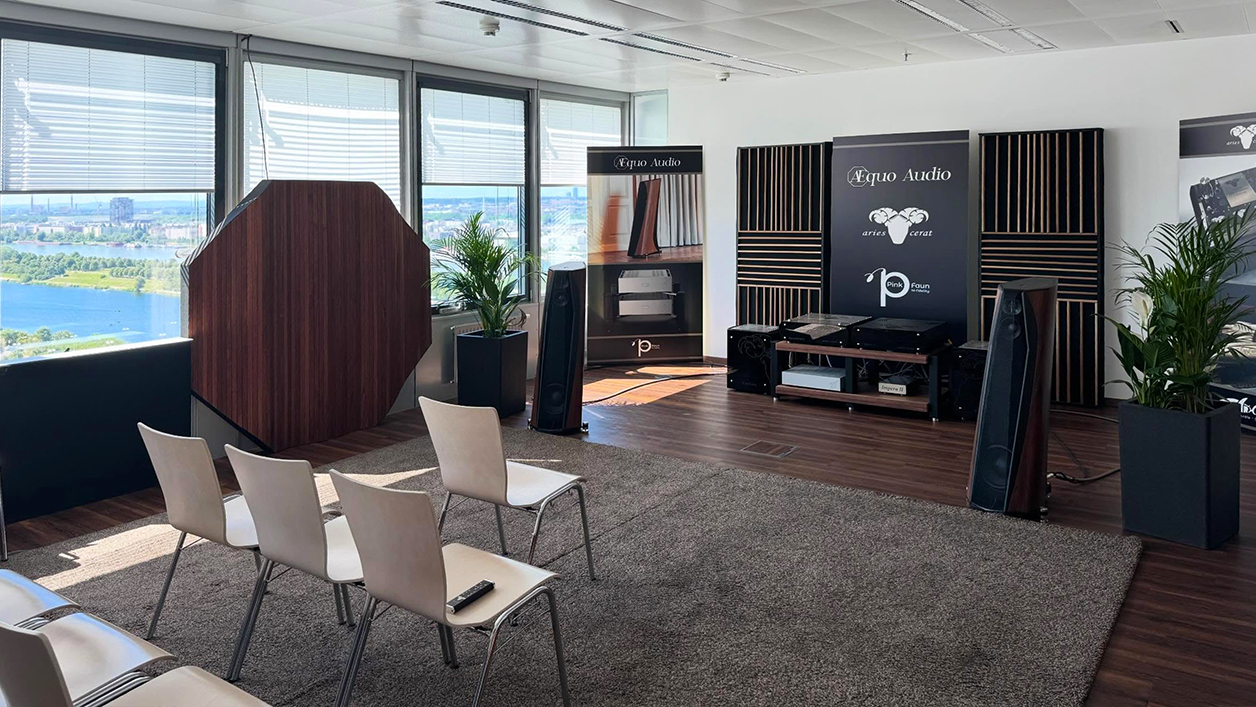
And no, this Æquo Audio exhibit on the top floor of the offsite location Ares Tower organized by Michael Kromschröder of Munich's Klangloft didn't use twin subs. Those were Aries Cerat power amps from Cyprus, the company whose owner Stavros Danos showed a massive system in the same location to launch his new Sirenes speakers. On site too were the Hungarian electrostats of Prodigio with more Aries Cerat electronics; and Clarisys speakers.