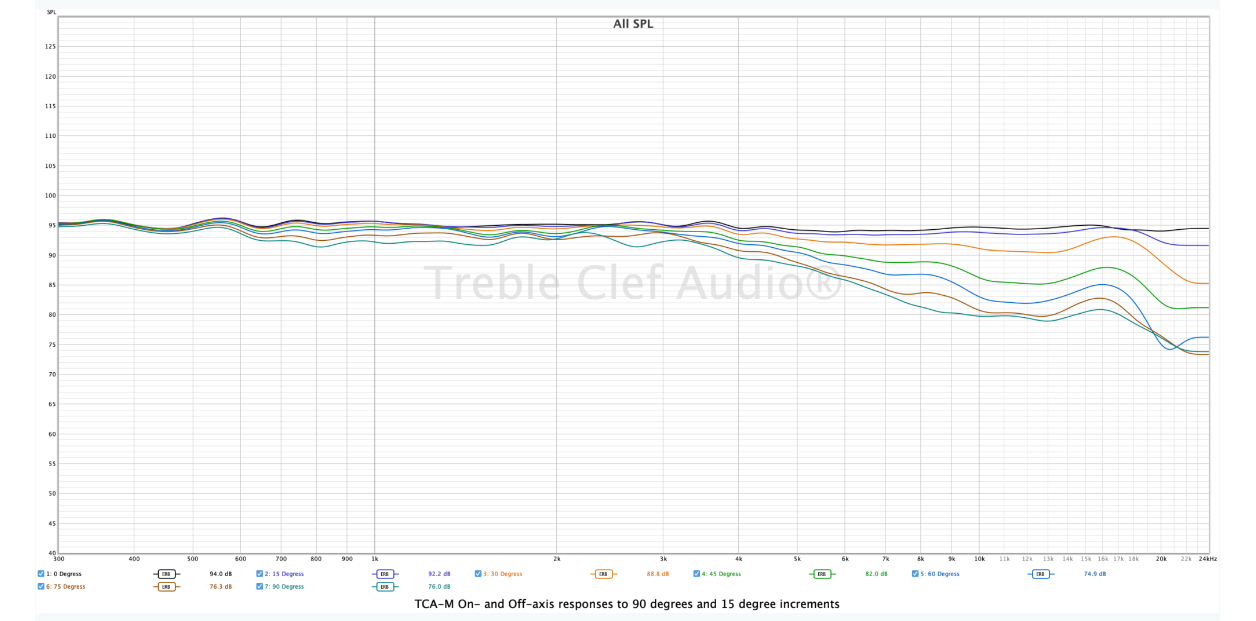
To show off-axis response from 300Hz – 24kHz, here we see virtually text-book behavior so very low diffraction confusion. There's clearly more to this design than just Ripol bass. It's an interesting way to deal with the conflicting notions of point-source and infinite-baffle dispersion.
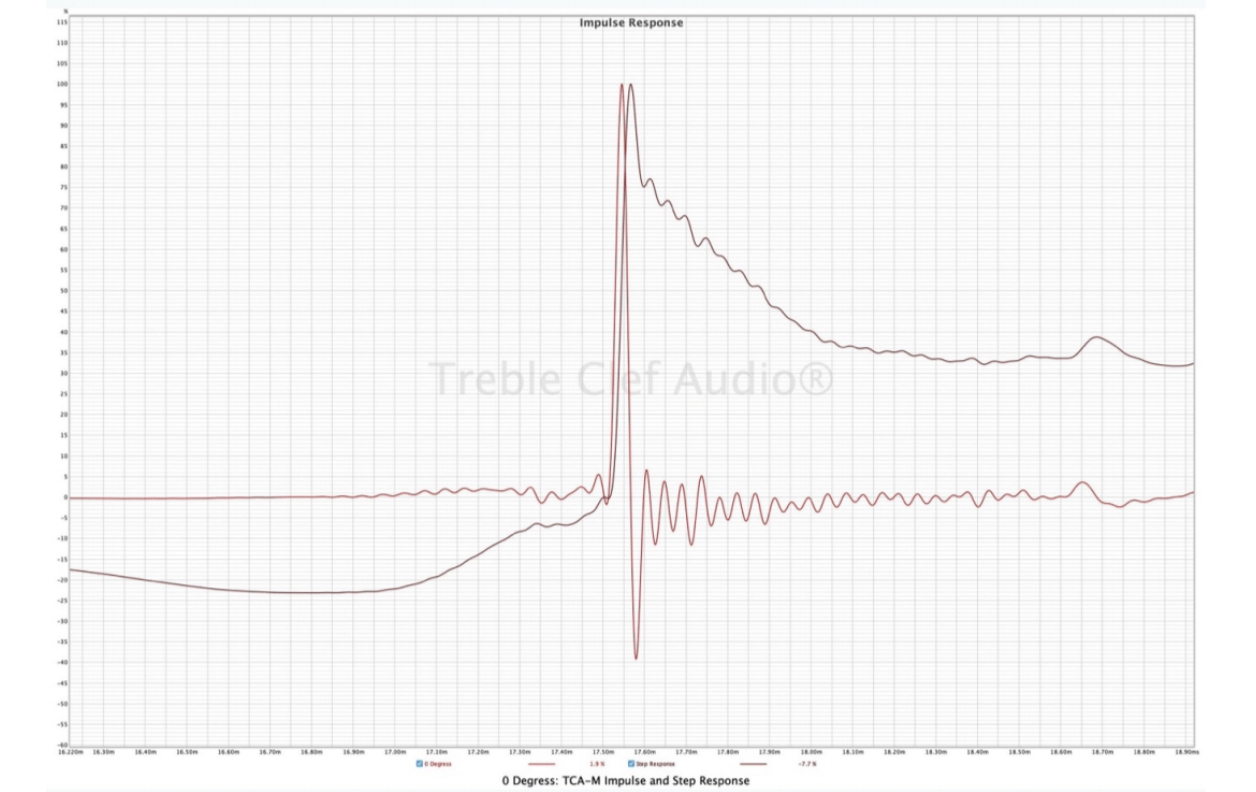
About the next graph, "the thin steep vertical line represents the step response of a 10Hz–24KHz frequency sweep. There's just 0.05ms between each vertical gridline and thus a step response transition occurs in about 0.1ms. The small amount of so-called ringing before/after the impulse response is an inaudible consequence of crossing drivers in the digital domain with relatively short FIR filters which in our case introduce low overall 12ms system latency. With a single point source unachievable in practice, the distance between drivers in principle means that absolute time alignment exists only at one point in front of the speaker system. This is a negligible issue with the midrange and tweeter being physically very close and crossed over by a 48dB/octave steep slope giving excellent integration at any practical listening distance."











It's apparent that designer Ole Siig values optimized time-domain behavior. On that score, digital processing latency affecting the system as a whole is immaterial for music listening; and remains so for video lip sync where the average window of acceptability is being less than 40ms early and less than 90ms late. At 12ms late, today's speaker easily hides its latency on video. Even John Darko who finds excessive DSP latency odd on needle drops—you lower stylus to vinyl only to hear first groove noise kick in obviously delayed—wouldn't be troubled. "Over six years of R&D, a lot of thought and experimentation as well as attempts at modelling the behavior in a more formal sense have indeed poured into this project. Visiting Wolfgang Klippel and his wonderful team in Dresden was a great help in fully characterizing what's going on and to make final adjustments. I decided to publish the white paper with all my background research and design conclusions exactly because for the love of music, the world has enough box speakers already." I couldn't in good conscience disarm that sentiment.
 Photos compliments of Dawid Grzyb, HifiKnights.com
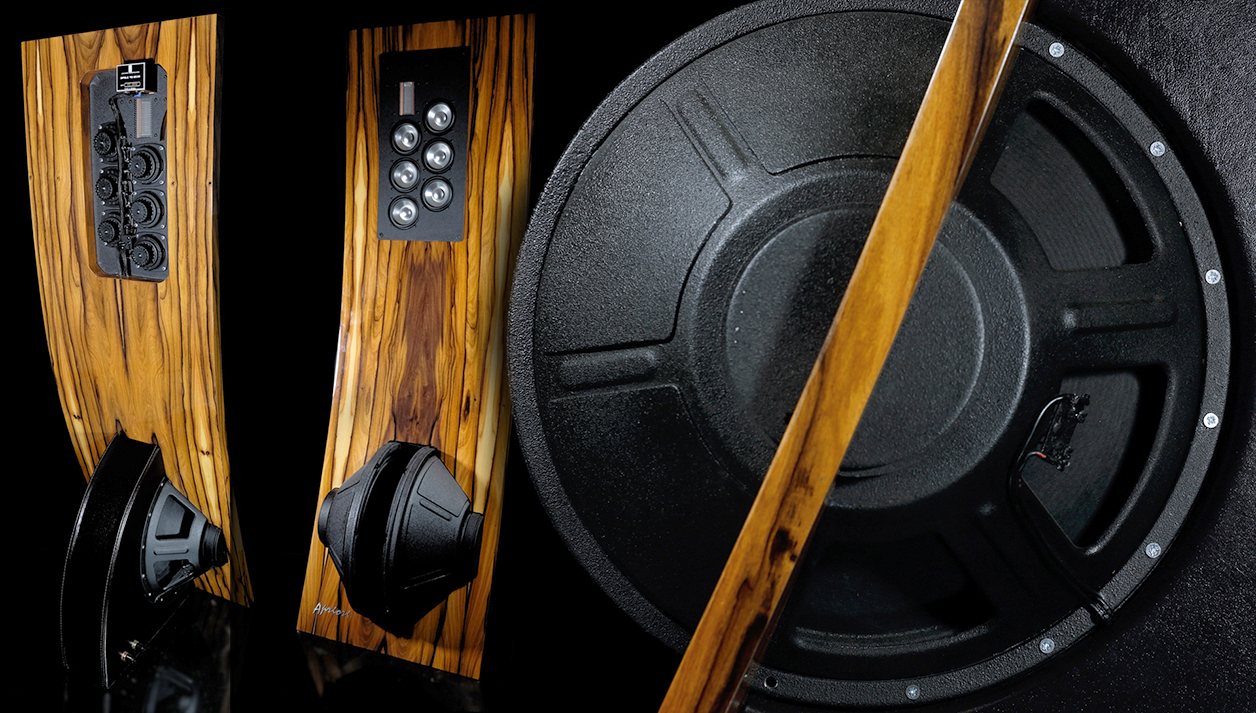
To show another Ripol bass module integrated in a speaker, here is Ecobox's A Priori open baffle based on an original concept by Raal Ribbon's Aleksandar Radisavljevic.
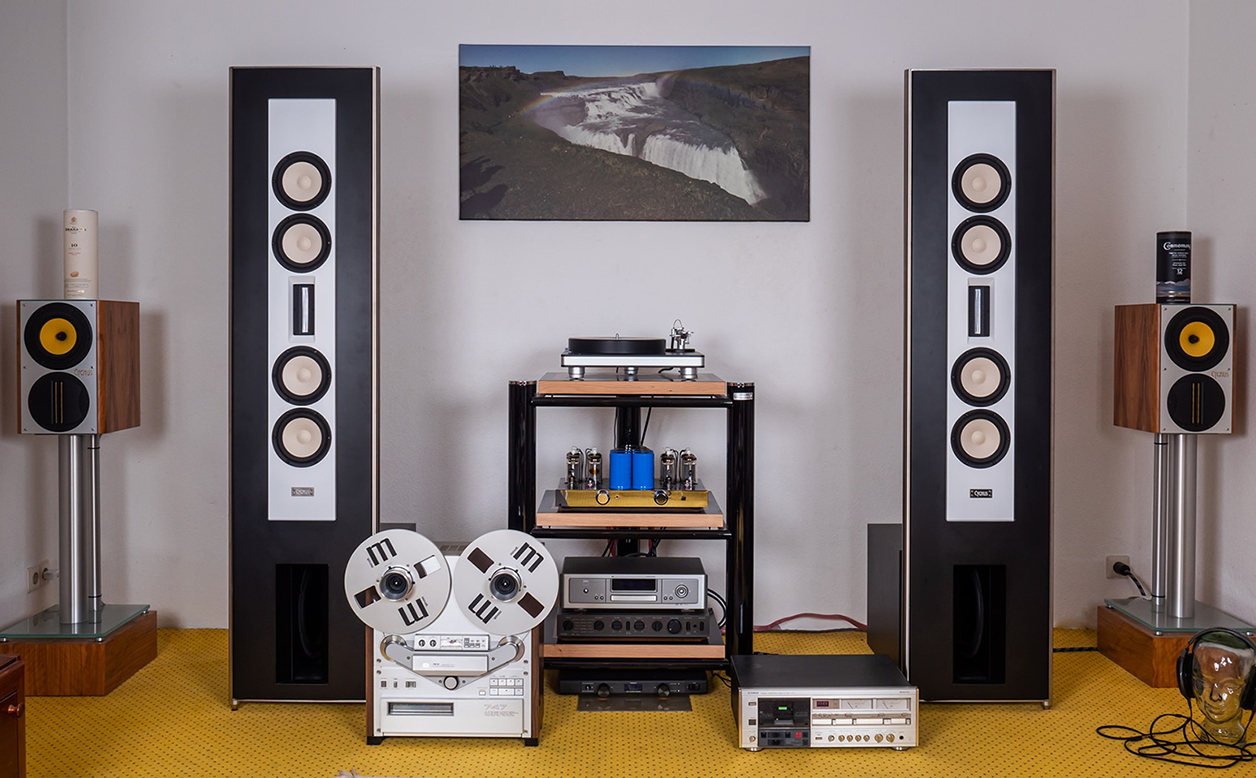

 The TDE from Cygnus Audio is an early MartinLogan hybrid lookalike with panel atop mated to active box below. Bastanis and Zugspitz follow the same concept in purely passive guise. Voxativ dock passive widebander cabs atop active Ripol boxes. Against these precursors, we now see even better how Ole Siig's design sets itself apart. Involving Dresden's Klippel laboratory must be another. Martin Gateley of sound|kaos instead worked with a British acoustics lab to finesse the geometry of his own Ripol subs based on complex suites of measurements.
Should you wonder how Ripol inventor Axel Ridthaler himself allied such bass systems to the bandwidth remainder, the two designs at left are his. I first ran into them at a HighEnd Suisse show very many moons ago. It's what set me on this particular path. Once you hear Ripol bass, it pretty much spoils you for classic box bass. The trouble continues to be identifying one of the few rare such options which suit our décor/wallet. M is one more in this very small group; and possibly most polarizing yet given outré industrial design. On concept alone, fully active drive + class D then misses the majority mark of legophilia which insists on piecemealing a hifi from separates and passive boxes. In that sense the treble clef aims at folks who demand modern smarts—the power of expertly coded DSP—and minimalism from full integration not just from the product but how easily it beds into their living space.
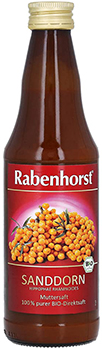
We can probably agree that for them, room treatments are out. So is tweaking with pucks, cones, cables and racks. Could M become their huckleberry? Given Danish origins, perhaps we should say buckthorn, an astringent seaside berry jam-packed with vitamin C. It's ultra healthy but like pure cranberry juice needs serious honey to go down. If low-distortion class D and DSP read healthy but unappetizing to purist 'philes, could the honey of fabulous performance make it all go down a treat? As a punter by proxy, that was my question.