 For two different sides of Azerbaijani songstress Sevda Alekperzadeh, start with the sultry ultra-romantic "San Yadima Düsende"—the video visuals merely pile on the sugar—then advance to her giving the simple "Gül Açdi" folk song the Jazzy scat makeover. Same trained pipes, very different expression. It's a nice stand-in for my final cable conflict – er, contrast.
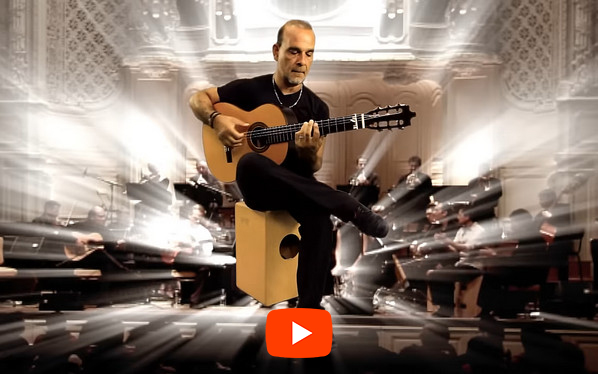
 Given the previous page, it won't surprise that Sevda 1 stood in for Stellar, Sevda 2 and Juan Carmona's blistering "Soniquetazo" at right for the Exact Express Flame cables. In the most basic of terms, these polarities are legato and staccato; fluidity x percussiveness. In music, both elements and their intermediaries figure. Just so, they're different spices just as honey and cayenne hit different tongue points. Whilst neither cable played on a mono diet, it's still fair to say that each had a personality. One was sweeter, the other more peppery. One was more laid-back, the other more forward leaning and piquant.
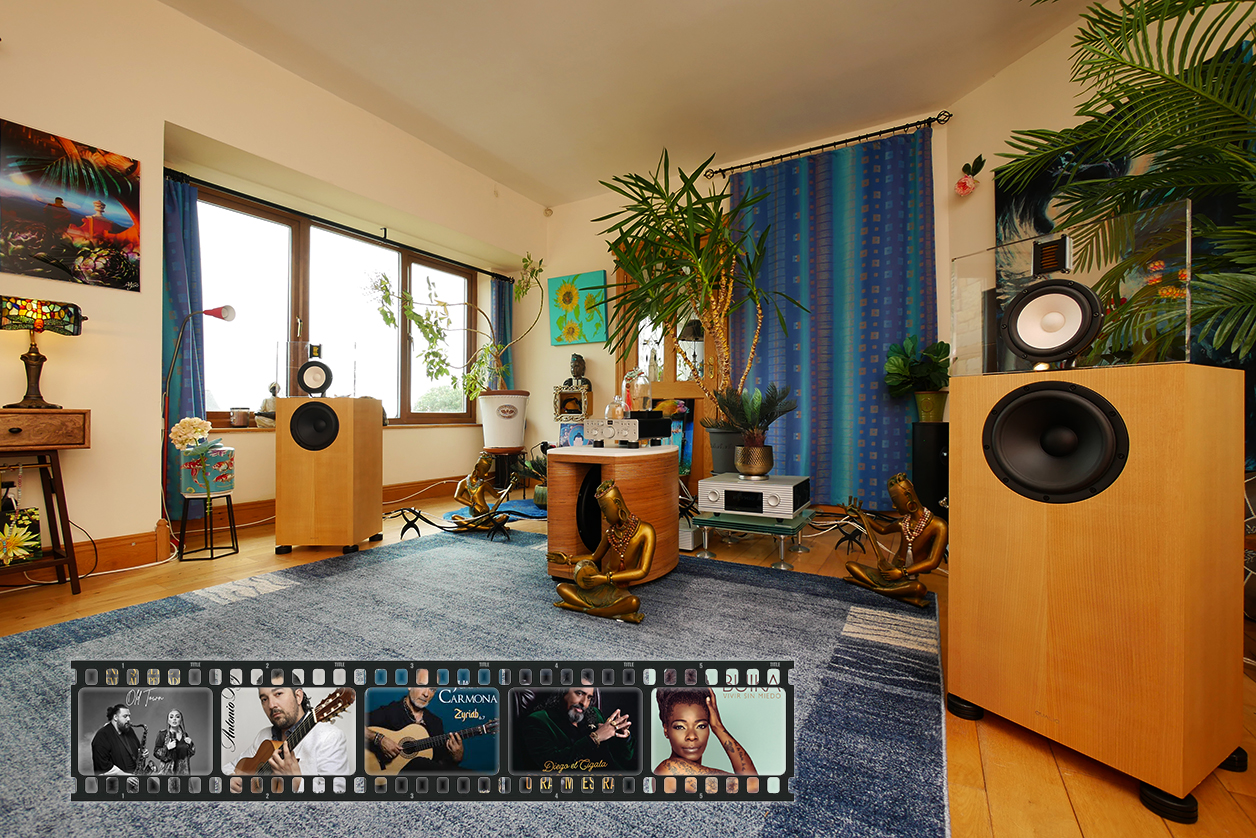
This shifting of mood or mode obviously baked into the presentation. It didn't stand apart. It simply informed the overall feel. One was a bit more raw and edgy, the other smoother and mellower; just like the attitude offset between Juan Carmona's and Antonio Rey's guitars. Do we prefer to lean into our listening chair; or forward with more weight on our feet? I think of it as being biased toward tonal endings or beginnings; the trailing or leading edges. The former linger, the latter blister. Decays dominate in the ambient field of the balcony seats. Transients have the most shock value closest to the musicians. If ticket prices and availability were no issue, we all have specific preferences for where we'd like to sit; at what distance from the action; at what percentile mix of direct and reflected sound. I favour the nearfield and tune even my free-space systems for a similar gestalt. This balancing act has parallels with our choice of soft/hard drive units; between 2nd/3rd-harmonic distortion behaviour; between low and high damping. Aside from tonal balance, it's one of the fundamental flavour aspects which inform system curation and tuning. It's all about personal preference.








As with any description that goes close-up to communicate, proper perspective must step back again or skew proportions. For example, Stellar's mojo—by how many degrees it turned my sonic steering wheel—was less than the spl Crossover MkII's dynamic expander action from its discrete opamps working on ±60V four times higher than equivalent Burson or Weiss devices. That action dominates over these cable calls hence rendered the delta smaller than in the previous two systems. Just so, the trend remained and piling on with a complete LessLoss loom would certainly increase its magnitude. On a purely material matter, Louis's natural black cotton sleeves are naturally attractive to lint from woollen rugs. If you're a clean freak, get ye busy with sticky tape to remove the growing fuzz collection. But there's no sonic fuzz which, in lesser implementations, can accompany tunings that pursue warmth and softer edging.
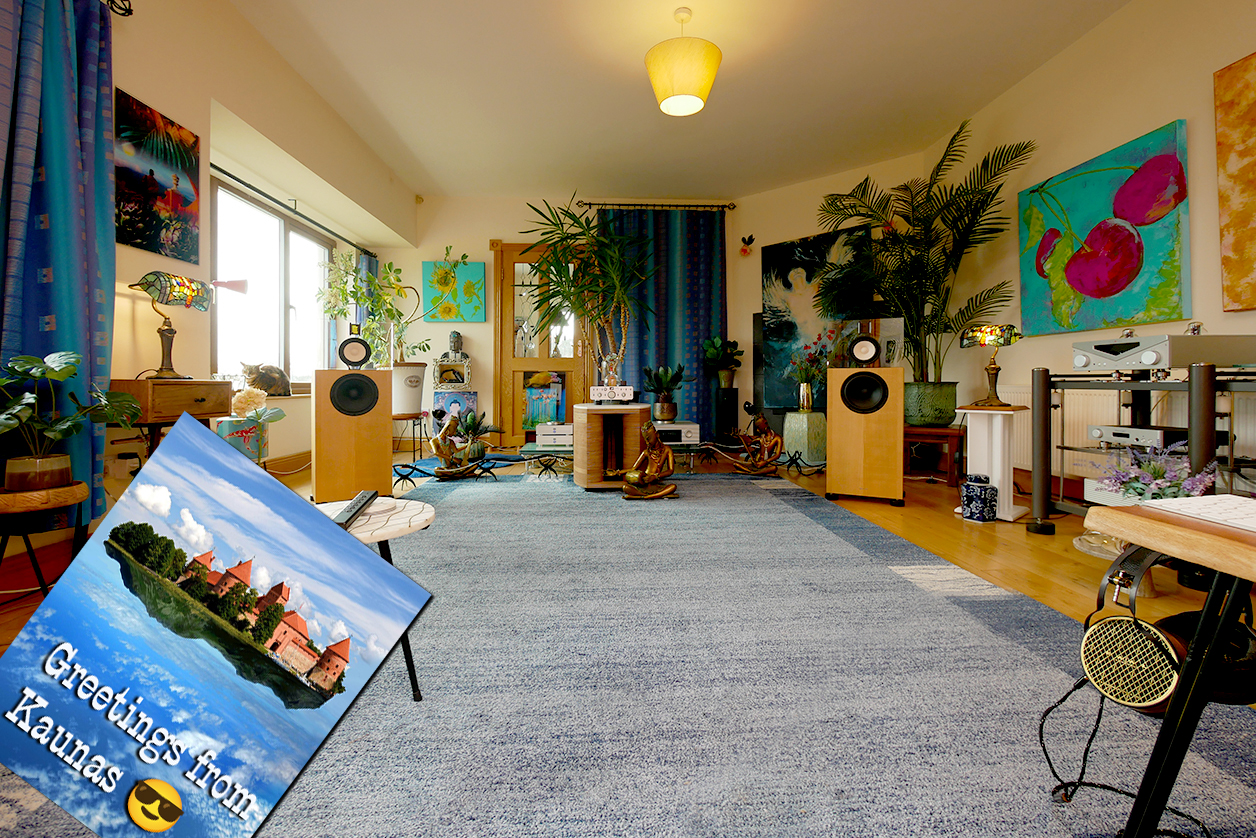
In closing, if this Stellar cable had a business card, it'd advertise "organic farming at high altitude". Altitude represents elevated resolution from effective noise cancelling. Organic farming is for an absence of nervy aggressive pesticides for a pure natural round taste. Though cheap albeit factual, calling up Boenicke speakers which use LessLoss hookup wiring is another useful pointer. As solid-wood builds with often a wideband tweeter/midrange, ambient tweeter and minimalist crossovers, they pursue very similar sonic values. That aesthetic is not what HDF-clad Børresen speakers champion with small hard composite diaphragms. In planarmagnetic headfi, Stellar has more in common with Final's D8000 than HifiMan's HE1000 Unveiled. In generic amplifier lore, Stellar is more class A than D. Materially it is an extreme contortionist of floppy flexibility. Cosmetically it's very modest and the antithesis of hifi jewelry bling. For many pricing will be a bit castle in the sky like this postcard of Kauno pilis, the 14th-century Gothic brick fortification at the confluence of the Nemunas and Neris rivers and today branch of the Kaunas City Museum of Lithuania. But then it's the best in the LessLoss catalogue and still a very far cry from what equivalent bests demand in the catalogues of Siltech or ZenSati.
Where in the Kingdom of Cables it could be country royalty is the proprietary Entropic Process. It's virtually matter of faith when we're not told what it is; can't see it; nor judge its contribution which is baked in so non-removable. Other brands might offer burn-in using non-stop non-musical broadband signal and/or higher voltages¹. Cryogenic treatment has become common. But to my knowledge, no other brand claims to have invented a process which pre-ages its cables to the tune of a lifetime of use; or in this case, twice that. Every wire needs a good story to differentiate itself from the capacious cable crowd. This was my short story on the currently best LessLoss speaker cable called C-Marc Stellar 2X E.P…
_______________________________
¹ From a recent TAS review, "Audience's extreme high-voltage process EHVP [is] a technique said "to align the crystalline structure of the cable conductors to create more efficient 'pathways' for signals to travel through"." Clearly the notion that metallic conductors can be processed to alter their material behaviour is shared amongst cable manufacturers whilst specifics of their various approaches will vary and constitute protected IP.