 |
||||||||||||||
|
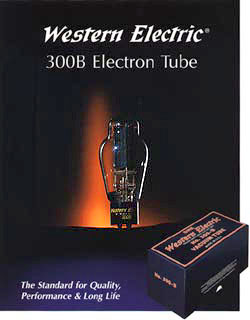
The Reimyo 300B amp falls somewhere between the classic and the best of the modern-sounding 300B amplifiers. It has a rich and full bass that is extremely well controlled and not at all flabby. It is also extremely dynamic in most respects though not as dynamic in the midbass as in the midrange. In that regard, it is a very modern-sounding 300B amp. On the other hand, it is not the most detailed sounding 300B amp I have heard nor is it particularly extended in the higher frequencies. Thus, it does tend to have a slightly darker presentation which recalls a classic 300B tube amp. Like all 300B tube amps, modern or classic, the Reimyo is nearly unrivalled in its portrayal of the human voice. Moreover, no instrument comes off wanting body. All instruments were rendered with full body and natural decay into space. |
||||||||||||||
|
|
||||||||||||||
 |
||||||||||||||
|
In the second session, I substituted my reference Stealth Indra and Hybrid MLT cables for the Golden Performance interconnects and speaker cables and the Monbrison for the Reimyo line stage. The sound now became considerably more open and detailed. There was more extension on top, more detail throughout, better focus and an overall more believable sonic picture emerged as a result. The amp could not drive the speakers with the power or ease of my push- pull amps but the match was quite favorable and there was no question that the beauty and love that Mr. Kiuchi had voiced into the amplifier was adequately expressed in this configuration. |
||||||||||||||
 |
||||||||||||||
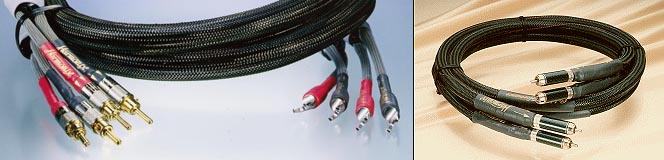
Which brings me to the Golden Performance interconnects and speaker cables. To my mind and as strange as it may seem, these components had the strongest impact on the overall sound of the Reimyo system. With the possible exception of the line stage, every component in the Reimyo lineup took on a different character as it moved from system to system. The CD player was least intrusive on any system in which it became the source. The amplifier transferred its overall character but showed that it could open up, become a bit more agile and detailed when partnered with different cables and preamplifier. Not so the interconnects and speaker cables. I tried them in three different systems and in every one they imposed their character on the system rather than the other way around. To my ears, both are a bit hazy and vague by comparison with the best cables and interconnects. It is not that the cables are colored or grossly additive. They are rather a bit constricting and incompletely focused on the one hand and big, warm and full on the other. In my experience, they are most like Acoustic Zen speaker cables. Finally, I turn to the Reimyo line conditioner. This component deserves a full review of its own but this is not the place for it. I have tried a number of power conditioners all of which involved trade-offs. I am sure there are dozens of highly regarded power conditioners that I have not tried yet but my experience is by no means limited. There is no denying that like God, they give with one hand and take away with the other. Even the best are mildly subtractive. This is the price you have to pay for clean electricity and a lower noise floor. |
||||||||||||||
I have strong views about power. My inclination is that the place to begin is with dedicated lines and external grounding - real grounding. This is not an option for everybody of course. But I mean to put my money where my mouth is (I think). Until then, |
||||||||||||||
 |
||||||||||||||
|
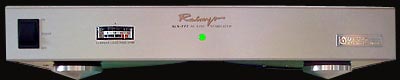
one can do a lot worse than the Reimyo line conditioner. It is only modestly subtractive. It softens the sound by a noticeable hair especially on top and pushes everything just a bit further back in the soundstage. At the same time and because of the QRT system, it opens up the sound considerably especially in comparison with other conditioners which often close and darken the sound. This is an especially wonderful effect of this particular line conditioner and can be exploited even if no components are plugged into it. The QRT effect works as long as the Reimyo is plugged into the same general line as the rest of the system and within a 35-foot distance. |
||||||||||||||
|
There may be beauty and harmony in all the misery we experience but I prefer to discover it through the pain and ugliness of it all. I don't want it hidden from me. Others feel differently and I respect them for it. Who would deny that the world is often too much to bear? Thank God there are those like Mr. Kiuchi who are capable always of seeing and reflecting the beauty in it. As I said, this was not intended as a review of particular products in the Reimyo line but I can offer some modest suggestions if you decide to purchase parts and not all of the Reimyo system. So here goes. But please take these suggestions as no more than that - unless otherwise noted. (Otherwise noted: You can |
||||||||||||||
 |
||||||||||||||
|
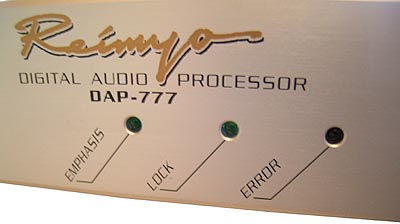
purchase either digital Reimyo product with complete confidence that both will work wonders in whatever system you have. You can confidently build a wonderful system around either.) Second, if you are one of those who spends ridiculous amounts of time choosing between power cords, you should consider outfitting your system with a full complement of Studio Masters. You can beat them in this or that system but you are unlikely to better them in most situations. By high end power cord standards, they are also very reasonably priced. Third, the Reimyo line conditioner will be among the least subtractive you can place in your system. It will have the additional benefit of opening up a system instead of closing it down while effectively reducing the noise floor. The Reimyo does however soften things a bit and is thus especially recommended for systems that lean towards the sharp and edgy. |
||||||||||||||
Even the interconnects and speaker cables which were least to my liking of all the Reimyo and Harmonix products I tried can be tremendously good additions to the right systems. I think the speaker cable for example would mate exceptionally well with Kharma speakers. The same may well be true of various JMlab Utopia Be speakers. Both Kharmas and Utopias have tweeters that sometimes call attention to themselves. Systems that are a bit lean in the midbass (which has been my experience with some Audio Physics speakers) might be perfect mates for the Harmonix Golden Performance cables and interconnects. Such systems, in contrast, might sound worse with the Stealth Indra interconnects I so adore. Everything is about seeking a balance, finding components that work well together and whose combination in a system touches your heart and makes you look forward to session after listening session. Such playback systems invariably are costly investments. Their main purpose is to bring joy, pleasure and fulfillment to your day. For many individuals, that level of joy and fulfillment can be achieved by the Reimyo system as it is. In many ways, those are the lucky ones. For they, like the great Kiuchi-san, are able to look at the world in which we live and recognize it for what it is yet see in it something soulful that's worthy of saving and a beauty that is available freely. All one need do is embrace it. |
||||||||||||||
 |
||||||||||||||
The rest of us, I fear, can merely pray for such a world and worry that we shall never experience it - at least not in our life time. Even so, we can take pleasure in Mr.Kiuchi's grand vision of enduring beauty, harmony and love. These are attributes Mr. Kiuchi displays not only in his work but life as well. Would that this were true of us all.. |
||||||||||||||
 |
||||||||||||||
 |
||||||||||||||
 |
||||||||||||||
 |
||||||||||||||