|
|
|
Longer extremities? Ivette and I do a morning Osho meditation whose first half hour is accompanied by a Tibetan-inspired bell/singing-bowl soundtrack. Because of it, the very first thing noticed with this very familiar track over the standard STP-SE was a virtual tweeter update. HF cobwebs, of very feathery very faint background bells, showed up clearly where before they'd been barely traced. Like a carnival high striker hit hard enough to send its puck all the way to the top, the strikes of small high bells rose steeper and taller, then decayed longer. The peculiar rolling warble of oscillating molecules in multiple singing bowls was more specific. I tested this later on proper music like the opening track of Aytac Doğan's Deva with its barely-there cymbal brush and micro tip work; and "Promenade" on the Vassili Tsabropolous Melos album with its Platinum-tinged triangle strikes. Check. Again, the harmonics embedded in the metallic attacks flashed higher with more fire, their very quick collapse prolonged for more visible lengthier trails. This translucent gossamer stuff had our Accuton tweeters behave more like a hybrid of ATM for dynamics and Raal ribbon for transparency. In short, the Stage II upgrade opened up the bandwidth's upper extreme. This is the domain of overtones, of reflections mapping recorded acoustics with fizzy haloes, of general contrast ratio. It's also the domain of not separation anxiety but separation potency when layering compounds and complexity deepens.
|
 |
|
 |
The bass extreme showed a similar uptick in adroit articulation, even power. As in the treble, the first quality fell under hearing more finesse as though higher magnification was at work. By acting like you'd expect an even superior noise floor to manifest, my conceptual mind, without question, viewed this as objectively better, not just different. This neatly sidestepped the whole dilemma of Puss in Boots versus piss in boots. |
|
However, the bass showing a small output gain stepped right back into it. More quantity rekindled the academic question over being additive or not. Leaving well enough alone, I'll merely say that the parts update benefited both frequency extremes and particularly the quality of the treble. Making the finest highest overtones more obvious led to not only more harmonically charged transients but slightly more vibrant glossier tone in general. |
|
|
|
|
These related and interlocked aspects, of transients with more overtone content plus greater rhythmic bass articulation and impact, led me naturally to a session of Latin Jazz. That was anchored by Andy Narell's Dis1.4.Raf, Manu Katché's Unstatic and Ray Obiedo's Latin Jazz Project N°1. With Stage 2 in the driver's seat, seemingly lower noise plus increased drive had rhythmically virile and boisterous music behave as though it'd received a small injection of stem cells. Tying up these findings, they behaved predominantly as increased resolution. That meant seeing and hearing more of the very subtle stuff, hence more recorded space between and behind the performers. The exception was the uptick in bass power which, perhaps, suggested more current stability from the four upgraded big capacitors. These improvements seemed to fit primarily into the 'passive' preamp drawer and only in passing touched upon the 'active'.
|
 |
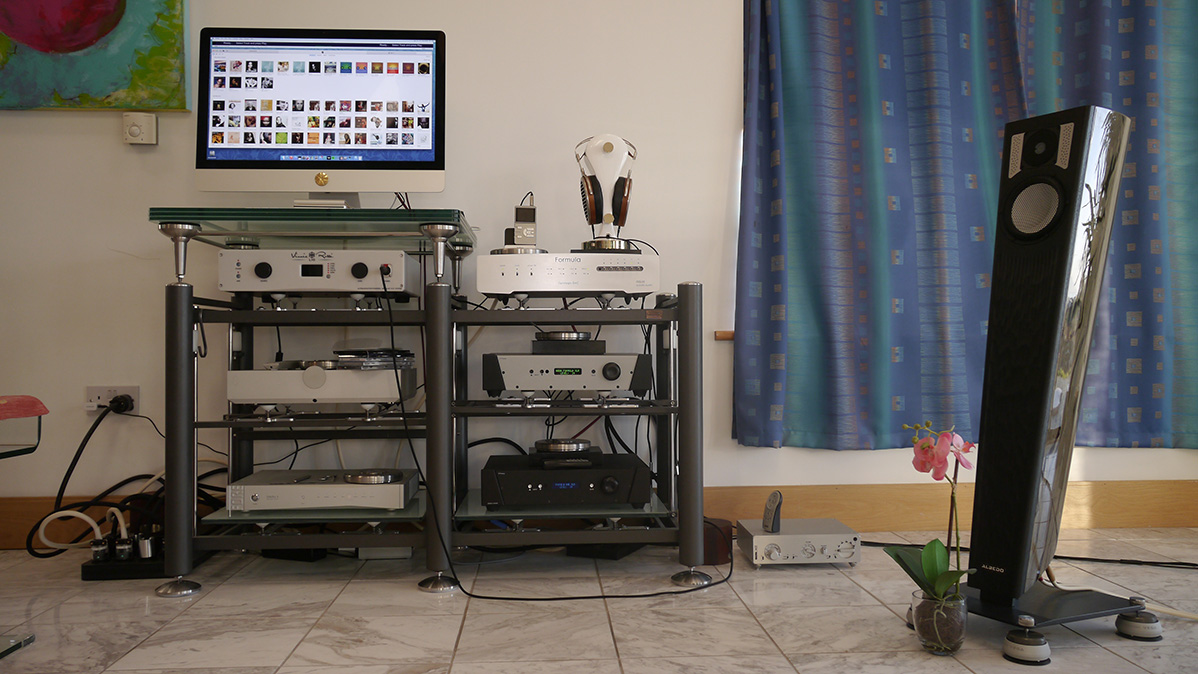
Invoke now the evergreen maxim of not knowing what you don't know until you do. Unless you pitted standard and Stage II STP-SE against each other, you'd never suspect that the first obscured anything at all. in fact, already this $1'999 version had delegated our €10'000-when-new Esoteric C-03 to clear second place (in fairness, that model has enjoyed its own updated revisions since). As it turned out, it didn't take a silly-money über system to hear that the standard SE's lens still was of lesser magnifying power than Stage Deux's. The 5½" two-way Albedo Audio transmission lines with smallest class A Pass Labs stereo amp showed it up clearly. Superior noise specs did lead to enhanced visibility 'down to the bone' of the musical marrow. This was perfectly demonstrable with the reseating of a few cables. I admit to not expecting it to be this easily made out. It meant that EJ's parts swaps were most strategic and with it, surprisingly effective. It also meant that they had nothing in common with warm, fuzzy comfort or laying anything on thicker. It all seemed to be about removing minor barriers in whose absence recorded urgency, intensity and directness communicated themselves more strongly. I'd call this effect an energizer, rejuvenator and revealer of deeper space. It wasn't really about bodybuilding or weight gain.
|
|
|
|
Activated passivity? With the Nagra Jazz gain toggle switched from 12dB to 0dB, more feedback eliminates all voltage gain from its tube stage. Now it behaves like a passive similar to the II. Of course not for a moment did I expect that the two would sound spot-on identical. If they did, why bother with tubes? Functionally, EJ's balanced/dual-mono volume includes very precise balance control. Nagra add a second stereo pot for this function. If your room's treatment between the sidewalls isn't the same; if the construction is asymmetrical; if like your feet your ears aren't precisely the same... then the ability to move the center image exactly back into the middle to compensate for room/setup/hearing shifts is most practical. Both decks and the Vinnie Rossi LIO fitted with the dual-mono Slageformer control (no tubes) supported it. Sonically the Nagra's focus was softer, its transients milder, its textures silkier. The sheer contrast ratio of the Wyred was higher whilst its textures were a tad drier. Its recovery of very faint ambiance—just a sliver of reverb behind instruments for example—was greater. This mapped out deeper virtual space when markers for it were almost subliminal. Bass too had more heft and crunch. On lesser recordings with lower tone body, the Deux could show wiry steeliness or glassy bite sooner. Here the Nagra's gentler handling sheathed those teeth a bit longer. These were finer gradations of difference; quite astonishing given the huge price offset, less so when shared design briefs aim for the mystical middle of neutrality.
|
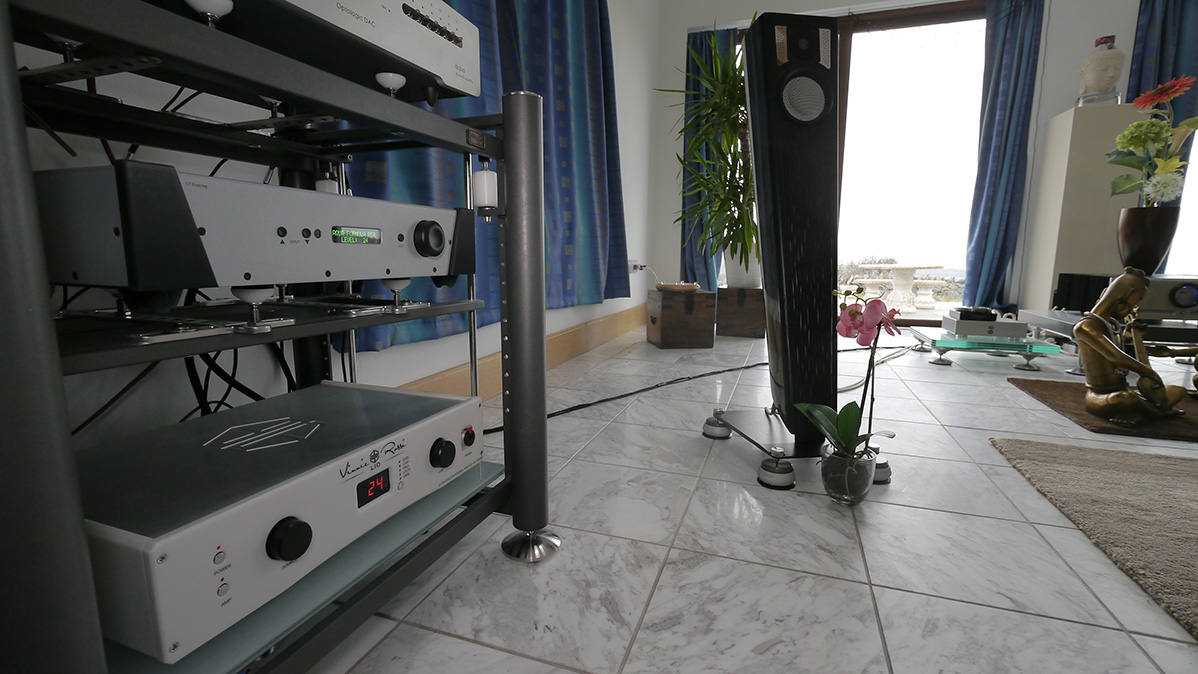 |
Passive aggression? Because I never came anywhere near eyesight of the Wyred's gain, its only functional difference to the LIO was being actively buffered. With the latter exclusively single-ended (even its optional XLR i/o are mere convenience not true balanced sockets), I now ran both machines with an RCA harness source to amp. This comparison occurred in even closer proximity than the previous. The chief offset I didn't so much hear as feel had to do with the tension/relaxation axis. Over the Wyred, musical tension—the hold-it-together glue if you will—was tauter. Perhaps due to its autoformer windings, the same tunes over the Vinnie Rossi felt more back laid back. Edge-of-seat homo erectus versus slouch potato in overstuffed couch to overdraw. That was the primary distinction. For coin tweak, a LIO outfitted as 3-input AVC preamp with two variable outputs and one fixed demands $5'485. Though superceded by the Nagra Classic Preamp, the Jazz with optional i/o balancing transformers traded for €12'200. On number of inputs and outputs, custom naming and true balanced circuitry, the STP-SE exceeded them both. That even in the II version it still did so for less or a lot less makes it all the more attractive.
|
 |
Perfect CV for the job. Let's return to an earlier question. How much has really happened with preamps over the last seven years since I first reviewed the STP-SE? Disregard the current trend to bundle DAC, headphone amp, preamp and perhaps even server. We identify a modern preamp's job as source switching, volume control and ability to drive longer cables. For most applications, additional gain no longer factors. Source switching is done with quality relays. Cable drive relies on low output impedance and current. That leaves impedance-invariable volume control. Here all conceivable permutations have long since been exhausted. It's probably why my overview of three top-quality preamps happened inside a narrow window of variability. A 7-year, 4-year and 2-year old circuit all tweaked for top specs operated on the same high plateau. This meant very low noise and distortion for top magnification. It also meant being able to play quietly without wanting for detail or presence. Do you like your coffee black, with milk, with sugar or both? Not only is that very personal, it already eclipsed the range of motion these three preamps offered on sonic shifts.
|
 |
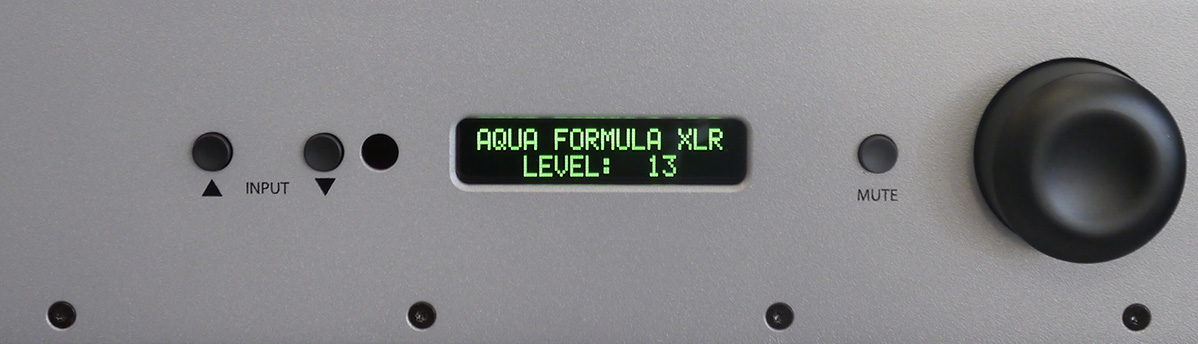
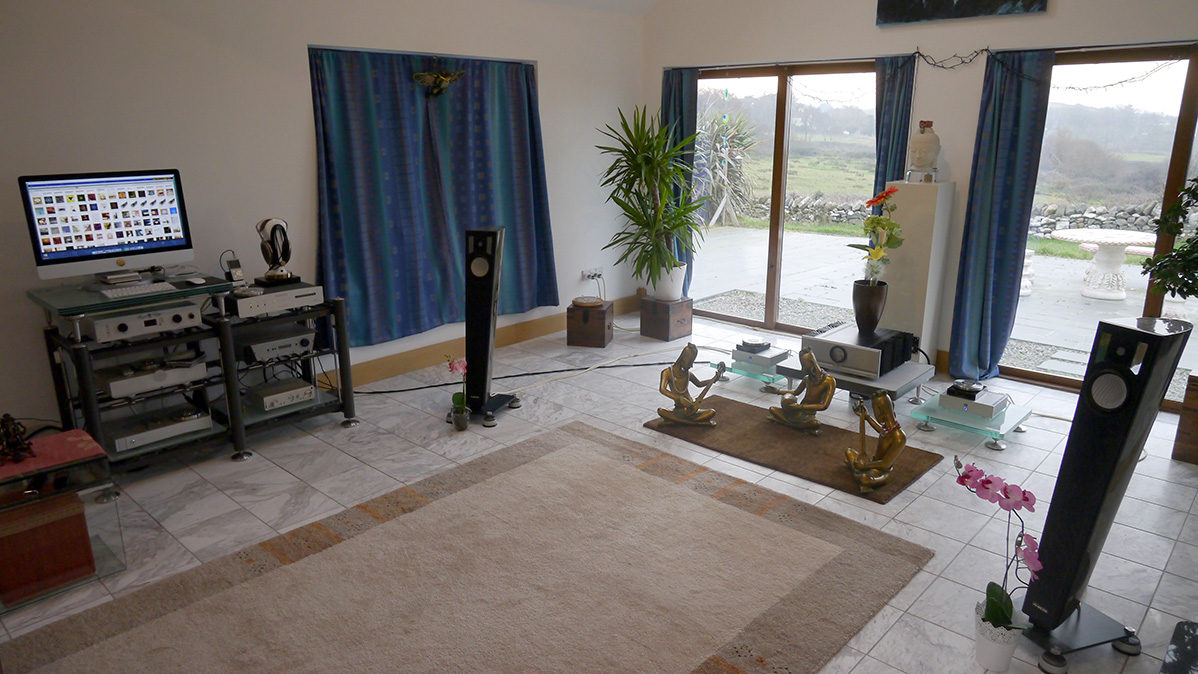
Take something as hyper transparent hence lean like the nCore 500 monos from Nord Acoustics with Sonic Imagery discrete opamps. Add silver cables and our Accuton-driver speakers with Aqua Hifi Formula source. In this mix I appreciated the slight softening of focus and fine 'suede' textures which the tubes inserted. On the warmer bassier denser Pass Labs XA30.8, the STP-SE II's twitchier vigor and higher contrast called it. In either case, LIO was close second. If we stay with the java image, none took sugar. The Deux fancied pure black. LIO took a teaspoon of milk, the Jazz two. Time to grandfather the Wyred4Sound STP-SE II under the original's award. It's a forgotten gem that deserves a major undusting for a Second Coming. Except for designer looks, it's a component that keeps far pricier challengers honest. If you do want gilding like a press release just then announced a 24K gold-leaf appliqué option for an already €30'000 two-way monitor, you'll walk right past of course. As for our system, this machine's increased lead now finally put the Esoteric C-03 firmly out to pasture. Though price positioning and a funky name don't let on—STP-SE Stage 2 really does stick to the tongue, not rolls off it—this is a machine of quiet but true reference calibre!
|
|
 |
|

|
|
|

|
|