|
|
|
The recipe of the remedy. Inside the cast casing with its signature and backlit 'W' logo, you expect a buffer on a chip; some signal-routing circuitry; a precision clock; a sample-rate converter; and some power filtering for the wall wart. The now popular term femto clock relates to precision that's measured in femto, not micro, milli, nano or pico seconds. A femto second is one quadrillionth of a second. That's one millionth of one billionth; or a whollotta zeros. One needn't be a diehard cynic to wonder. Is our hearing really keen enough to resolve into such femtoscopic strata? What type of geek worries about this crap?
|
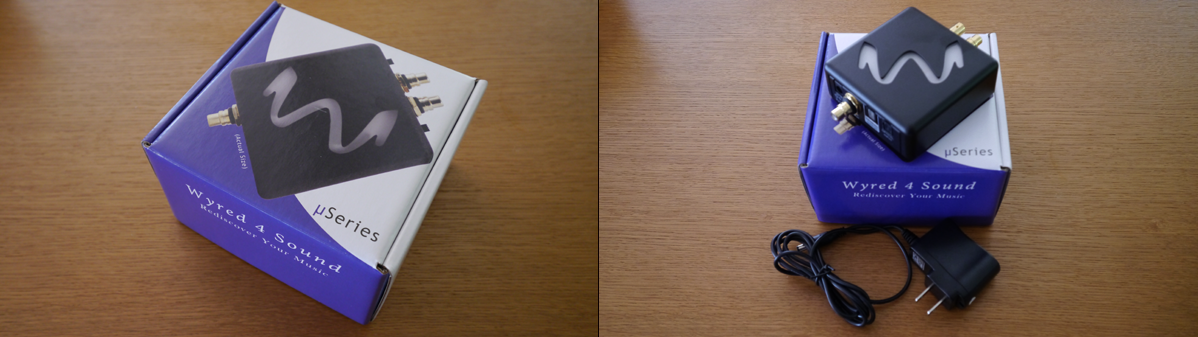 |
The likeness printed on the carton is perfectly to scale. The mini wall wart's LED lights up red when plugged in. The 'W' remains unlit until there's signal lock. Then it turns blue.
|
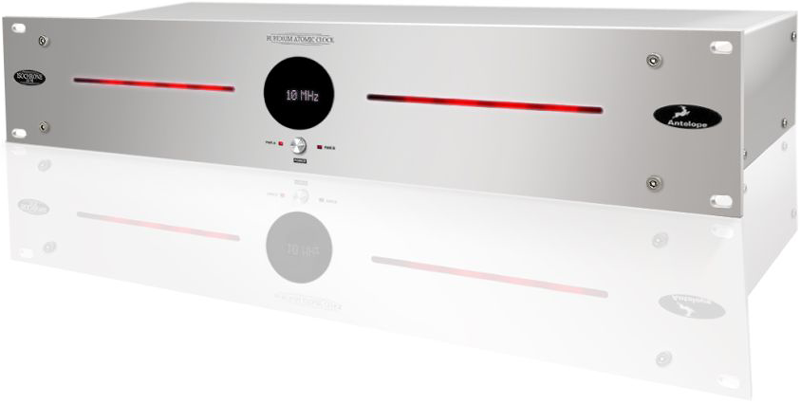
As it turns out, quite a few. For just two, Esoteric in the consumer and Antelope Audio in the pro sector have so-called atomic clocks based on Rubidium pulse generators. They're considered the final step beyond standard crystal oscillators shy of using Cesium clocks. Grimm Audio who supply professional recording studios write that "extensive research into the correlation between jitter and sound quality brought to light that emotional response to music is vastly more sensitive to jitter than previously realized. Our attention turned from 'making jitter low' to achieving the most stable possible clock. This research turned up a surprising array of previously underestimated performance factors like power supply noise, oscillator control circuit noise and low-level crosstalk."
Calyx Audio a year ago launched a consumer DAC they simply called the Femto to highlight its superior clocks. Whilst there's no denying that femto has become a hifi buzz word like cryo, nano tech and DSD128, all it really means in our context is a costlier more accurate range of clocks over what was commonly considered good enough or perhaps readily available just a few years ago.
|
|
|
|
|
|
|
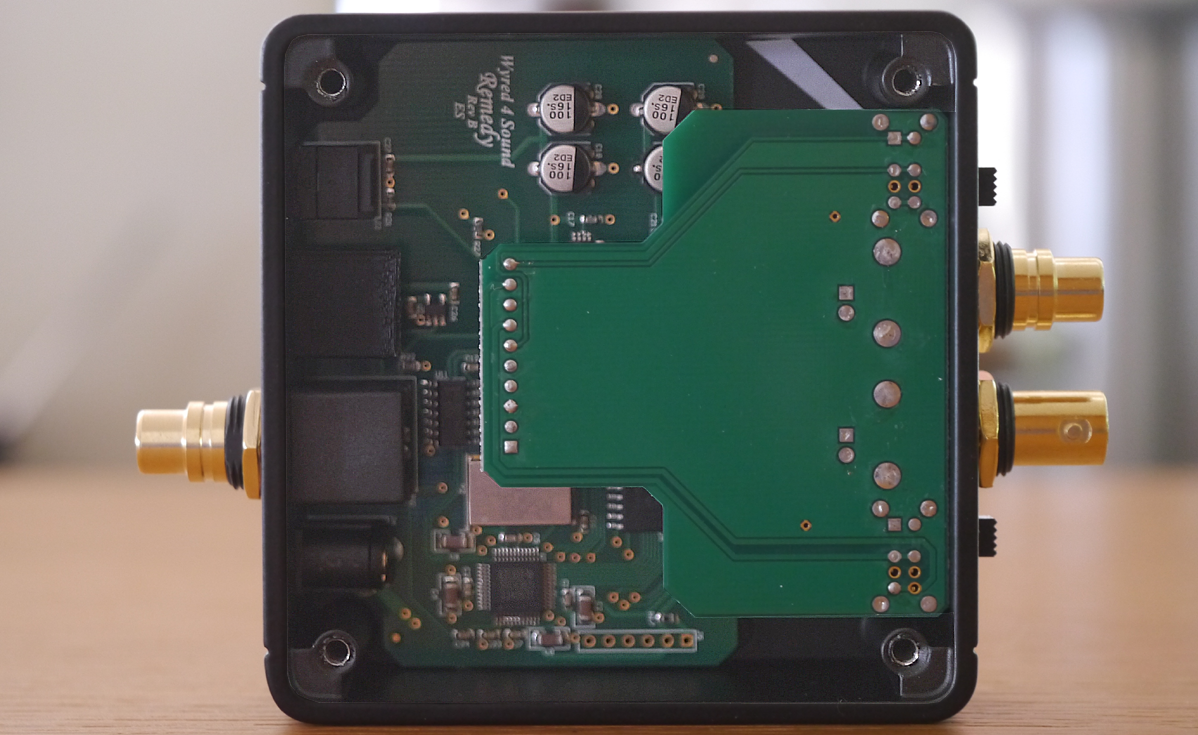 |
Crystek CCHD-957-25 femto clock in silver metal casing partly obscured by upper board; BurrBrown sample rate below it.
|
| A look inside shows the 'what'. Here we remember that EJ Sarmento's first femto clock encounter came when he experimented with better parts to update his already popular DAC2 to SE and DSD status. As an example of sideways trickle-down, the Remedy tacks one of their performance advantages to competing kit. Tony's opening comments on owner feedback which Wyred has collected suggest that potential applications include not just 'consumer-grade' mainstream gear but more 'high-end' stuff that's simply a few years old. Sufficient age should imply earlier less accurate types of clocks. I didn't think my Metrum Hex, AURALiC Vega or Aqua Hifi La Voce 2 converters were old enough to apply. Yet. But I'd check just in case.
|
|
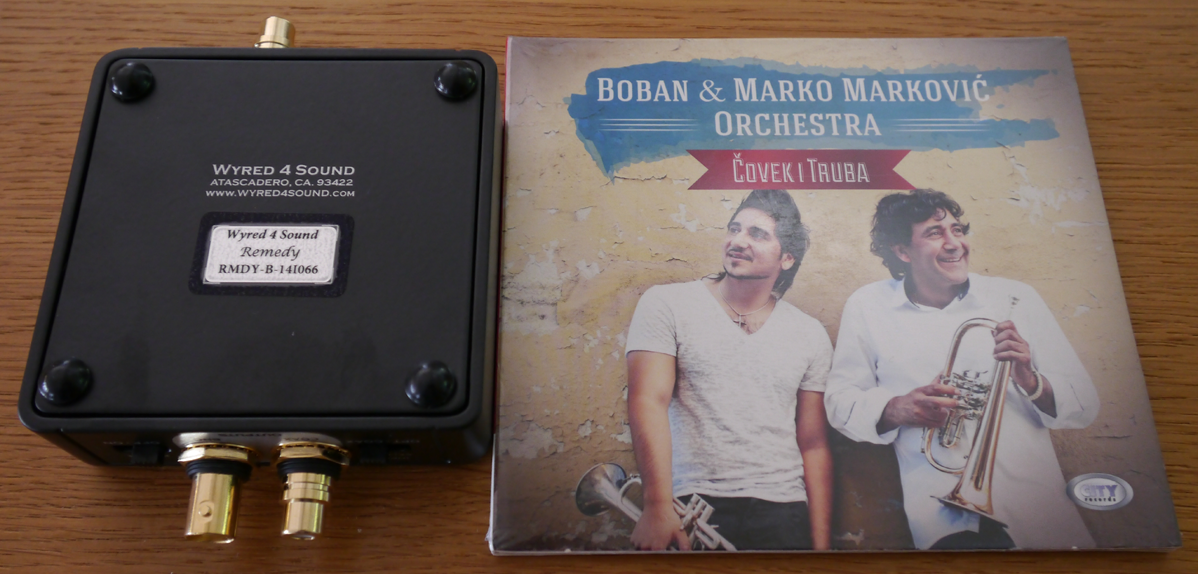
If you're still vague on the physical size of the Remedy, the next photo will have you crystal. It's smaller than a CD.
|
|
|
 |
|
|

|