 |
|
|
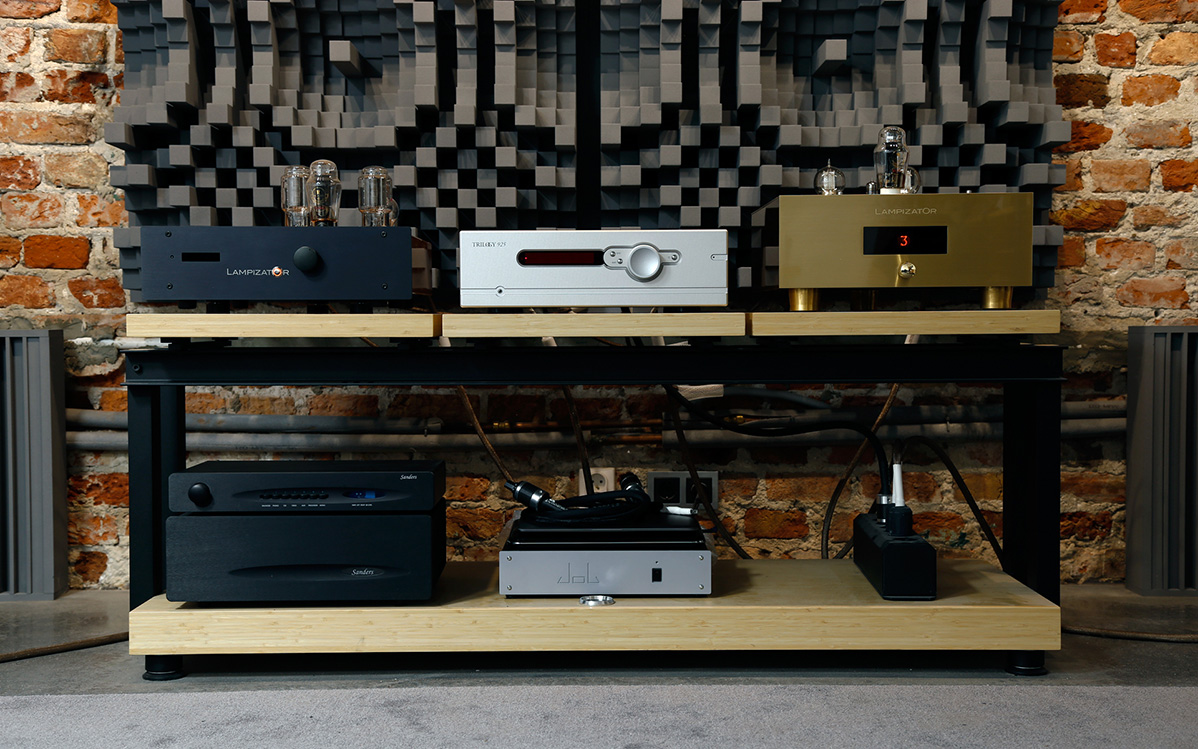
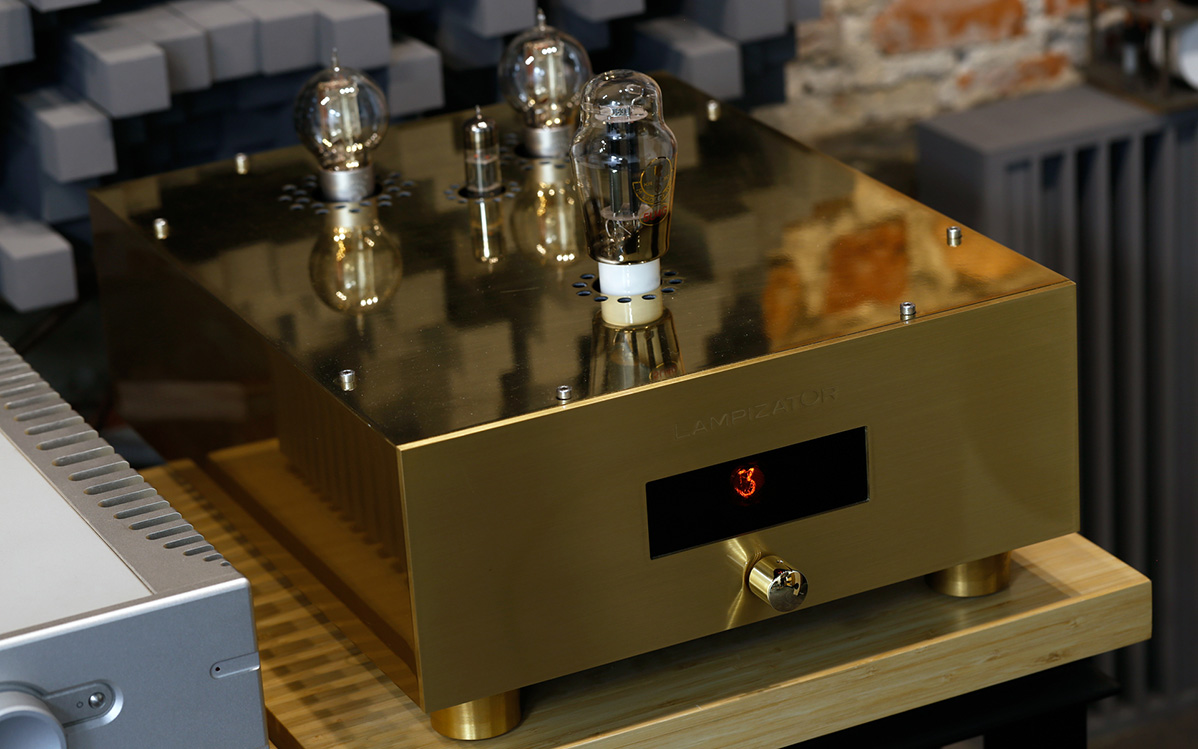
He shared how all this was achieved via trial 'n' error, out-of–the-box thinking, tinkering with different parts, new topologies and presumably some luck. But the main takeaway is that the Pacific was on no time-sensitive agenda to create none of the normal release schedule pressures. Without protruding tubes and cables on its back, the LampizatOr Pacific measures 43 x 19 x 52cm WxHxD and weighs 20kg. Those are some figures for any DAC. Needless to say, my Golden Gate was dwarfed by the newcomer. The previous flagship had its aluminium front complemented by a bent cover of polished copper seamlessly turning into the sides. The Pacific flaunts brass. Where he finds gold vulgar, Lukasz adores brass. His latest look is heavily light dependent. It can gleam very much like gold or tone down to something far cooler and less flashy. My photos reflect this far better than words. The shiny Pacific showcased around the world and my loaner was the second unit produced and the so-called satin brass version. If that's too flamboyant, more muted semi-black/brass and fully black versions should eventually become available.
|
 |
Now let's take a look at the Pacific's front. Not much is there: the brand name above a large gloss black display, a brilliantly clicking shiny input selector below it. My own DAC has two on/off switches. The one on the rear puts the device in standby mode to heat all the valves, the frontal one in the logo's 'O' turns on the high voltage. The Pacific drops this second switch and lives with a single one in the back. In turn, the old company logo disappeared. With it associated memories of DIY beginnings evaporate as not suiting the expensive newcomer. Moving right along, the Pacific offers two display options. If fitted with the volume control module, there's a remote control and Oled screen, neither of which I've seen. Because my main amp is an integrated, I had no need for that version to request the basic Pacific instead. What I received however…
Years ago, during one of our usual future-heavy talks, Łukasz had told me how he'd love to use Nixie tubes. It took him a while yet finally he delivered. Instead of the Oled display, his Pacific without TAIV VC-04 resistor ladder volume hides a GN-4 Nixie behind its acrylic glass. Confirming which one out of the five digital inputs is selected is its sole task yet it looks stunning doing just that. The rear panel is generous. An aluminium knob in the upper left corner selects heater voltages for 300B, 101D, 242, 45 and PX4 respectively. The design goal was to lock in each valve option to within 0.5% tolerance and not the looser 5% which elsewhere is considered sufficient. This translates to reduced parts stress. Somewhat below is the mains switch, an IEC socket with replaceable fuse and a voltage selector. The Pacific is globally compliant without factory adjustment. Next in line is the wind rose logo and product name. A large nameplate below informs us about power consumption, manufacture and warranty dates, the person responsible for assembly and testing, max PCM/DSD sample rate support, included valves plus a serial number sticker. Each single-ended Pacific sells with an NOS 6H6P dual triode, a pair of 300B and a 5U4G rectifier. Vintage driver aside, rectifier and direct-heated output triodes are by KR Audio in cooperation with Łukasz.
|
 |
That's because Eunice Kron ordered her crew to develop several models for LampizatOr and that's how the Riccardo Kron series was born. Łukasz simply placed a substantial enough order to get KR interested in an ongoing collaboration. The glass of this special production is thicker than usual and the innards are coated with zirconium. These features drive up cost but according to our man make a difference. Moving on, a WBT ground post neighbours matching RCA line outputs which sit next to four digital inputs: AES/EBU, BNC, coax and USB type B. An RJ-45 socket visible up top is the Roon Bridge. Each Pacific ships with that micro-computer module by default just like Vincent Brient does it for TotalDAC. The Golden Gate was and still sells with three ball-bearing footers whereas the Pacific arrived with an equal number of Polish Stacore equivalents. These folks engineer heavyweight air-bearing platforms. Łukasz wanted to distinguish the Pacific as much as possible from his previous flagship and since he knew the Stacore crew, they developed for him brass feet loaded with a slate sandwich. The robust foam-filled flight case remains to protect from transit mishap but obviously grew up to accommodate the new larger DAC.
|
|
|
|
|
Now let's talk versions. The base model reviewed costs €22'000. A similarly spec'd Golden Gate as a single-ended machine with no additional i/o or volume is €13'000. Fully loaded, these decks can escalate to €35'600 and €25'000 respectively once local taxes are factored. In short, the most pimped-out Pacific is as pricey as a dCS Vivaldi. To many people that's far beyond madness and perfectly understandable at that. On that count there's nothing to add. I'll just repeat one well-known mantra. LampizatOr have been a customer-oriented company since day one. Upgrades and alterations have always been supported and that approach has only expanded since. Every Golden product owner (Golden Gate or Golden Atlantic) may trade-in at 100% list price for an Pacific upgrade, zero depreciation involved. If you had a balanced version of the previous flagship minus volume control and you'd like to become a happy owner of the base Pacific, subtract a hefty €15'000 from the final tab. That means a €7'000 pay out, not €22'000. If that's not an example of a very generous upgrade policy, I don't know what is.
|
 |
Of course if one decides to follow this path, brand-new KR Audio valves provided with the Pacific are off the table unless purchased separately. The good news is that any old golden machine sent back for the Pacific upgrade must ship without glass aboard, hence the previously used valves can be repurposed. Now we really should talk fit'n'finish yet we won't since my #002 loaner wasn't yet 100% licked on that score. Final production would elevate the brass polish. What can be mapped is the magnitude of change inside. I took a good long peek at the Pacific's innards. Kinda. If you wonder why I showed their balanced version, it's because I'd asked Łukasz to provide photos. I was in no rush to risk opening his priciest product. It so happened that he had several balanced units in late assembly when my request arrived.
In any case, each part mounts to large, thick, veneered MDF as one of several remedies against tube noise. One large PCB with the output stage sits above the rest and this is something we already saw in previous LampizatOr products. Amanero's Combo384 still handles USB but is now supported by two Pulsar €470/ea. clocks whose power supplies are provided by the same maker. The digital board changed significantly as well. LampizatOr's chipless DSD engine can be mounted if one desires yet has stopped being the default. Likewise for their previous generation of discrete R2R PCM circuitry. This time Łukasz rolls an ΣΔ chip. I was told that its supplier considers LampizatOr influential enough to grant them being this silicon's earliest adopter. The identity remains a secret. Once opportunity struck to try this new chip, Łukasz acquiesced to a return to balanced sigma-delta conversion. But it still took him a year to discard the regular data-sheet implementation and build his own circuitry around it from scratch.
|
 |
Next he identified a suitable digital receiver to compliment it and christened the twosome with the code name '57 Engine'. It auto-senses and auto-switches between DSD (up to 512 via USB and LAN) and PCM (24/192 via S/PDIF, 32/384 via USB and LAN) and doesn't alter incoming data for either format in any way. The power supply for this digital section had to be redone from the ground up as well. The Arduino and a control logic chip duo factor as well. Via proprietary firmware, the former tells the latter what it is, what it has to do and how. This microcomputer controls the conversion process according to Łukasz's ideas, not the usual data sheet implementation. That's key. But a completely new digital board isn't the only big step forward. The tube output stage might look similar to the Golden Gate and the PCB layout is very much alike to remain a zero-feedback design. But two important things changed. Now the constant current source for the directly-heated triodes isn't silicon, a choke or a resistor but the NOS 6H6P dual triode - or a pair in the balanced version. This small bottle gets very hot. According to Łukasz, when compared to every other solution he came up with, this active anode loading for his DHTs put everything else to shame.
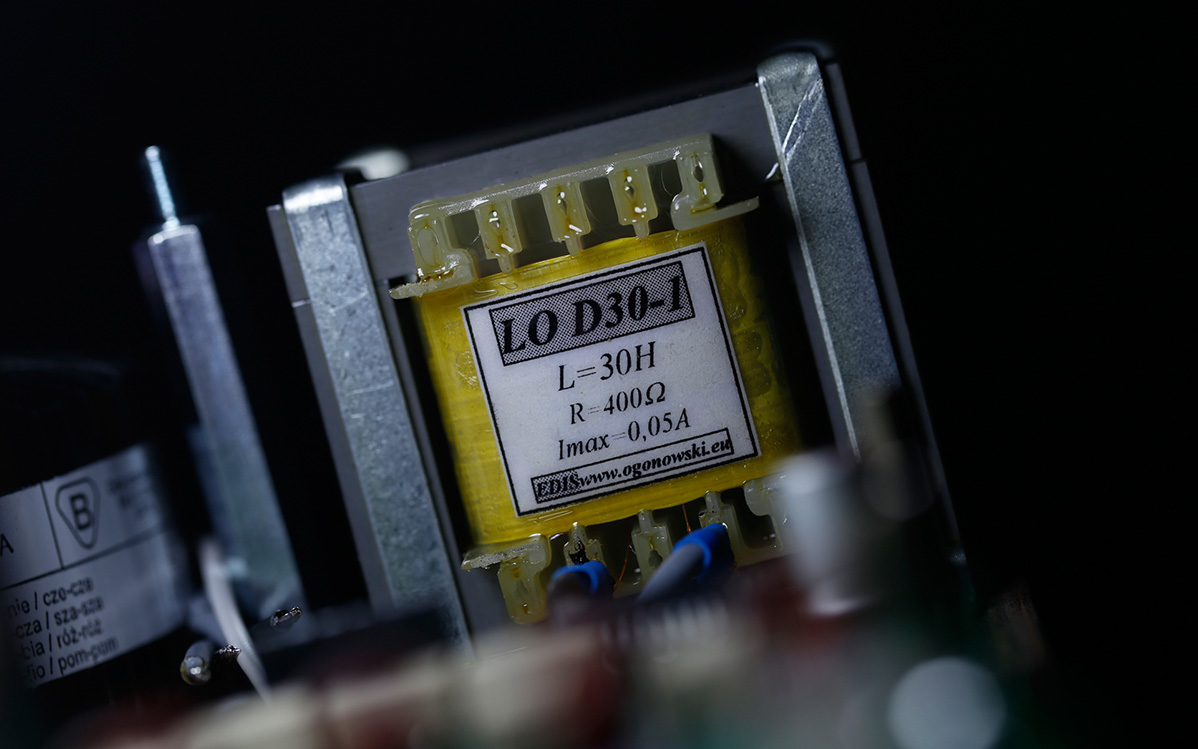
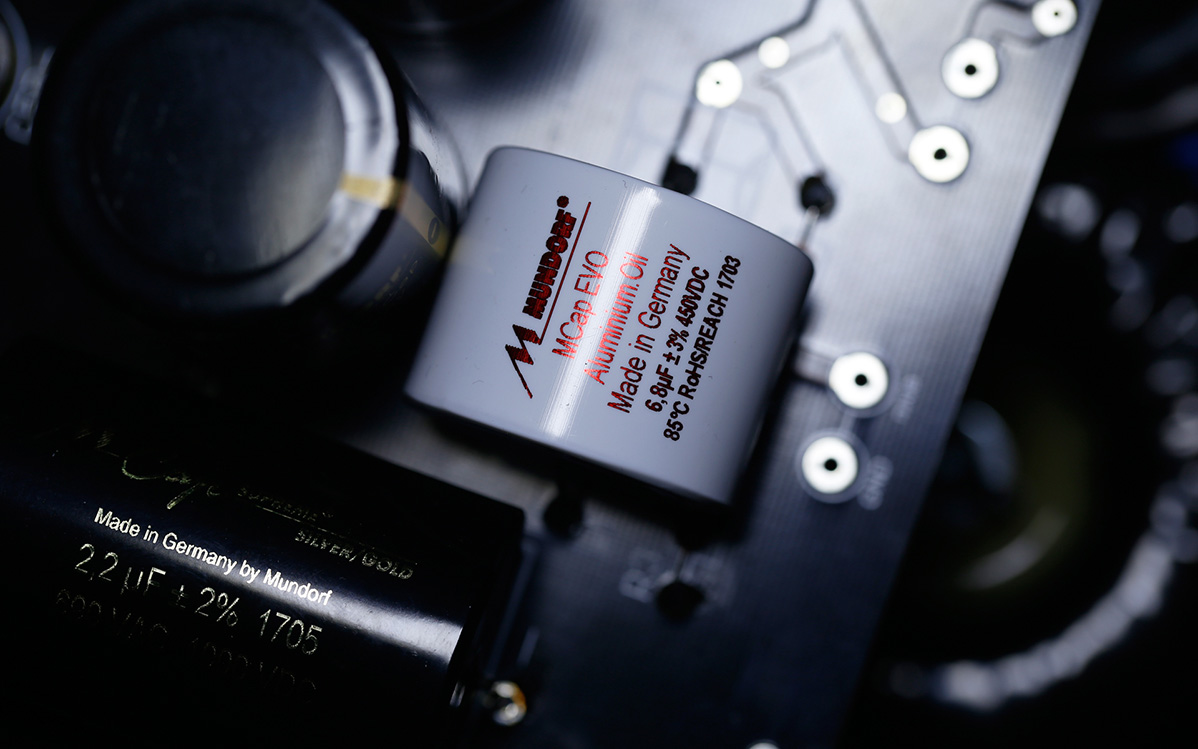
The final major leap are the tube heaters - via low-noise SMPS whilst everything else powers off two custom-made toroidal transformers (one for digital, one for analog) and a number of chokes by Polish iron guru Leszek Ogonowski. Finally, top-line Mundorf capacitors are the usual suspects. In use, the Pacific proved stable as a rock. When fed via USB or RJ-45 (I only used these two), it worked as reliably as my Golden Gate though it can handle tasks related to non-music media without any adjustments. The Golden Gate forces me to reset my laptop each and every time when I do web-based casual listening. That's a quirk I've gotten used to. But the latest LampizatOr is much easier to use. Just switch digital inputs and presto. Quality of life improvement over the Golden Gate? Quite so.
|
 |
|

|

|
|
