 |
|||||||
 |
|||||||
 |
|||||||
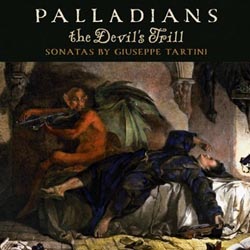
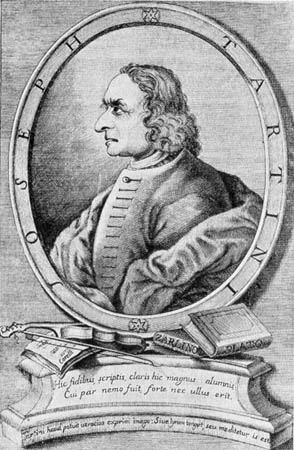
Album Title: The Devil's Trill Performers: Palladians (R. Richter, violin; S. Heinrich, viola da gamba; S. Standage, harpsichord; W. Carter, arch lute, baroque guitar) Label and #: Linn Records SACD CKD292 (also available as FLAC, WMA and MP3 downloads) Running time: 61'23" Recorded: St Andrew's Church, Toddington UK, Nov. 6th to 8th, 2006 When thinking about Baroque violin, Vivaldi usually comes to mind first but Giuseppe Tartini (1692-1770) never follows far behind. Both left behind a rich legacy of violin compositions yet Tartini even more than Vivaldi championed the development of a new kind of virtuosity that had more to do with expressivity than technique. He therefore regarded as one of the greatest violinists of the 18th century. |
|||||||
 |
|||||||
|
|
|||||||
| The same magic happens again in Dido Abandoned perhaps to an even greater degree. The sonata depicts Dido's emotional descent after Aeneas left her, first into melancholy and memory, then fury and anger, finally despair and depression heralding an imminent suicide. This study in psychological colors and how to translate them to music is in my opinion Tartini's true masterpiece. The Palladians certainly do it full justice, with Richter's warmer and more stately reading finding a material even better suited to the expressivity of his Guarneri. The Pastorale is a much lighter yet very pleasing work conjuring up memories of fields and countryside. Veracini's sonata on the other hand aptly demonstrates the lust for stratospheric agility and bravura heights that characterizes this other composer and virtuoso who influenced Tartini's technique so deeply. It also serves as a great counterpoint to show that Tartini never really succumbed to the easy appeal of ever increasing flamboyance, preferring instead to focus on emotions and internal landscapes. Although he is most known for the finger-twitching Trill, his inner inclinations leaned more toward the pained Dido than the Devil. Once more very well served by Linn's impeccable recording quality and respect for timbres and space, the Palladians with Rodolpho Richter have delivered a superb and revelatory read of those essential Baroque pieces. Highly recommended, whether you are well versed in this period already and in search for new insight into Tartini's compositions; or simply looking to explore what lies beyond Vivaldi and his Four Seasons. |
|||||||
 |
|||||||
 |
|||||||
 |
|||||||