 |
|||||||||||||
From Mike Healey, we present you with one hardware choice and five CDs each for adults and children. Starting with the parents' music, we give you Pierre Laurent Aimard Live at Carnegie Hall; Led Zeppelin How The West Was Won; Ulali Mahk Jchi; Neil Young On The Beach; and Ellington/Mingus/Roach Money Jungle. |
|||||||||||||
 |
 |
||||||||||||
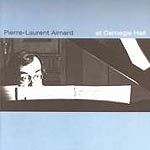
| Pierre Laurent Aimard's Live at Carnegie Hall [WEA 43088, 2001] gets my vote for the one recording to keep in a time capsule. Aimard's approach to these pianistic works is contemporary without insulting the listener by either being too obtuse or dumbing down the music. The varied program includes the music of Berg, Beethoven, Liszt, Debussy, Messiaen and Ligeti. The recording is live but that's hardly a drawback for a performance this thrilling! |
|||||||||||||
|
Led Zeppelin's How The West Was Won [Atlantic 83587, 2003] could be considered for fans only - or for fans of live recordings. But to me, the mix and mastering are more than good enough. The hallmark of this recording? It captures performances of the band at their technical best; the energy on these three discs is incredible! While the packaging is skimpy, the chance to hear this supergroup pound out heavy Rock and Roll should not be missed! |
|||||||||||||
 |
|||||||||||||
| Ulali's Mahk Jchi [Thrush Records, 1996]is a fusion of gospel and Native American singing that's not only a histrionic delight but may also leave you in tears. Featuring Tuscarorans Pura Fe and Jennifer and Apache/Mayan Soni, Ulali (meaning "songbird") creates music that is both thought-provoking and fun. |  |
||||||||||||
Their voices can also be heard on the soundtrack to the Turner documentary series "The Native Americans," the Robbie Robertson album Robbie Robertson and the Red Road Ensemble and even make an appearance on Srajan's copy of 1Giant Leap. The only drawback is the recording, which sounds muffled - but even that cannot stop the beautiful singing voices of Ulali from lifting up your spirit! |
|||||||||||||
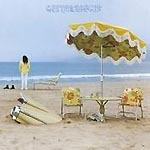 |
Neil Young's On The Beach [Warner Brothers 48497, 2003] sports less-than-perfect recording quality but rocks - which is the main appeal of this album. It's positioned at the definitive end of the Hippie era and attacks corporate greed, wanton technology and crimes against the earth. Of course that was 30 years ago and we've made great strides since - just ask our U.S. President. |
||||||||||||
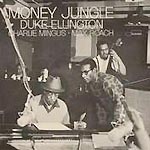
Ellington/Mingus/Roach's Money Jungle [Blue Note 38227, 2002]? Oh my, what have I been listening to? Mingus as an angry young cur; Ellington tripping out across time and space; Max Roach beating the hot metal of this power trio into a beautiful sculpture. Recording quality is good, although the bass can sound dangerously thin and relentless. This won't be to everyone's tastes, but it is certainly a very important legacy of a crazy experiment in jazz music. |
 |
||||||||||||
For those with budding audiophiles who wish to instill an appreciation for music in their progeny, we give you Joanne Shenandoah All Spirits Sing; Peter Paul & Mary In Concert ; Ella Fitzgerald The Complete Ella in Berlin; Gemini and the Phoenix Ensemble The Orchestra is Here to Play; and Triona and Maighread Ni Dhomhnaill Idir an Da Sholas (Between the Two Lights). |
|||||||||||||
 |
Joanne Shenandoah All Spirits Sing [Rhino 72747, 1997] features lovely singing and a sweet story about finding one's voice and the people who help you on your life's journey. Recording quality is very good. |
||||||||||||
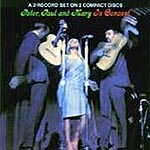
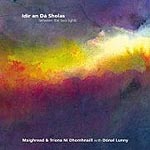
| Peter Paul & Mary In Concert [Warner Brothers 2-1555] - what can I say? My daughter is a folkie and PP&M beat the pants off anything by Raffi! Considering its age and the fact that it's a live performance, the recording quality is fair. Ella Fitzgerald The Complete Ella in Berlin [Polygram 519564, 1993] sports fine sonics for this remastered classic of Ella and her fellas! My daughter particularly likes the uptempo numbers although she raised an eyebrow when she first heard Ella scattin' on "How High the Moon." Gemini and the Phoenix Ensemble's The Orchestra is Here to Play makes for an excellent recording of orchestral music for children. The title song's revamping of "Popeye the Sailor Man" can wear a little thin, but the program has plenty of variety and humor for young and old listeners alike to enjoy! Triona and Maighread Ni Dhomhnaill's Idir an Da Sholas [Green Linnet 3136, 2000] features lovely singing, mostly in Irish Gaelic, by the Ni Dhomhnaill sisters, with minimal acoustic and electronic arrangements by Donal Luny who avoids the cinematic bombast of another celtic singer from the West of Ireland. This is sweet music for the family to enjoy. My daughter especially loves to listen for the cats in "Tidy Ann." One minor criticism - you'll have turn up the volume because this is a "quiet" recording. |
 |
||||||||||||
 |
|||||||||||||
 |
|||||||||||||
 |
|||||||||||||
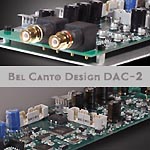
For his hardware pick of 2003, Mike presents you with the Bel Canto Design DAC-2. His comments? |
|||||||||||||
|
DAC-2, definitely! Don't let the plain Jane packaging fool you - this component can make a good digital front end sound far superior. No, it doesn't turn dog doodles into gold, but it comes more than close enough for "imported/micro-brew beer budget" audiophiles. The DAC-2's detail and presentation are revealing in the best sense of the word - like Arthur Schnabel was revealing what Beethoven might have been thinking about while composing the piano sonatas. The DAC-2 is so good that it even gives SACD a run for the money, unceremoniously shrinking the gap between the two formats. Since when have you read this many good things about a $1,200 component? I give it an A+ and gold foil star! Click here for my review, here for the company's website. |
 |
||||||||||||
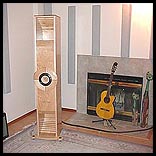
From Stephæn Harrell who was down with the flu as our deadline approached but had to make two pressing recommendations no matter what his condition, we present you with the Cain & Cain I-BEN single-driver double-horn and the BPT BP-3.5 Signature Balanced Power Conditioner. |
|||||||||||||
| Sorry for not being more loquacious on this count, folks. But seeing that I've formally reviewed these speakers for 6moons [click on image to link to review] and purchased them well before that, I feel justified in adding merely this hindsight confirmation: Twelve months later, I like them more than ever! Yes, they are a bit particular about amps and cabling, but as with a great sports car, fine-tuning pays great dividends. The BPT BP-3.5 Signature is a recent acquisition based on Srajan's enthusiastic review. We were joking about him having to eat crow if I couldn't duplicate his results in my system. |
|||||||||||||
 |
 |
||||||||||||
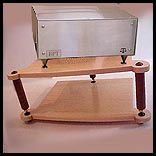
| I'm happy to say that our man in the moons still has kosher hearing and will merely share some excerpts from my own listening notes [to left BPT in mock-up skewed perspective with Terry Cain's newest amplifier stand to show off Stephaen's second new acquisition - Ed.]: The first thing I noticed, within ten seconds of turning it on, was deeper and better articulated bass. It was simply more natural, with a continuous, nearly palpable resonance starting from the notes' first rise from silence throughout the extended, life-like decay. If all that sounds too warm and cozy, think again. The BPT is no one-trick pony. "Babylon Sisters", on Steely Dan's Goucho [MCA SACD] kicked into gear with neck-snapping, percussive attacks - and not of the synthetic kind. This was quality chiropractic, delivering leading edges with essence, life and the power to heal the hunger inflicted by lesser presentations that give you only bones in a thin sonic broth. |
|||||||||||||
 |
|||||||||||||
I was next taken aback by the detailed and reverberant decay of all instruments - the notes, when appropriate, hung in there longer than ever. Inner detail was improved but never forced. Dynamics were so nimble, they could be downright scary when things went full tilt. Even if you don't regularly plumb the loudness quotient of your system -- and now you'll never really need to; it's bad for you anyway -- the difference between ppp and fff may astonish those who thought their system had this parameter under control. The Sig allowed my system to show off other qualities that had been veiled. As an example, never had my system sounded so exceptionally well-paced. The tempo of familiar tunes may surprise you, too. Things become slower and faster than you previously experienced. Once you hear those tunes properly paced, you'll understand and appreciate the deeper meaning of every piece to which you listen. On Stefanovski and Tadic's Krushevo [m.a. recordings 44A], the medium-paced strum of the acoustic guitars was revelatory in its authenticity. I was there? They were here? Who cares - it was as close to real as I'd heard (absent performers in a live venue). Articulation of dynamics and tempi; image mass, saturation and dimensionality... those are key elements I come back to each time I give things a spin with the BPT in the system. Still, after extended listening, those words already have become understatements. I don't know how else to put it, but at volumes high and low, the numerous sonic characteristics are never intrusive. The BPT-driven system doesn't demand your attention, it invites it. And, given the 30-day money back trial period, you've got very little to lose. I strongly urge you to accept the invitation! [Phew! I'm thrilled to hear Stephæn won't send a teenage Ninja turtle my way to slap me around and demand a refund - Ed.] |
|||||||||||||
 |
 |
||||||||||||
 |
|||||||||||||