|
This review page is supported in part by the sponsors whose ad banners are displayed below
|
|||||||||||||||||
 |
|||||||||||||||||
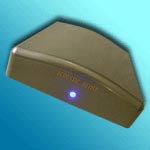
| I remember scoffing at the initial glowing reports on Acoustic Revive's RR-77 ultra low frequency pulse generator. That is, until I borrowed one from Toronto-based dealer Applause Audio. Let's just say that all Rob got back from me was my credit card. Frankly, I'm astonished by the enhancement the RR-77 brought to my enjoyment of music. Everyone from my youngest son to the prickliest EE type I know have all heard the same sort of overall improvement. 6moons alumni Jeff Day nailed it when he formally reviewed the RR-77. With the RR-77 I hear greater spatial resolution, presence and coherence plus a lower noise floor. I also note less of an artificial or electronic presentation to playback. Everything seems more natural and real. Still, I don't understand how the RR-77 generates a 7.83Hz pulse and how that supposedly shields a system and room from RFI. |
|||||||||||||||||
 |
|||||||||||||||||
| An industry colleague of mine who comes from a strong background in electronic engineering and designs/builds a broad range of audio components took my unit apart to examine it. He then proceeded to ridicule it, especially the cost. "Paul, there's nothing in here except about $10 of parts. All I see is a power supply and oscillator for a LED." However, upon closer examination there is what appears to be a considerably larger version of the type of antenna you might find inside a cell phone. Perhaps that generates the signal? Being a somewhat wily character, I had this audio designer listen before cracking the gizmo open. He was at a loss to explain how it works and try as he might, he couldn't take back his initial positive reaction. I am not so sure he would have admitted to hearing any difference had he disassembled it prior to listening. |
|||||||||||||||||
|
| |||||||||||||||||
As always, every system is different and I recommend borrowing a RR-77 from a dealer where possible. For someone who generally despises most of the tweaks that continue to flood the market every year, the RR-77 is by far the most impressive one I have tried to date. But most of all, it has indeed enhanced my overall enjoyment of the music which is saying a lot as most tweaks usually just change the sound and not necessarily to the benefit of the tunes. |
|||||||||||||||||
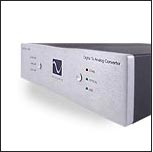
| I continue to remain unconvinced thus far by computer-based audio. Until the user interface, complexity, download bandwidth and inherent noise of computer-based systems are addressed; I will stick to my CDs and LPs thank you very much. Moreover, I have the distinct feeling of déjà vu all over again as many people rushing headlong into this promising field claim fantastic sound quality just as many did when CD burst upon the scene over twenty years ago. Based on my experience thus far, the sound quality still has a long way to go. It's more of a convenience thing to me. If someone can take the interface of something like the Sooloos, allow third-party storage options, web streaming all with decent sound quality and sell it for considerably less than the $10,000 of the Sooloos; I'll be there with cheque book in hand. I don't disagree that the future is down this road. It's just not fully paved yet. Having said that, I draw considerable pleasure listening to web radio stations via my laptop PC and Cullen Circuits' hot-rodded PS Audio DL III DAC. |
|||||||||||||||||
 |
|||||||||||||||||
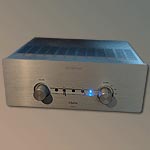 |
It's not often that I revisit components I have reviewed but an experience this past summer precipitated some further thoughts on the Audiomat Opéra Référence integrated amp I covered back in 2007. While in Montreal for business, I spent a glorious evening at distributor Pascal Ravach's home. While our conversation rarely touched upon anything related to audio, we listened to Pascal's system (Audiomat Opéra Référence, Actinote cabling, Audiomat Maestro Référence, CEC TL0X & Duevel Venus). I was stunned by how good this system played music. Forget crap like bass, soundstaging and all that. This rig simply vanished and got me closer to the musical intent than just about every system I have heard including those in the 6-figure bracket. Clarity, purity, texture, simplicity, passion and elegance are words that came to mind. While this amp is a terrific addition to Paul's | ||||||||||||||||
| Decompression Chamber and has provided many hours of bliss, I became painfully aware at Pascal's home about just how much untapped potential resides within my current system. That will no doubt change as funds permit. I'm just happy that I finally know what I want. That's not to say that you should want it too. Which is why I suggest seeking out these firms' products and having a listen yourself. Incidentally, a good portion of what I heard can be had at significantly lower cost from those brands. | |||||||||||||||||
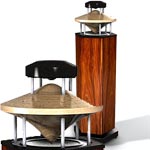
Regarding Duevel, I have listened to their Venus loudspeaker on a couple of occasions this past year prior to my visit with Pascal. The Venus offers excellent imaging and transparency married to an absolutely lovely, full, rich and voluptuous midrange. I noted little of the phasey, overly reverberant sound field of other multidirectional speakers. The wee Planets I covered earlier in the year give you a good sense of this but their big brothers deliver a whole lot more. |
|||||||||||||||||
 |
|||||||||||||||||
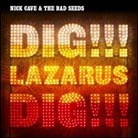
In no particular order, here's a ten-pack of discs that struck my fancy this year. Perhaps one or more of these might strike yours too: Nick Cave & the Bad Seeds: Dig Lazarus Dig It seems some of the piss and vinegar of Cave's Grinderman side project spilled over to his Bad Seeds band as Dig, Lazarus Dig certainly seems cut from the same cloth. The Seeds' last album, Abattoir Blues/The Lyre of Orpheus, was positively restrained by comparison. As with every Cave album, there is his characteristic blending of Christian religion and sex, clever word play and just plain raucous and deliciously naughty rock 'n' roll just the way the good lord intended it. |
|||||||||||||||||
 |
|||||||||||||||||
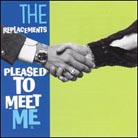
| The Replacements: Pleased to Meet Me Back in the 80s, the Replacements were my band and if I had to choose one album from that decade, it would be this one. Pleased to Meet Me defined the 80s' musically for me and was the perfect soundtrack of my misspent youth. While I saw them live on occasion, I unfortunately never attended one of their legendary drunken shows. This past year Rhino re-released the Replacements Sire catalog on CD with vastly improved sound plus the now obligatory bonus tracks. While some of the extra tracks are throwaways, there are some buried gems among 'em. I cannot think of another band that tried so hard to scuttle any chance for success. The 'Mats were the greatest band that never was. As with the Velvet Underground, they didn't sell many records but everybody who bought one started their own band. I hear the 'Mats in most of the so-called grunge bands. Kurt Cobain-titled Nirvana's now classic Nevermind album was named after the Replacements song from Pleased to Meet Me while Courtney Love reportedly moved to Minneapolis just to be near the 'Mats. Which is a little creepy when you think about it. There is a 180g vinyl re-issue of this album available too but I have not heard it - yet. |
|||||||||||||||||
 |
|||||||||||||||||
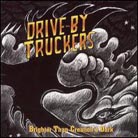
| Drive-By Truckers: Brighter Than Creations Dark Recorded on 2" analog tape by David Barbe and lovingly mastered by Greg Calbi, Brighter than Creations Dark is a fine example of how a modern rock recording should sound, be it CD or vinyl. It's a relief to hear a contemporary rock disc with actual dynamic range. Falling from a tree in the same orchard as Lynyrd Skynyrd with a little bit of the Band tossed in, these good ol' boys and gal explore southern history, folklore, politics and comment on the average Joe and Jane 6-pack trying to make ends meet south of the Mason-Dixon line in Bush America. A constant theme of all DBT albums is what lead singer/guitarist Patterson Hood calls the "duality of the Southern Thing". That is while they revel in the colorful history and lore of the south, they also don't gloss over the less than savory aspects of the past. Topics include a dealer running guns, a family man trying to hang onto what's left of the American Dream, a vet haunted by his experiences in Iraq, an alcoholic father who can't make it through the day's trials and tribulations without pounding back a few cocktails. You get the idea. They aren't always pretty stories but the songwriting and music are terrific. One of the better straight-ahead rock recordings I heard this year. |
|||||||||||||||||
 |
|||||||||||||||||
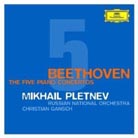
| Beethoven: Piano Concertos Mikhail Pletnev's take on Beethoven's Piano Concertos will no doubt infuriate classical music purists who listen with score and stopwatch in hand. As we live in an age where many classical music lovers demand perfection and ruthless adherence to some imaginary interpretive standard, it's refreshing to hear a musician indulge in a little interpretive freedom. Pletnev takes all sorts of twists and turns with tempo, accents and balance that make for an electric and bold yet always entertaining listening experience. I am also particularly fond of the warmish sonority of Pletnev's Blüthner. Maybe it's not a first choice if coming to these works for the first time but definitely one worth adding to the collection. |
 |
||||||||||||||||
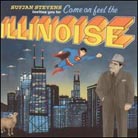
| Sufjan Stevens: Illinoise Okay, so I am three years late on this one but this is a terrific album from a truly brilliantly creative and talented mind. Stevens is currently undertaking a rather odd yet ambitious recording project. He is releasing concept albums based on the history, lore, major events and personalities of each state in the USA. Illinoise is the second release (Stevens' home state of Michigan was the first) and covers Illinois personalities ranging from serial killer John Wayne Gacy to Revolutionary War hero Casimir Polaski. The songs are consistently good with a few that are truly wonderful, particularly a haunting one about Gacy. Recorded mostly in his apartment, Stevens plays most of the instruments on this album. As folk-based as Illinoise sounds, the arrangements are far too intricate and inventive to limit them to any particular genre. Off the beaten path but rewarding upon each listen. |
|||||||||||||||||
 |
|||||||||||||||||
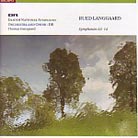
| Langgaard: Symphonies No. 12-14 Listening to Danish composer Rued Langgaard, I found if difficult to believe this music was created in the 1940s and not the 1840s, which probably explains the lack of popularity Langgaard experienced in his lifetime. Whist having many of the trappings of what was considered politically correct in his lifetime, his music definitely draws much inspiration from the likes of Wagner, Tchaikovsky and other 19th-century composers. This was completely at odds with the musical climate of the time, hence Langgaard was mostly ignored. That's too bad because his music is fascinating and actually quite humorous, with bizarre notations such as "Amok! A composer explodes", "the tired get up for life" or 'Radio-Caruso and forced energy". Picture the grand, rich sweep of Wagner, then add in a little of Mahler's angst and neurosis and I think you'll have an idea of what to expect. Recorded sound is excellent on this hybrid SACD. |
|||||||||||||||||
 |
|||||||||||||||||
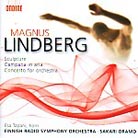
| Lindberg: Sculpture etc. While many music fans roll their eyes at what passes for contemporary classical music (a contradiction in terms if there was ever one), some of the stuff is quite good. Finnish composer Magnus Lindberg is proving to be a welcomed surprise for me. While there are certainly challenging aspects to this music, if you are coming from the tonal word of Brahms, Beethoven and Mozart, the more atonal aspects are so cleverly integrated that they make this recording a compelling and rewarding experience. Without violins in the string section and dominated by low instruments such as tubas, double bassoons and bass clarinets, the first work on this disc Sculpture was supposedly inspired by Varèse's Amériques and Frank Gehry's architecture. 'Campana in aria for horn and chamber orchestra" uses the upper register of the horn and offers a bright metallic tonal palette. According to the liner notes, the 'Concerto for orchestra' echoes bits of Carter, Bartok, Lutoslawski and even Sibelius and "...the shifting orchestral textures recall the ancient stone-paper-scissors game: each element has its antagonist, and the energy of the music is generated by their collisions'. This really is an intriguing disc and I plan to delve further into Lindberg's music. |
|||||||||||||||||
 |
|||||||||||||||||
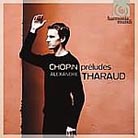
Chopin: Preludes Op. 28 French pianist Alexandre Tharaud is probably best known for his fine traversal of various Baroque composers, particularly his Couperin disc. Here he offers a grand, brooding and exciting view of Chopin's Op. 28 Preludes that might not be to all tastes. I found it deeply moving yet also invigorating with an overwhelming sense of hearing these pieces again for the first time. As with just about all Harmonia Mundi recordings, the sound is excellent. |
 |
||||||||||||||||
 |
|||||||||||||||||
Jordi Savall: The Route to the Orient I picked up this intriguing set in Milan this past summer and have been listening to it steadily since. Master violist da gamba/conductor Jordi Savall and company follow 16th century missionary Francis Xavier on his travels from Spain through the Middle East to China, India and ultimately Japan and offer us some of the music he might have heard on what must have been a tremendously challenging journey. Psaltery, violas da gamba, cornettos, bassoons and sackbuts rub shoulders with tablas, ouds, tamburas and shakuhachis in this exotic concoction of tasty aural treats. Beautifully packaged in a wonderfully realized book detailing Xavier's journey, this was one of my musical highlights of the year and a source of reflection on the value of travel. |
|||||||||||||||||
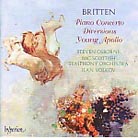
| Britten: Piano Concerto etc. This release from Hyperion includes all of Britten's works for piano and orchestra. His piano concerto will have you wonder why this work does not appear more often on concert programmes. An exciting and glittering work, Steven Osborne makes a strong case for greater acceptance of Britten's piano works with playing of great insight, passion and flair yet also with great delicacy, which is something I have noticed on other Osborne recordings, particularly his Debussy Preludes. The orchestral backing is excellent too. Accompanying the concerto is "Young Apollo", a short work Britten withdrew with little explanation, which is too bad. While it's a little monotonous, the brilliantly varying textures compensate. A long time favorite Britten work for me is the "Diversions for Piano (left hand) and Orchestra" with its bright glittering kaleidoscope of color and vitality. It is also a key work I use when evaluating audio gear, particularly loudspeakers. For getting a read on timing, coherence and intelligibility, try this. There are many complex treads running through this piece, particularly the last movement. If it comes across as a great cacophony of noise, there is a problem somewhere in your system - probably the speakers. |
|||||||||||||||||
 |
|||||||||||||||||
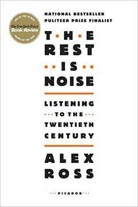 |
The Rest is Noise by Alex Ross Last but not least, I offer a terrific must read for music lovers. "The Rest Is Noise" by Alex Ross is a history of twentieth century classical music with a twist. Rather than offer an encyclopedic catalogue of personalities, dates and key works, Ross puts the lives and works of various composers into context with what was happening during this tumultuous century. As with Ken Burns' documentaries, "The Rest is Noise" is also a cultural history. Of particular note is the portion covering the period during the Third Reich where many composers and musicians suffered greatly or simply vanished via Hitler's Final Solution. Written with such passion and profundity, you get a sense that the author is no mere historian but someone who truly revels in the sheer joy of music. After reading this book, you will no doubt rush out to purchase many of the works discussed in these pages. I did. It will also change the way you listen to music. One of the best-written books I have read in quite some time. |
||||||||||||||||
 |
|||||||||||||||||
|
| |||||||||||||||||
 |
|||||||||||||||||